
Nguni Ottomans
-
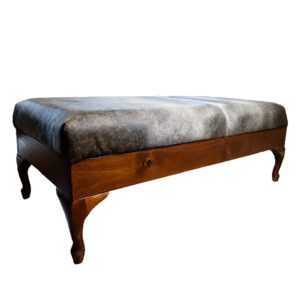
Nguni Ottoman
R6500 Select options This product has multiple variants. The options may be chosen on the product page -
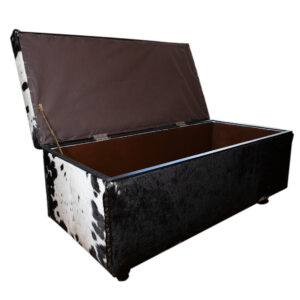
Nguni Ottoman Blanket Box
R8500 Select options This product has multiple variants. The options may be chosen on the product page
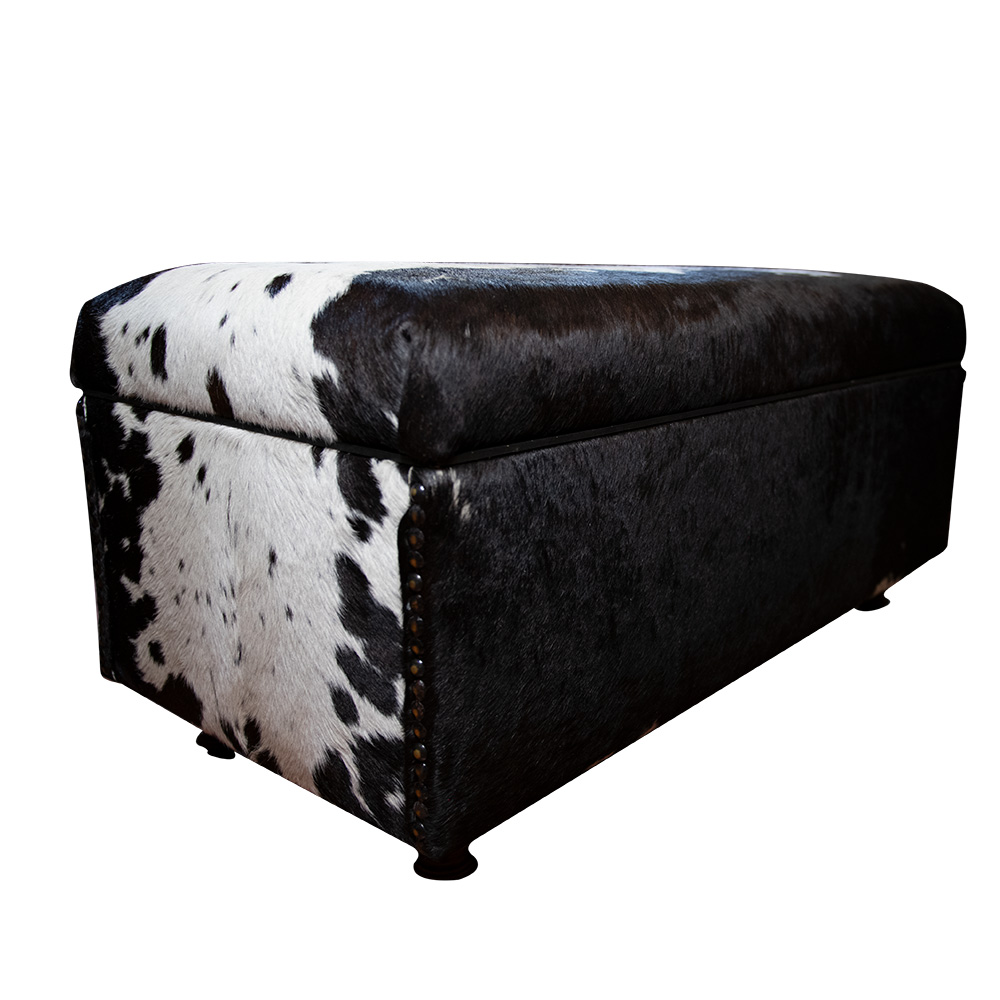
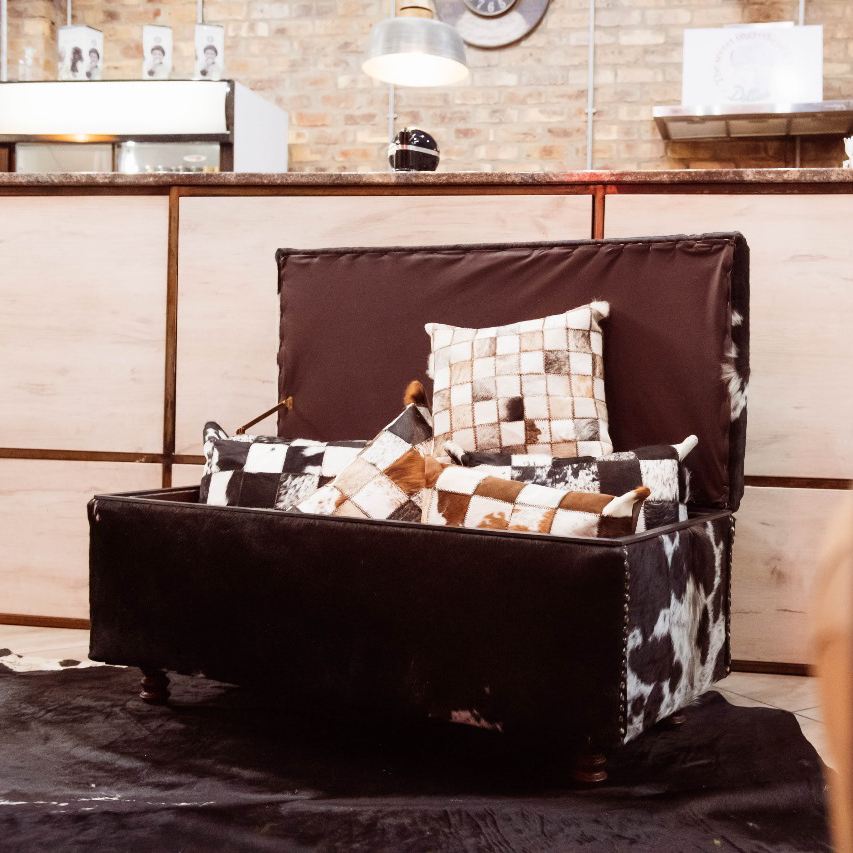
Nguni ottomans are a stunning fusion of functional furniture and natural artistry, bringing the extraordinary beauty of authentic Nguni hide into one of the most versatile pieces in any interior. Whether used as a footrest, extra seating, a coffee table surface, or a statement accent piece, a genuine Nguni ottoman delivers both practical value and unmistakable visual impact. No two are ever alike — each one upholstered in a unique hide with its own naturally occurring pattern of colours and markings.
Crafted from the hides of South Africa's indigenous Nguni cattle breed, these ottomans represent the very best of local natural materials and skilled craftsmanship. The result is a piece of furniture that is as hardwearing as it is beautiful — capable of anchoring a living room, completing a bedroom, or elevating the atmosphere of a lodge, guesthouse, or luxury commercial space. A Nguni ottoman is not simply furniture; it is a conversation piece, a design statement, and a connection to South Africa's rich agricultural and cultural heritage.
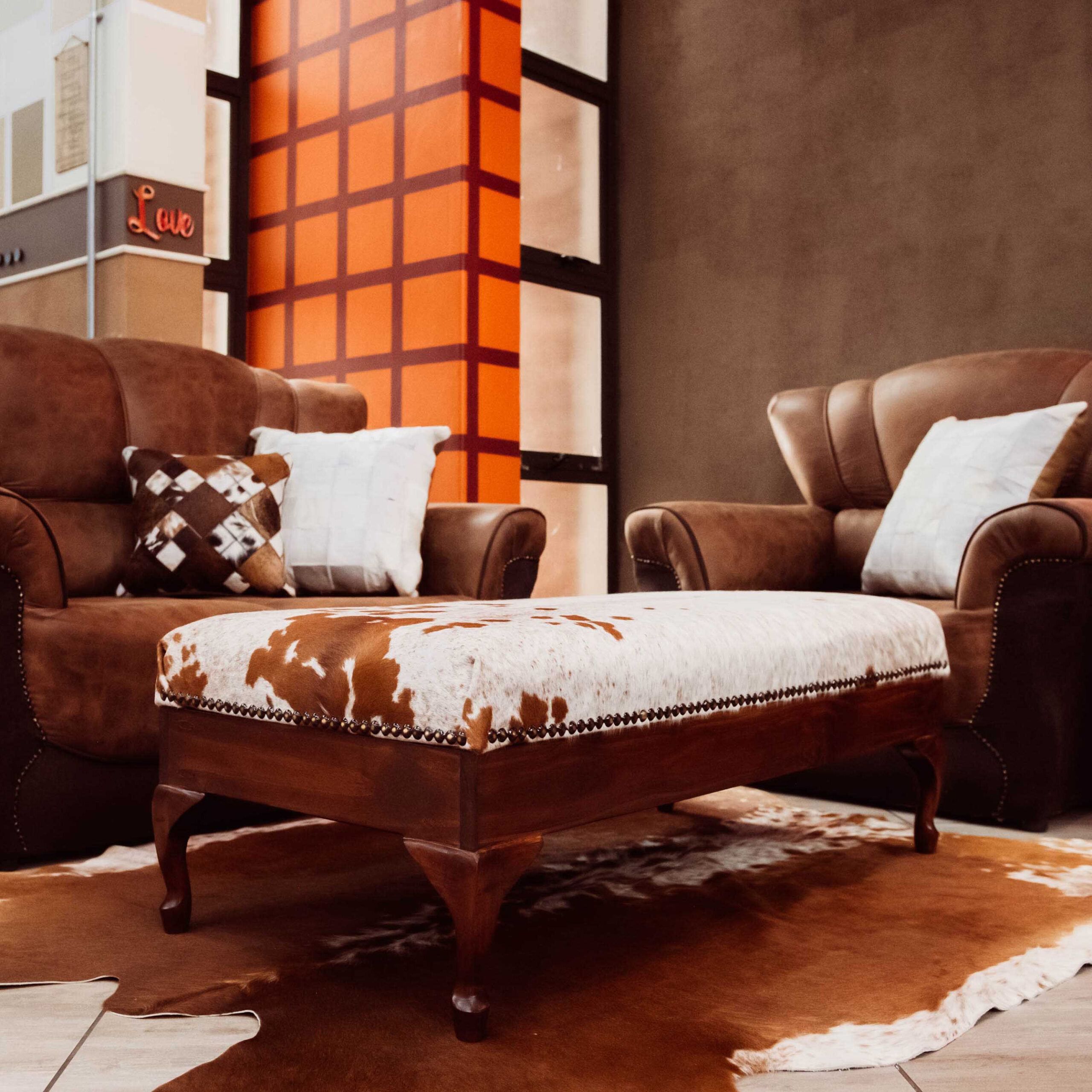
A Nguni ottoman is an upholstered footstool or seat covered in genuine Nguni cowhide — the naturally patterned hide of South Africa's indigenous Nguni cattle breed. Ottomans are one of the most versatile pieces of furniture in any home, serving equally well as a footrest, occasional seat, tray surface, or decorative accent. When upholstered in authentic Nguni hide, they become something far more than functional — each one is a unique, handcrafted piece that cannot be replicated.
Nguni ottomans are available in a range of shapes and sizes, from compact round poufs and square footstools to larger rectangular ottomans that can serve as a central coffee table in a living area. The hide used on each ottoman is entirely natural, meaning that the colour, pattern, and texture of every piece will differ — a characteristic that makes genuine Nguni ottomans so highly sought after by interior designers and homeowners alike.
The defining quality of a genuine Nguni ottoman is the hide itself. Nguni cattle produce hides with an extraordinary range of natural patterns — deep blacks, rich browns, warm tans, creamy whites, and complex brindle combinations — that result from the animal's unique genetics. Because no two animals ever produce identical hides, no two Nguni ottomans are ever the same. This natural uniqueness is something that no manufactured upholstery fabric or synthetic material can replicate.
Beyond their visual distinction, Nguni ottomans are built to last. Natural cowhide is one of the most durable upholstery materials available, resistant to everyday wear and capable of aging beautifully when properly cared for. The combination of genuine Nguni hide and quality ottoman construction produces a piece of furniture that will remain a treasured feature of your home for many years.
- Every ottoman features a completely unique, naturally occurring hide pattern
- Genuine Nguni cowhide is exceptionally durable and long-lasting
- Natural hair-on hide provides a rich, tactile texture unlike any synthetic material
- Adds authentic South African character to any interior
- Suitable for use as a footrest, extra seating, or decorative accent
- Available in a variety of shapes and sizes to suit different spaces
- A one-of-a-kind piece that cannot be found anywhere else in the world
Nguni ottomans are one of the most flexible pieces of furniture you can introduce into a home, and their natural beauty makes them effective in almost any room. Here are some of the most popular ways to use a Nguni ottoman:
- Living room footrest — paired with a sofa or armchair as a comfortable and stylish place to rest your feet
- Coffee table alternative — a larger Nguni ottoman with a tray on top serves as a striking and practical alternative to a traditional coffee table
- Bedroom accent — placed at the foot of the bed as a seat or decorative feature that adds warmth and texture to the room
- Extra seating — pulled into service when guests arrive, offering flexible and good-looking additional seating
- Hallway or entryway accent — a smaller Nguni ottoman in an entrance hall creates an immediate impression and provides a convenient seat when putting on shoes
- Reading nook companion — positioned alongside an armchair or chaise as a footrest that completes a comfortable reading corner
In lodge, guesthouse, and boutique hotel settings, Nguni ottomans are frequently used to reinforce an authentic African aesthetic throughout guest rooms, lounges, and communal areas — a role they fulfil with effortless distinction.
Nguni ottomans have a rare quality among statement furniture pieces — they are genuinely versatile across a wide range of interior design styles without ever looking out of place. Their organic patterns and natural earthy tones allow them to integrate naturally into most aesthetics, from the thoroughly contemporary to the warmly traditional.
In modern and minimalist interiors, a Nguni ottoman introduces natural texture and a powerful visual accent against clean lines, white walls, and neutral palettes. In rustic, farmhouse, or African bush-inspired spaces, it feels entirely at home alongside natural wood, stone, rattan, and leather. In eclectic and bohemian rooms, the bold natural patterning of Nguni hide adds another layer of character to a collected, curated aesthetic.
For boutique lodges, safari retreats, wine estates, and luxury hospitality venues, a Nguni ottoman is an almost essential element of an authentic South African interior — immediately recognisable and deeply appreciated by guests who understand the value of genuine natural materials and local craftsmanship.
Genuine Nguni hide is sourced as a natural by-product of South Africa's established cattle farming industry, making full use of a material that would otherwise go to waste. Rather than relying on synthetic upholstery fabrics derived from petroleum-based materials, Nguni ottomans utilise a biodegradable, natural resource that has been part of South African agricultural heritage for centuries.
The exceptional durability of natural Nguni cowhide also contributes significantly to its sustainability credentials. A well-crafted Nguni ottoman can last for decades with appropriate care, far outlasting synthetic alternatives that fade, crack, or peel over time. Investing in quality natural furniture is one of the most effective ways to make more sustainable choices in home furnishing — buying less frequently, but buying better.
Choosing the right Nguni ottoman involves considering three main factors: size and shape, hide colour and pattern, and the intended function of the piece in your space.
For a living room coffee table alternative, a larger rectangular or square ottoman works best — it provides a generous surface area and anchors the seating arrangement effectively. For a bedroom footboard seat or a reading nook companion, a medium-sized round or square ottoman is typically the most practical and proportionally pleasing choice. Smaller ottomans and poufs work beautifully as accent pieces in hallways, dressing rooms, and studies.
When it comes to hide selection, consider the dominant tones in your existing furniture and décor. High-contrast black-and-white or brindle hides make a bold statement in neutral rooms, while warmer tan and brown hides blend more softly into spaces with wooden furniture and earthy colour palettes. Because every hide is unique, the best approach is to choose the piece whose natural pattern genuinely appeals to you — you will be living with it for a long time, and it should be something you love.
Caring for a Nguni ottoman is simple and requires only occasional attention to keep it looking beautiful. For routine maintenance, a gentle brush in the direction of the hair or a light wipe with a dry cloth is all that is needed to remove dust and keep the hide looking fresh. Avoid brushing against the direction of the hair, which can cause the surface to look ruffled or uneven.
In the event of a spill, act quickly — blot the area immediately with a clean, dry cloth to absorb the liquid before it penetrates the hide. Avoid rubbing, which can spread the spill and push it deeper into the leather. If further cleaning is needed, use a slightly damp cloth and allow the hide to dry naturally at room temperature, away from direct heat or sunlight.
To keep the leather supple and prevent it from drying out, apply a quality leather conditioner periodically, particularly in dry climates or air-conditioned environments. With proper care, a genuine Nguni ottoman will age gracefully, developing a natural patina that only adds to its character and beauty over time.
When purchasing a Nguni ottoman, it is important to choose a supplier who uses genuine Nguni hide and applies the quality of construction that this exceptional material deserves. Authentic Nguni ottomans will display the natural variation in colour, pattern, and texture that is the hallmark of real hide — be cautious of synthetic or printed alternatives that imitate the appearance of Nguni patterning without the quality, durability, or authenticity of the real thing.
Browse our collection of premium Nguni ottomans and find the perfect piece for your home. Each one is a unique work of nature and craftsmanship, ready to bring warmth, character, and the timeless beauty of authentic South African Nguni hide into your interior.