
Cowhide Wall Decor: 7 Safe Steps to Hang a Nguni Hide
Cowhide wall decor turns a genuine Nguni hide into natural art while keeping its complete pattern visible. Learning how to hang a cowhide rug on a wall safely depends on the wall type, the weight and shape of the hide, and fixings that distribute support across the upper edge. This seven-step guide explains how to prepare, position, mount and care for a hide without adhesives, unnecessary stretching or rushed decisions.
Why cowhide wall decor works with a Nguni hide
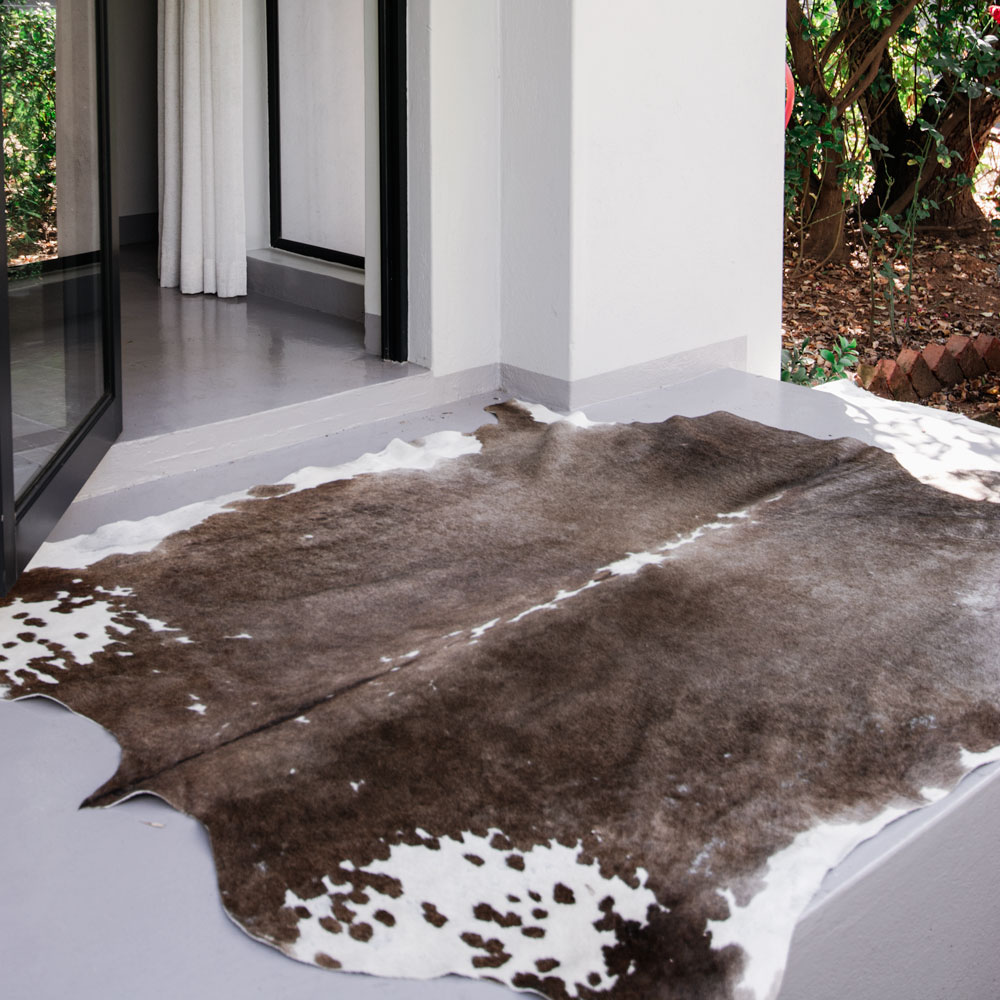
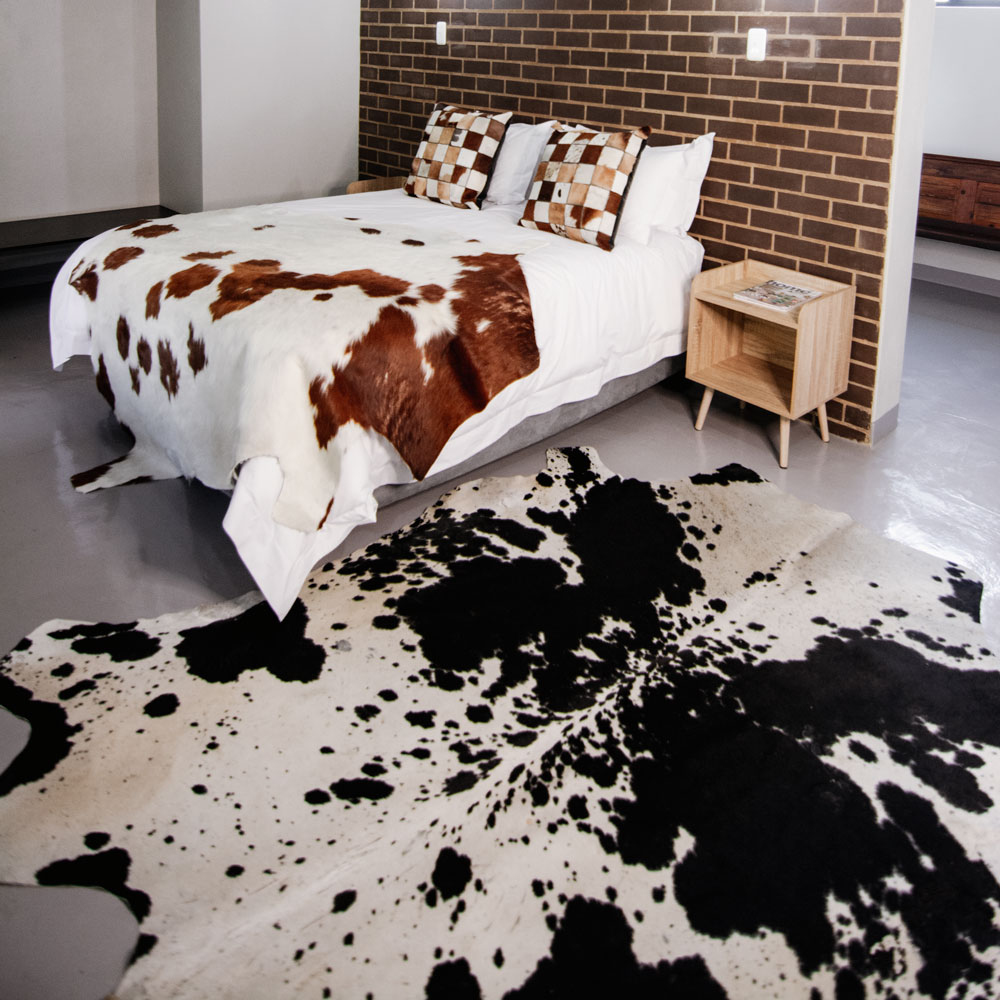
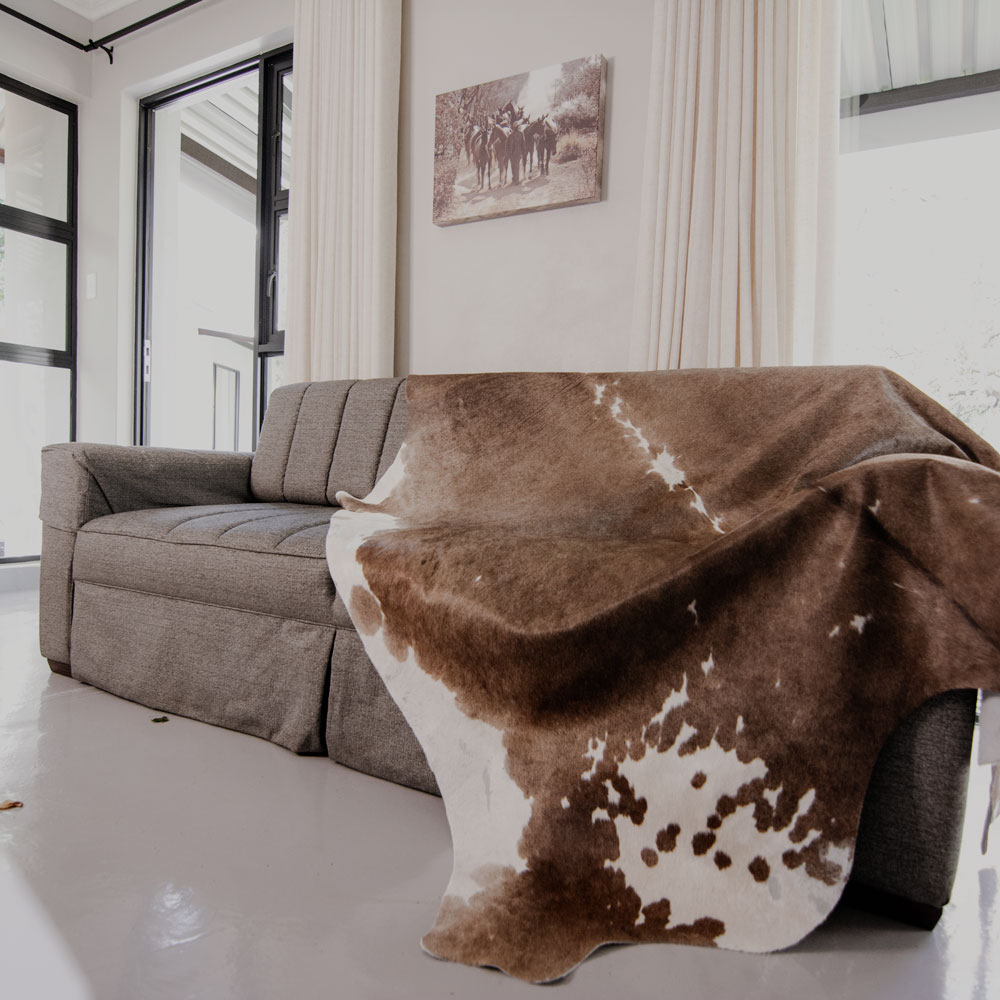
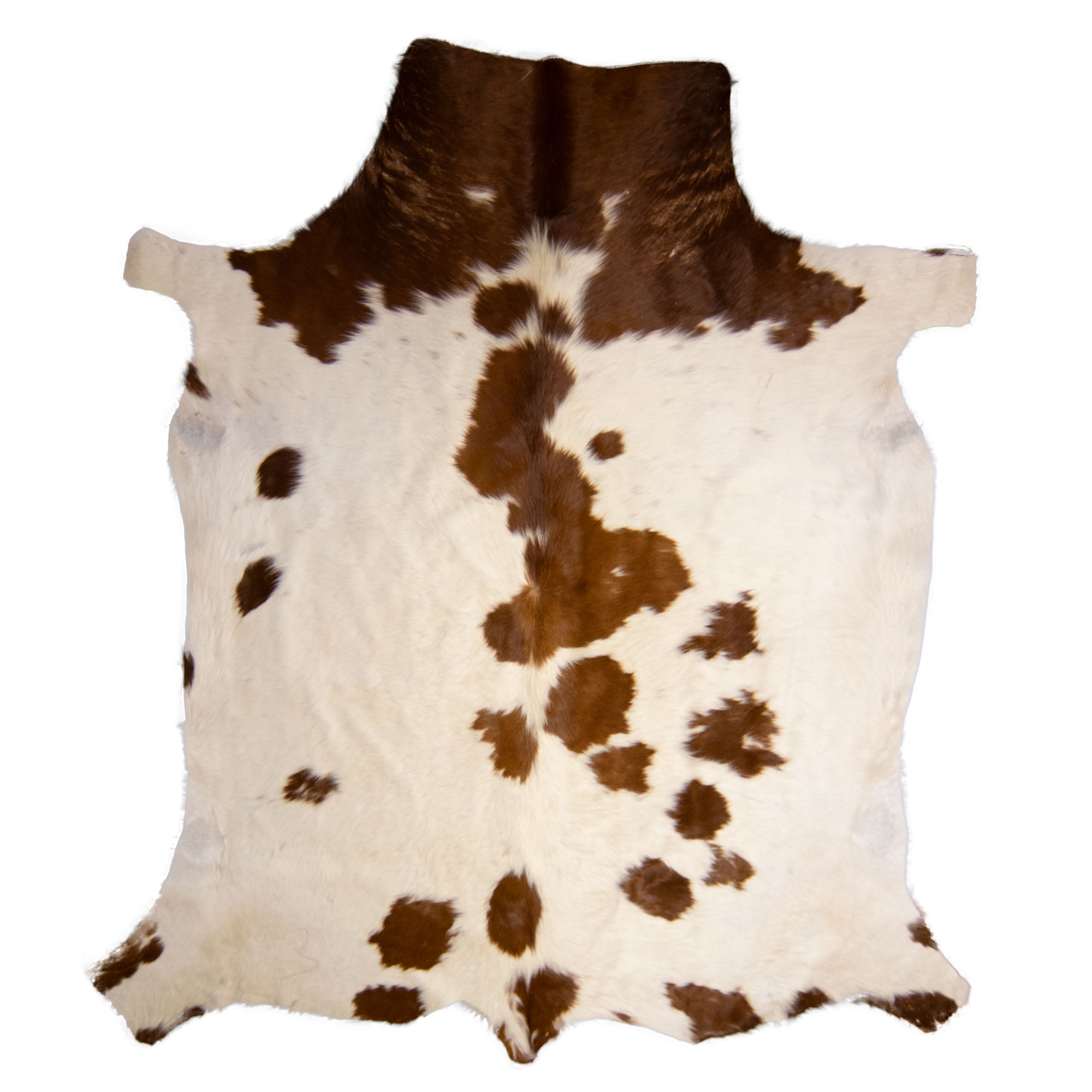
Cowhide wall decor protects the hide from foot traffic and makes the organic outline part of the room’s architecture. When deciding how to hang a cowhide rug on a wall, consider a position above a sofa, bed, staircase landing, fireplace surround or reception desk, provided the location is dry and protected from prolonged direct sunlight. Each authentic hide has different markings, so the result is closer to an original artwork than a repeated wall covering.
Before deciding how to hang a cowhide rug on a wall, confirm that the hide is genuine, clean and suitable for the available space. Our genuine Nguni hide buying guide explains the natural pattern, backing and quality details worth checking.
1. Measure the hide and the complete wall
Lay the hide flat and record its greatest height and width. Measure the usable wall between furniture, cornices, doors, windows and electrical points. Leave visible breathing room around the organic edge. A hide squeezed between frames or cupboards loses the impact that makes it special.
- Measure the hide at its widest and tallest points.
- Mark the wall centre and the intended top edge.
- Check the view from the room entrance and main seating position.
- Keep the lower edge clear of furniture that may rub against it.
- Avoid damp walls, strong heat and daily direct sun.
2. Let the hide relax before mounting
If the hide was rolled or folded, place it hair-side down on a clean surface and allow it to relax. Use clean, flat weights over a protective cotton cloth where necessary. Do not soak the leather backing or force a sharp crease. Light surface dust can be removed with a soft brush in the direction of the hair.
A practical mounting guide from Cactus Creek also recommends working with two people and using multiple small fixing points rather than expecting one hook to carry the full shape. Wall construction differs, so adapt the hardware to your surface.
3. Identify the wall material
| Wall type | What to check | Best next step |
|---|---|---|
| Drywall | Stud positions and board condition | Use suitable anchors or fix into studs where possible |
| Brick or masonry | Mortar, plaster depth and hidden services | Use masonry-rated plugs and screws |
| Timber | Board thickness and solid fixing points | Use small screws or nails with controlled depth |
| Rental wall | Lease limits and repair requirements | Ask permission and consider a removable display rail |
If you are unsure about pipes, cables, brittle plaster or the load rating of a fixing, ask an experienced installer. The goal is to support the hide without creating a safety risk or damaging the wall.
4. Make a paper positioning template
Tape sheets of paper together to represent the maximum outline. Mark the planned upper fixing points and temporarily attach the template with painter’s tape. Step back, photograph it and view the room in daylight and evening light. This is the easiest stage to adjust height, angle and centre.
The broad body may look better level, while the natural legs create asymmetry below. A careful plan for how to hang a cowhide rug on a wall should use the visual centre rather than assuming the geometric centre is correct. Rotate the template slightly and compare options before making holes.
5. Choose secure cowhide wall decor fixings
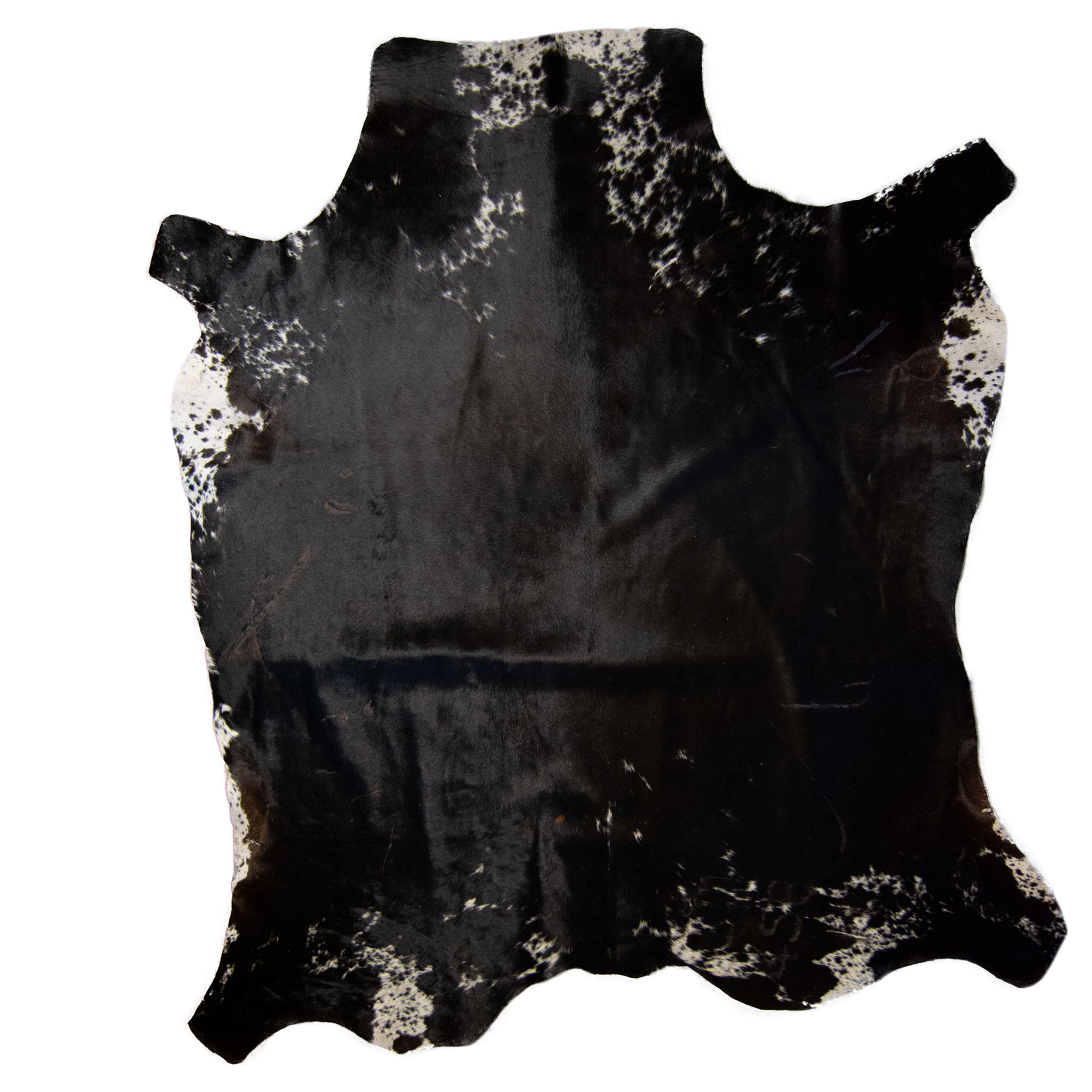
When planning how to hang a cowhide rug on a wall, avoid relying on one centre nail. Support across the upper section reduces sagging and stops the hide rotating. Small tacks or finishing nails may suit certain timber or drywall installations, while clips on a securely mounted rail can provide a lower-puncture option. Never use a strong adhesive directly on the hair or leather unless a qualified conservator recommends it for that exact material.
- Use hardware rated for the actual wall.
- Distribute support rather than concentrating the weight.
- Place fixings through strong backing areas, not weak edges.
- Keep every sharp point controlled and inaccessible.
- Test the first positions before completing the perimeter.
6. Mount from the top centre outwards
One person should hold the hide while the other works from the top centre towards each upper side. Check alignment after the first three supports. Add side supports only where needed to maintain the natural outline. The hide should lie comfortably against the wall rather than being pulled tight like synthetic fabric.
Step back after every few fixings. Correct a small rotation early instead of completing the installation and starting again. If the hide is large, unusually heavy or displayed above a walkway, use a professional installer.
7. Inspect and care for cowhide wall decor
After learning how to hang a cowhide rug on a wall and completing the mounting, check that no edge is under excessive tension and that every fixing remains secure. Dust occasionally with a soft brush or low-suction upholstery attachment, always following the hair direction. Do not saturate the surface. Our guide on how to clean Nguni rugs covers safe routine care in more detail.
Inspect the display after the first week and every few months thereafter. Seasonal humidity and wall movement can affect fixings. Address looseness immediately, especially above furniture or busy areas.
Common cowhide wall mounting mistakes
- Choosing the wall before measuring the actual hide.
- Mounting a rolled hide before it has relaxed.
- Using one hook for an irregular, flexible shape.
- Guessing what hardware suits brick, plaster or drywall.
- Stretching the leather until the natural outline distorts.
- Using direct adhesives that may mark the backing or hair.
- Ignoring heat, damp, sun and future maintenance access.
Frequently asked questions
Can you hang a genuine cowhide rug on a wall?
Yes. Cowhide wall decor works when a genuine hide is clean, supported at multiple points and mounted with hardware suited to the wall.
What is the safest way to hang a cowhide?
Measure first, identify the wall construction, use distributed supports and work with two people. Ask a professional when the wall or load is uncertain.
Will nails damage a cowhide?
Any puncture changes the backing. If small fixings are used, place them carefully through sound backing areas. A properly mounted rail and clips may offer an alternative.
Can I use adhesive strips?
Do not attach strong adhesive directly to the hide without specialist advice. Adhesives may fail under load or damage leather and hair when removed.
How do I dust a wall-mounted hide?
Use a soft brush or low-suction upholstery attachment in the direction of the hair. Avoid soaking the hide and inspect the fixings while cleaning.
Plan the display before making the first fixing
The best cowhide wall decor starts with a measured installation: flatten the hide, test the outline, understand the wall and distribute support. Take time with the top edge and allow the natural shape to remain relaxed. A carefully mounted Nguni hide can create a memorable focal point while keeping its authentic pattern visible.