
How to Clean Nguni Rugs: 9 Essential Care Tips
Knowing how to clean Nguni rugs protects their natural colour, soft hair and flexible leather backing. The safest routine is gentle: remove loose dust regularly, blot spills quickly, use very little moisture and keep harsh chemicals or heat away from the hide. This guide explains nine practical steps for full Nguni hides and blocked hair-on-hide carpets.
A genuine hide is durable, but it is not a washable synthetic rug. The hair and leather respond best to patient surface cleaning. Always follow the care instructions supplied with the specific product and ask an experienced leather or cowhide specialist about large, oily or unknown stains.
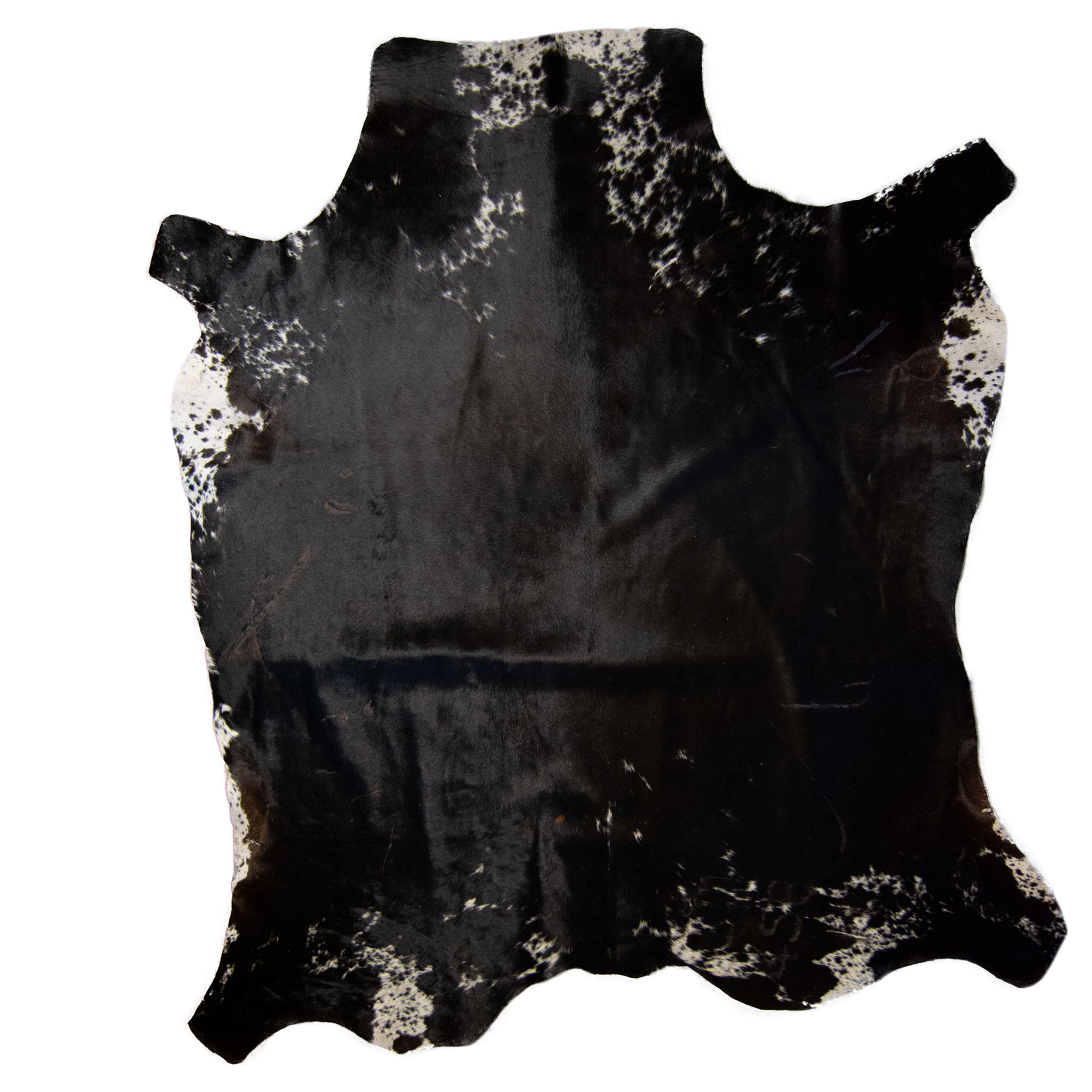
How to clean Nguni rugs in 9 safe steps
- Shake the hide outdoors to release loose dust.
- Vacuum gently with low suction and no rotating brush.
- Move in the natural direction of the hair.
- Blot spills immediately instead of rubbing them.
- Use a barely damp cloth only when necessary.
- Let the area air-dry away from direct heat.
- Rotate floor pieces to share sunlight and foot traffic.
- Keep the underside and floor completely dry.
- Call a specialist for oil, ink, mould or persistent odours.
Shake and vacuum in the direction of the hair
The foundation of how to clean Nguni rugs is regular dust removal. Take the rug outside and give it a controlled, gentle shake. This loosens grit before it settles between the hairs. For indoor maintenance, use the lowest practical vacuum setting with a plain upholstery nozzle. Switch off the beater bar or rotating brush because repeated friction can pull at the hair and mark thin edges.
Guide the nozzle with the direction of the coat rather than scrubbing backwards and forwards. Do not press hard or drag the tool across the outline. A quick light clean every week or two is usually safer than allowing grit to build up and then using aggressive suction.
Blot liquid spills immediately
When learning how to clean Nguni rugs after a spill, speed matters more than force. Place a clean white cloth or plain paper towel over the spill and press gently to absorb the liquid. Work from the outside towards the centre so the mark does not spread. Replace the cloth as it becomes wet and continue until very little moisture transfers.
If a small water-based mark remains, wipe lightly with a barely damp cloth in the direction of the hair, then blot again. Let the hide dry naturally in a ventilated room. Never use a hairdryer, heater or iron, as concentrated heat can stiffen or distort the leather.
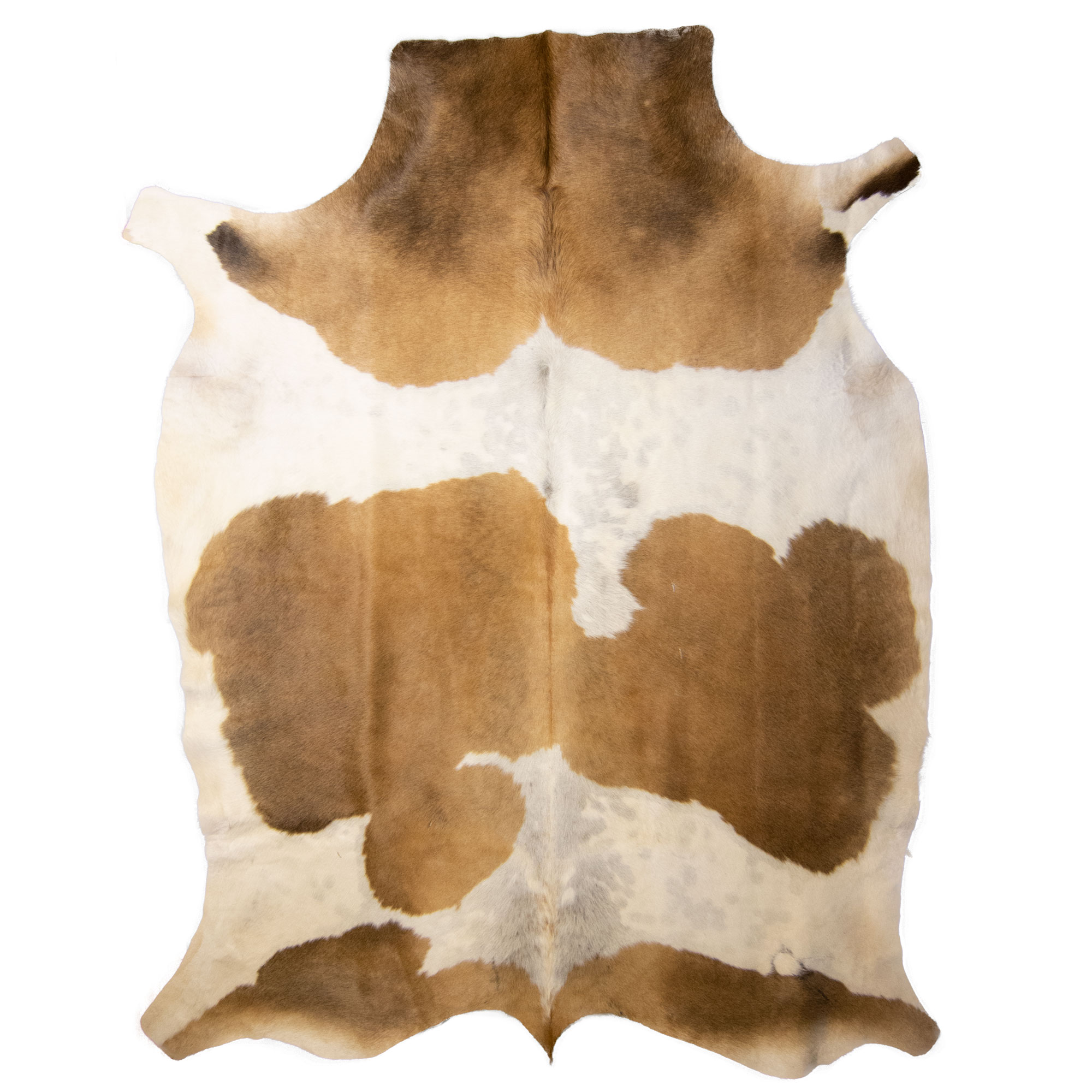
Handle mud, food and pet accidents carefully
Dried mud
Allow mud to dry completely. Lift the solids with a soft brush or the rounded edge of a spoon, taking care not to scrape the leather. Vacuum the remaining particles gently in the direction of the hair.
Food and oily marks
Remove solid material without pushing it into the coat, then blot the area. Oil, grease, ink and dye transfer can spread when treated incorrectly, so ask a professional cleaner experienced with natural cowhide before applying a household product.
Pet accidents
Blot immediately and avoid saturating the hide with fragranced sprays or ordinary carpet cleaner. If odour remains after gentle surface care and complete air-drying, seek specialist advice. Moisture trapped against the floor can affect both the leather and the flooring beneath it.
Never wash, soak or steam-clean a Nguni hide
Do not place a Nguni hide in a washing machine, immerse it in water or use a steam cleaner. Saturation can harden the backing, distort the shape and affect the hair. Avoid bleach, solvent cleaners, strong detergents, ordinary carpet shampoo and abrasive brushes.
Advice for washable rugs does not apply to natural hair-on-hide. The CTL Leather hair-on-hide maintenance guide likewise recommends careful routine cleaning and prompt attention to spills rather than soaking the material.
Protect the colour, shape and edges
South African sunlight can be intense. Rotate the rug every few months if one area receives more direct light or foot traffic. Keep it away from fireplaces, damp zones and persistent underfloor hot spots. Smooth furniture feet and occasional repositioning help prevent hard pressure marks.
If a corner begins to curl, gently reverse-roll that section for a short period. Do not iron it. On very smooth floors, a compatible non-slip underlay can reduce movement, but it should not trap moisture or leave adhesive on the leather.
Full hides and blocked carpets need the same gentle principles
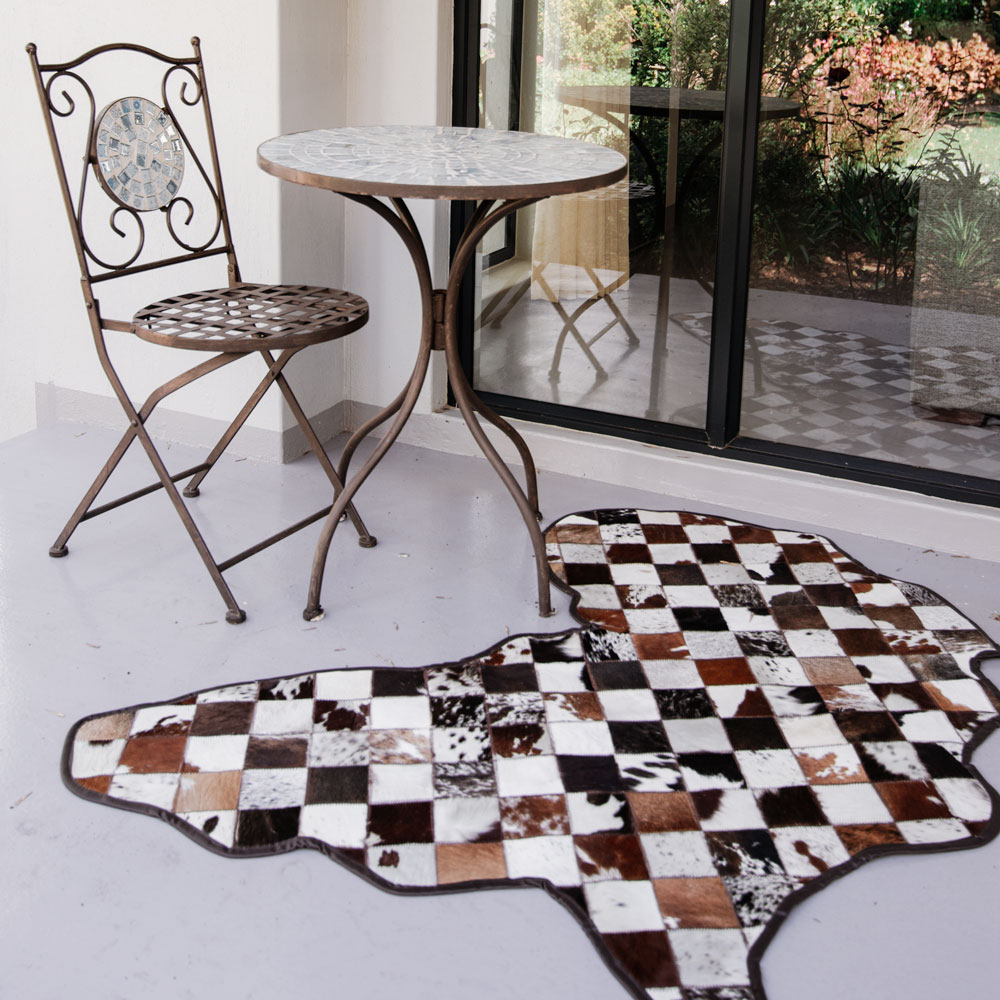
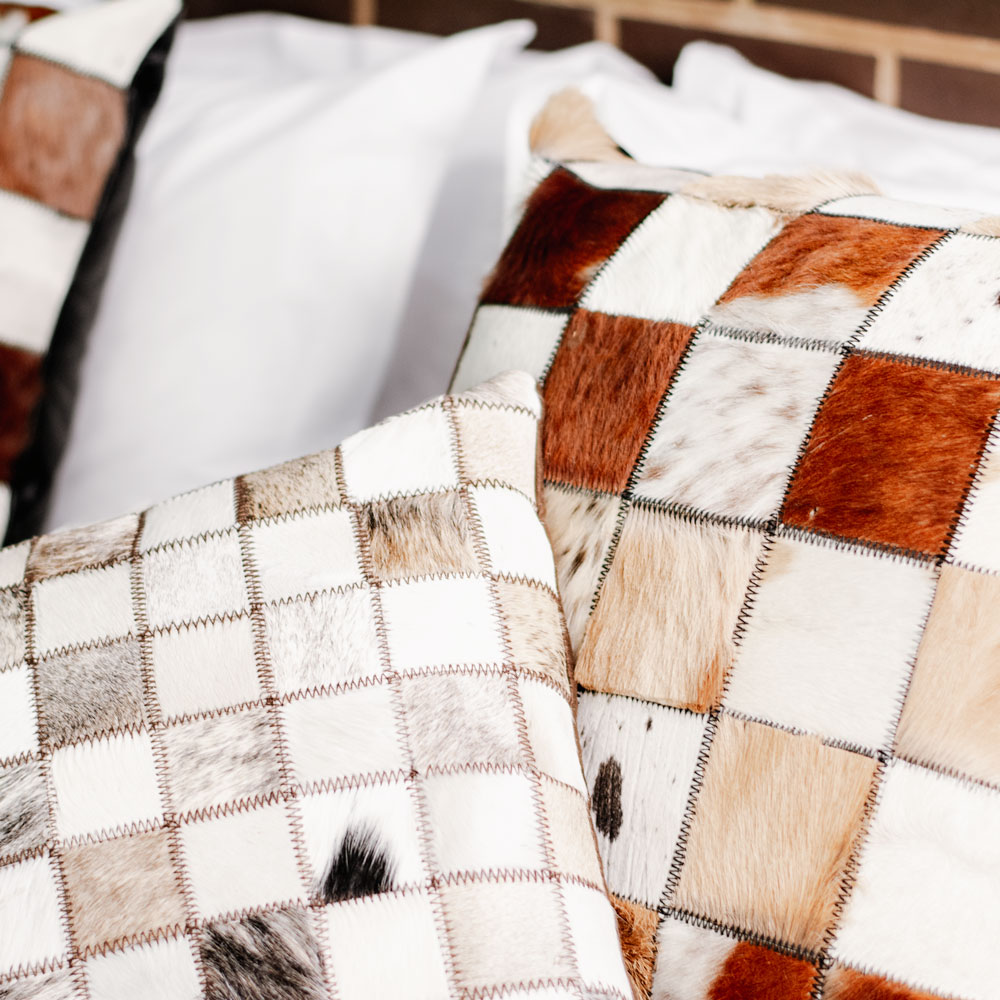
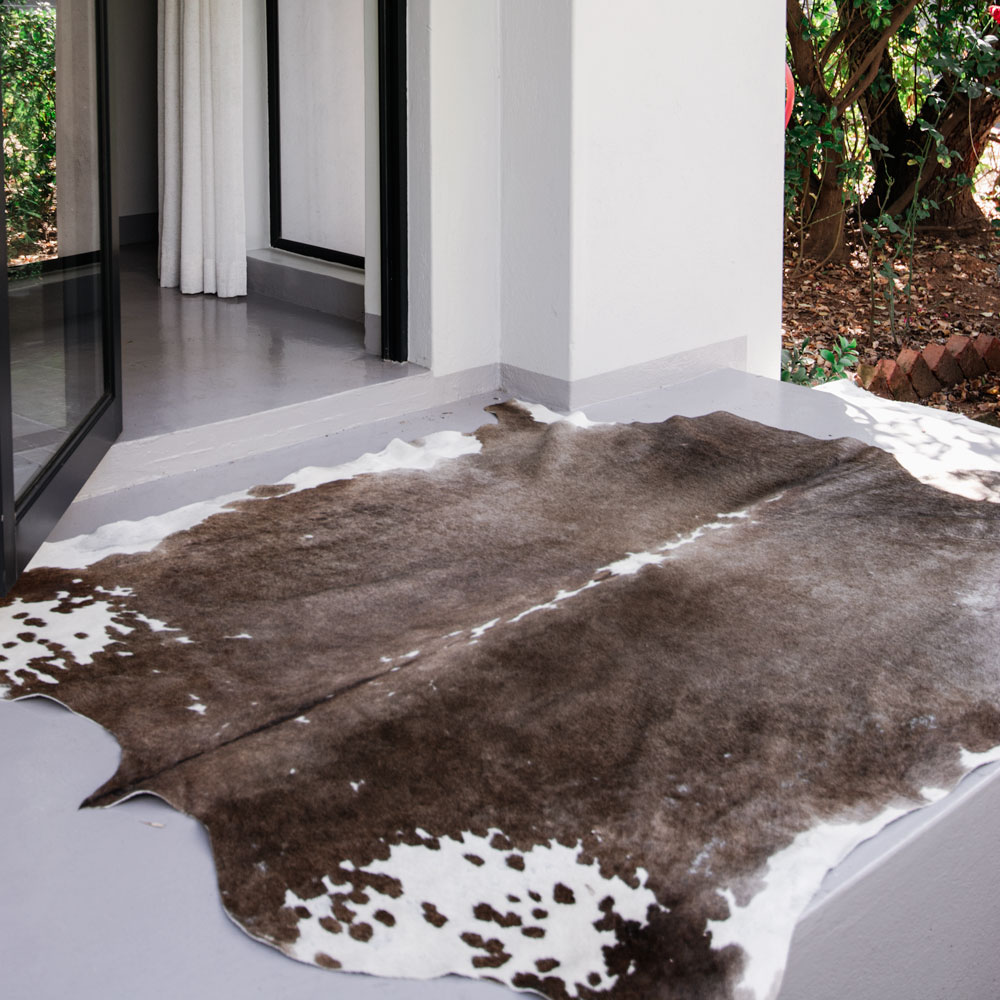
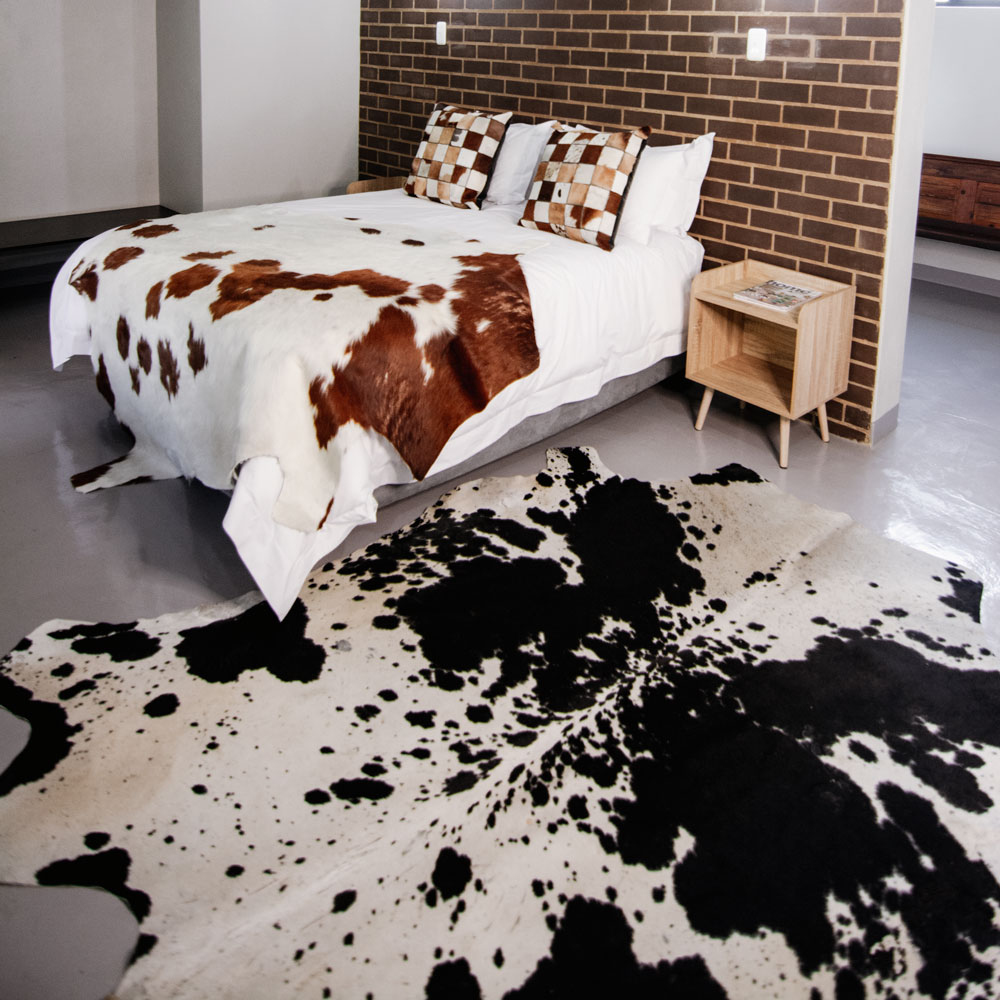
A full hide has an irregular natural outline, while a blocked carpet joins selected panels into a regular format. Both use hair-on-hide and should be cleaned with low moisture and limited friction. On a blocked carpet, pay extra attention to seams and corners; on a full hide, handle the thinner edges carefully.
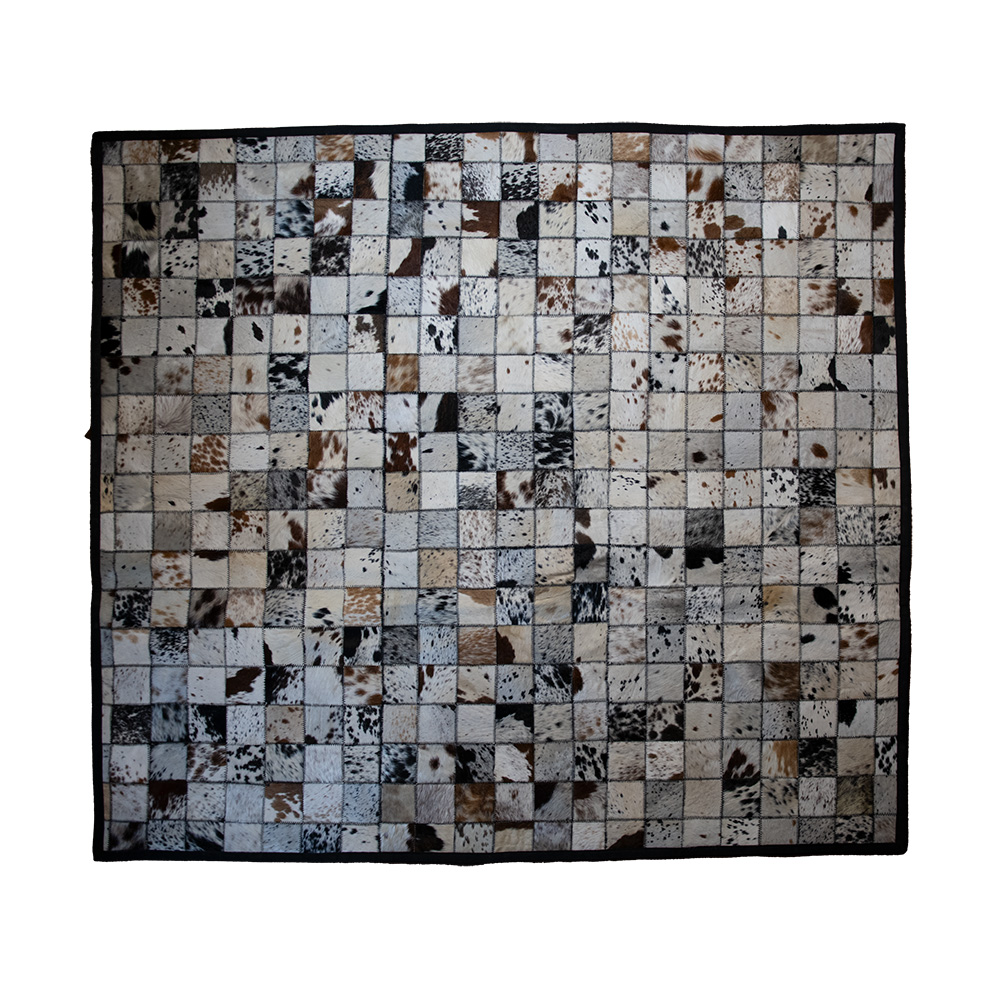
Our comparison of a cow hide rug and a blocked carpet explains the different formats. If you are still choosing a piece, read how to choose a genuine Nguni hide and browse the current Nguni hide collection.
Store a Nguni rug without folding it
Good storage is part of how to clean Nguni rugs and protect them between seasons. Clean and dry the rug completely before storage. Roll it loosely with the hair facing outward, ideally around a wide cardboard tube. Do not fold it, because a hard crease may become difficult to relax. Wrap the roll in breathable cotton rather than airtight plastic and store it horizontally in a cool, dry place.
When to call a professional
Seek professional help for large spills, oil, ink, paint, dye transfer, mould, strong odours or any mark that remains after careful blotting. Tell the cleaner that the piece is natural Nguni hair-on-hide so they can assess an appropriate low-moisture leather-cleaning method. Test any proposed treatment on a discreet edge first.
Frequently asked questions
Can you vacuum a Nguni rug?
Yes. Use low suction, switch off the rotating brush or beater bar and guide a plain nozzle gently in the direction of the hair.
Can you wash a cowhide rug in a washing machine?
No. Do not machine-wash, soak or steam-clean natural hair-on-hide. Saturation can damage the leather backing and distort the shape.
How often should a Nguni hide be cleaned?
Shake it every week or two and vacuum lightly as needed. Rotate it every few months to distribute sunlight and wear.
What should I do if the hide becomes wet?
Blot moisture promptly, keep the underside off a wet floor and allow the hide to air-dry naturally in a ventilated room away from direct heat.
Can ordinary carpet shampoo be used?
No. Strong shampoo, bleach, solvents and aggressive brushes can damage natural hair and leather. Ask a specialist about persistent stains.
A light routine keeps natural hide looking its best
The safest answer to how to clean Nguni rugs is consistent, gentle maintenance. Remove dust before it becomes grit, blot spills before they spread, avoid saturation and protect the hide from harsh heat or chemicals. With that routine, a genuine Nguni rug can remain a distinctive and hard-wearing part of the home for years.