
Cow Hide Rug vs Cow Skin Rug: What Buyers Should Know
Is a cow hide rug different from a cow skin rug, an Nguni hide or a blocked carpet? The names are often used loosely, which makes online comparison harder than it should be. The material may be similar, but construction, shape, pattern and intended placement can differ. This guide explains the terms, shows what to measure and helps you choose a genuine hide that works with the way you live.
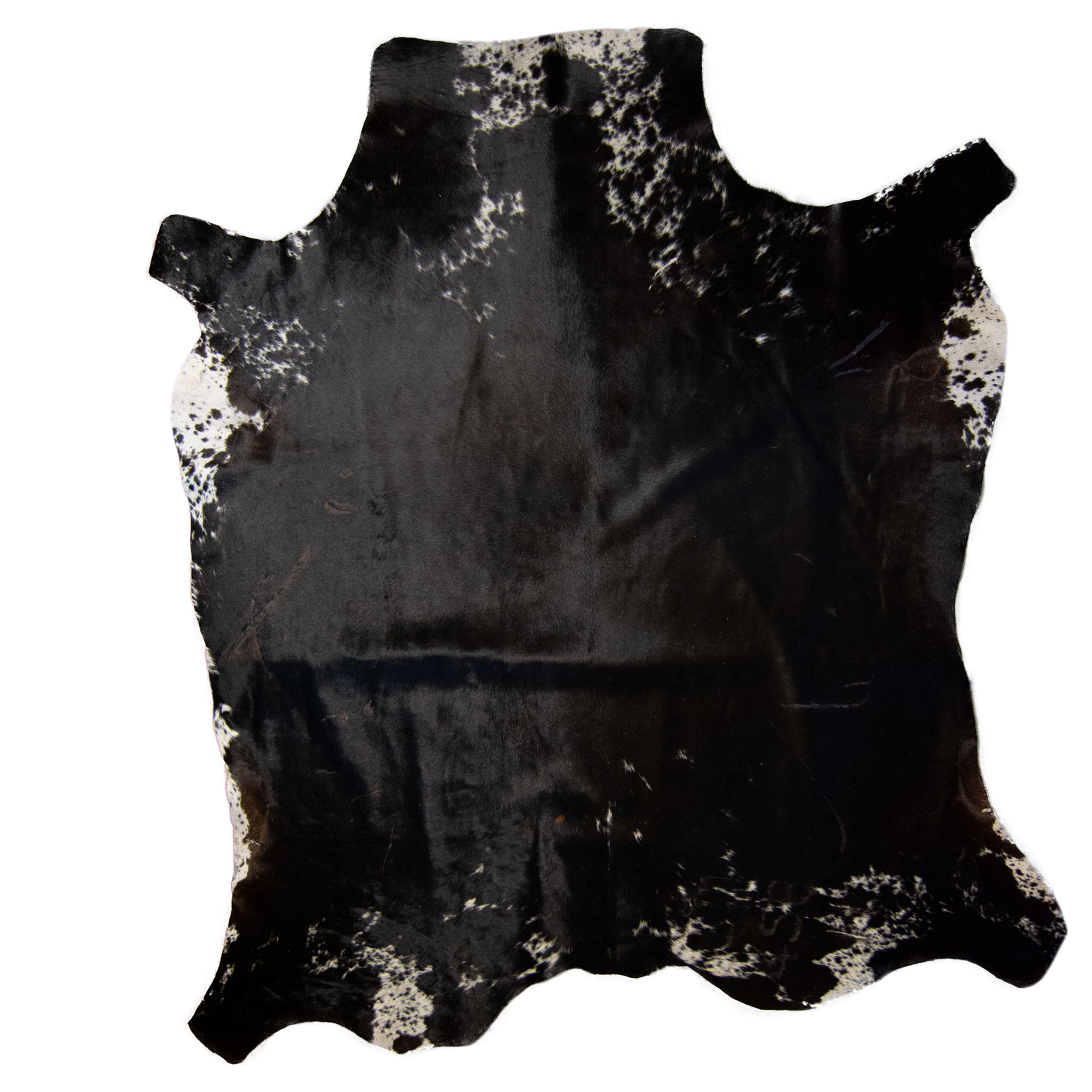
Cow hide rug, cow skin rug and Nguni hide explained
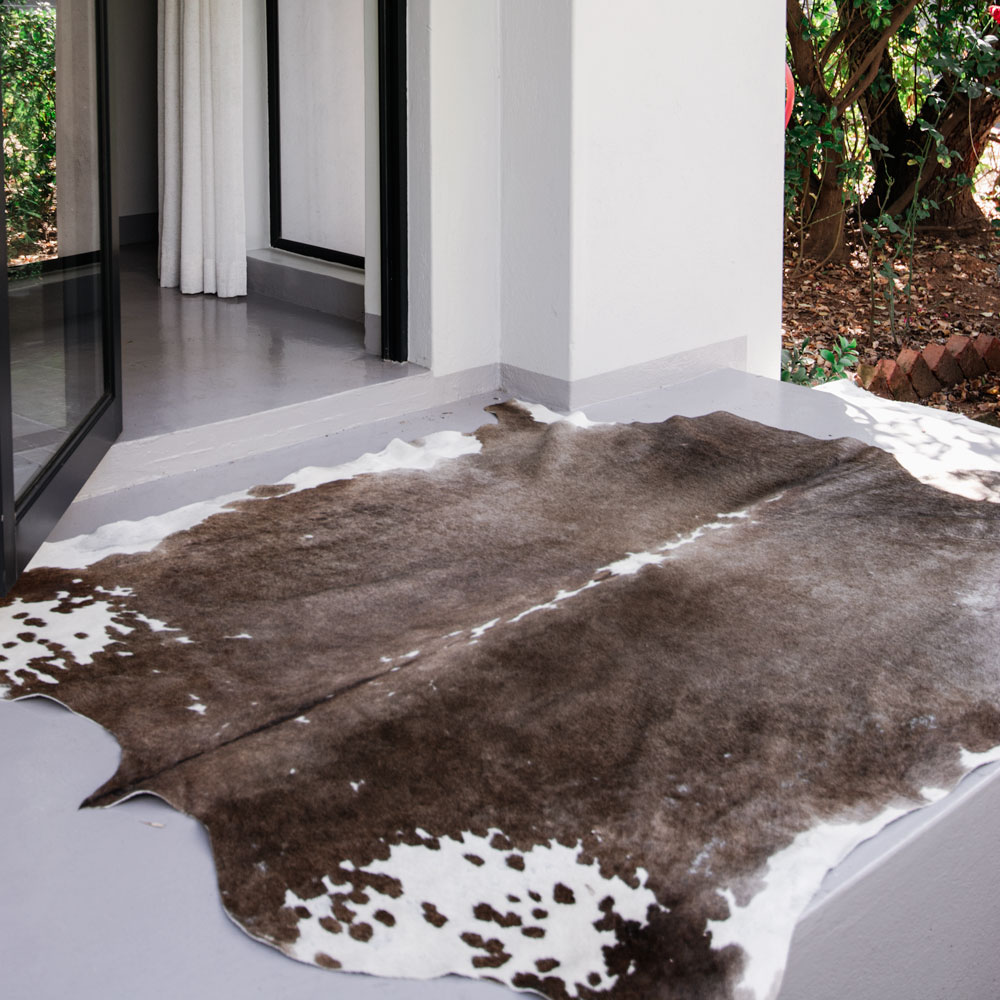
“Cow hide rug” and “cow skin rug” usually describe the same basic product: a preserved hair-on-hide used as a floor covering or decorative textile. “Nguni hide” is more specific because it identifies the hide with Nguni cattle, known for distinctive natural colour combinations and markings. In South Africa, that heritage and pattern variation are central to the appeal.
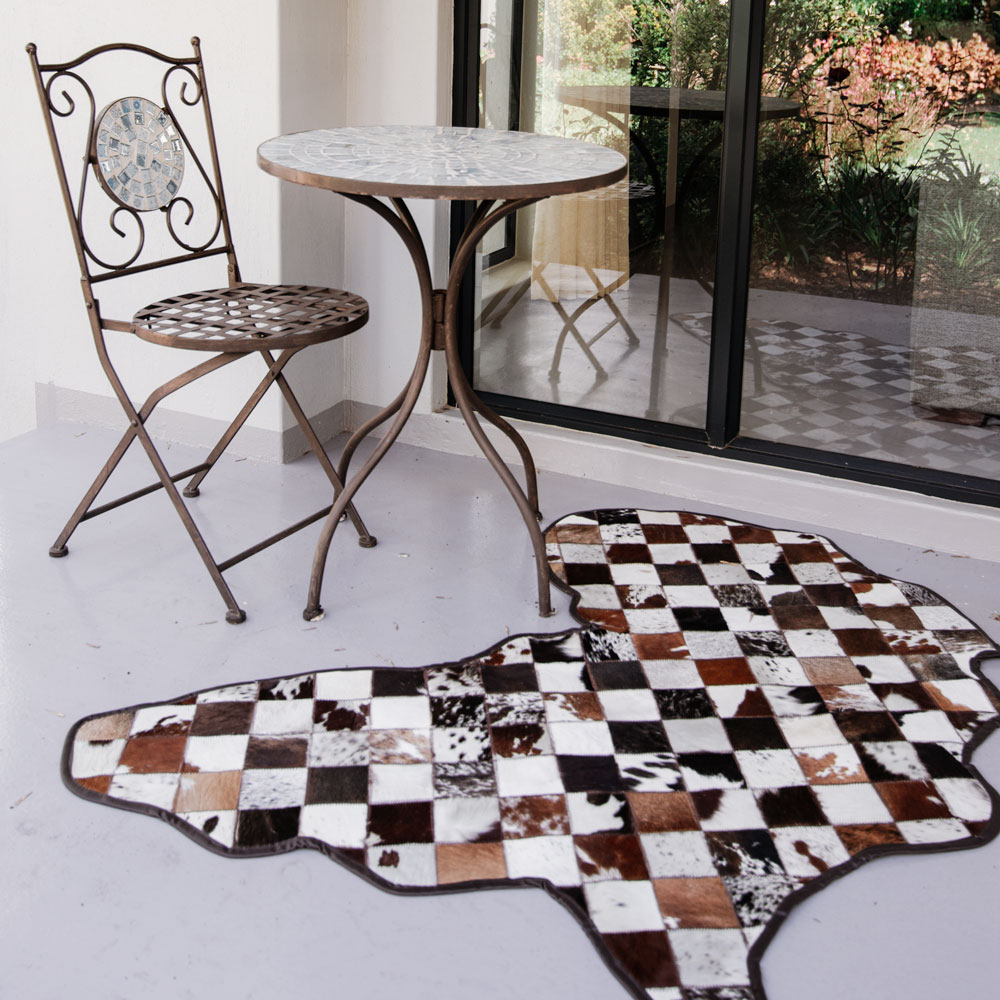
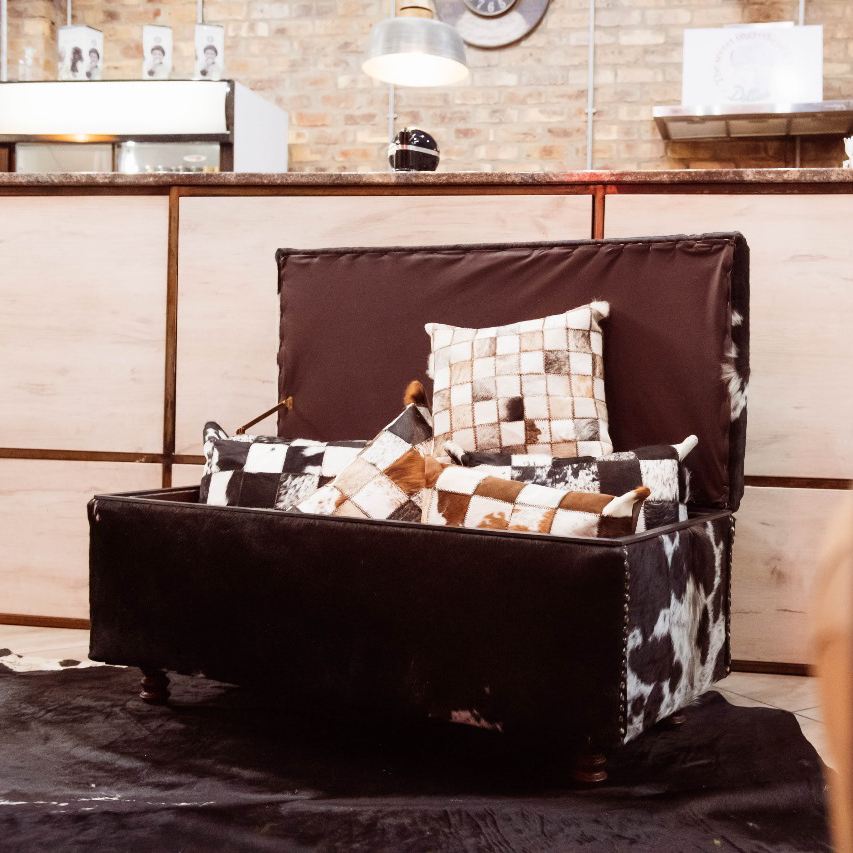
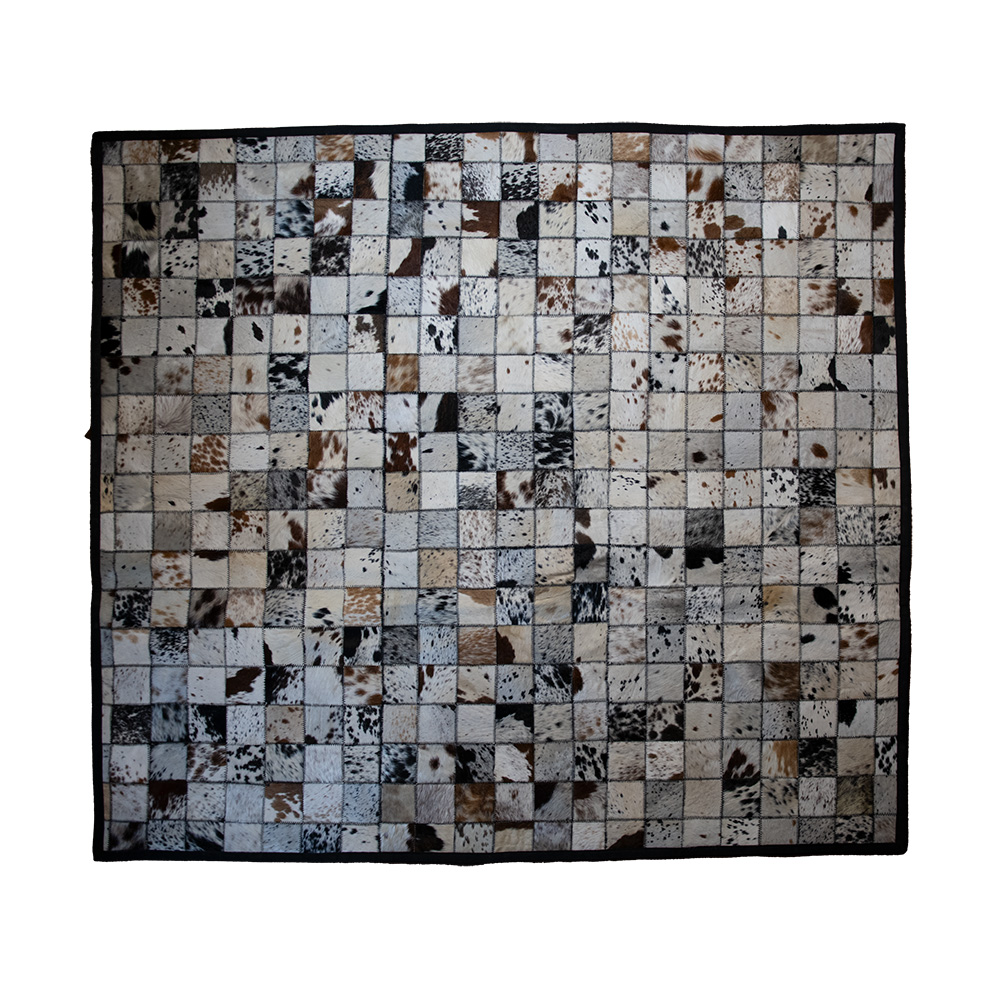
A full hide keeps the animal’s natural outline. A blocked carpet is constructed from selected hide panels joined into a regular geometric format. Both use natural hair-on-hide, but they create different visual effects and solve different layout problems.
Full hide versus blocked carpet
| Feature | Full Nguni hide | Blocked Nguni carpet |
|---|---|---|
| Shape | Natural, irregular outline | Regular rectangle or designed shape |
| Pattern | One animal’s unique markings | Selected panels arranged as a composition |
| Best use | Organic focal point and layering | Defined seating, dining or passage area |
| Measurement | Longest and widest points | Conventional length and width |
| Visual feel | Natural and sculptural | Graphic and architectural |
Choose a full hide when you want the natural silhouette to soften straight furniture lines or sit at an angle. A cow hide rug works especially well when the organic outline is part of the design. Choose a blocked carpet when the room needs a clear rectangular anchor under a coffee table, dining table or entrance arrangement. Neither is automatically better; the right option depends on the floor plan.
Measure the room, furniture and walking path
Before choosing a cow hide rug, mark the proposed footprint on the floor with painter’s tape or newspaper. For a full hide, use both the maximum length and maximum width because the narrow centre and extended legs can make the piece feel smaller or larger depending on its angle. Leave enough surrounding floor visible for the outline to read clearly.
In a living room, decide whether the hide will sit entirely in front of the sofa, partly under the front legs or beneath a coffee table. In a bedroom, test how far it should extend beside or beyond the bed. Avoid placing the narrowest points directly in the busiest walking line if they are likely to be kicked or folded repeatedly.
Choose pattern and colour in the room
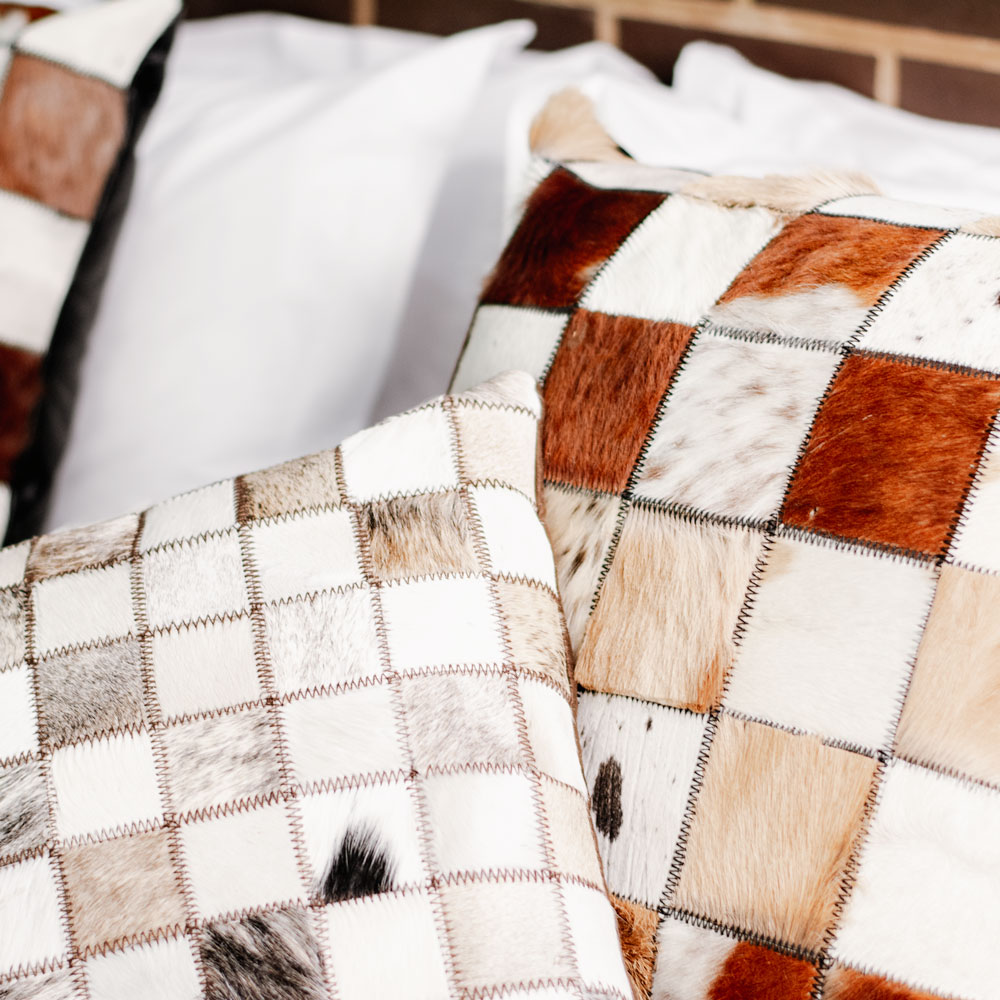
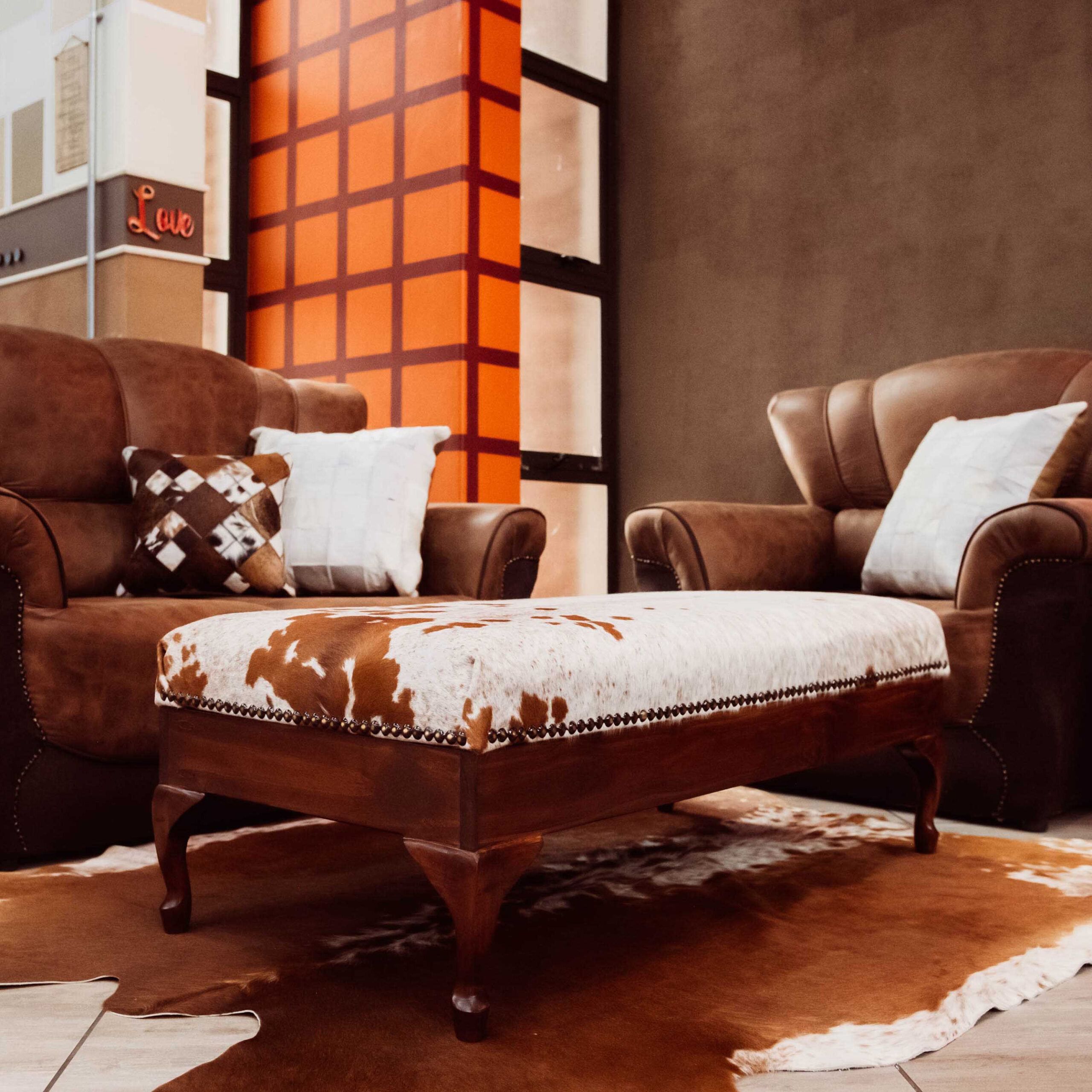
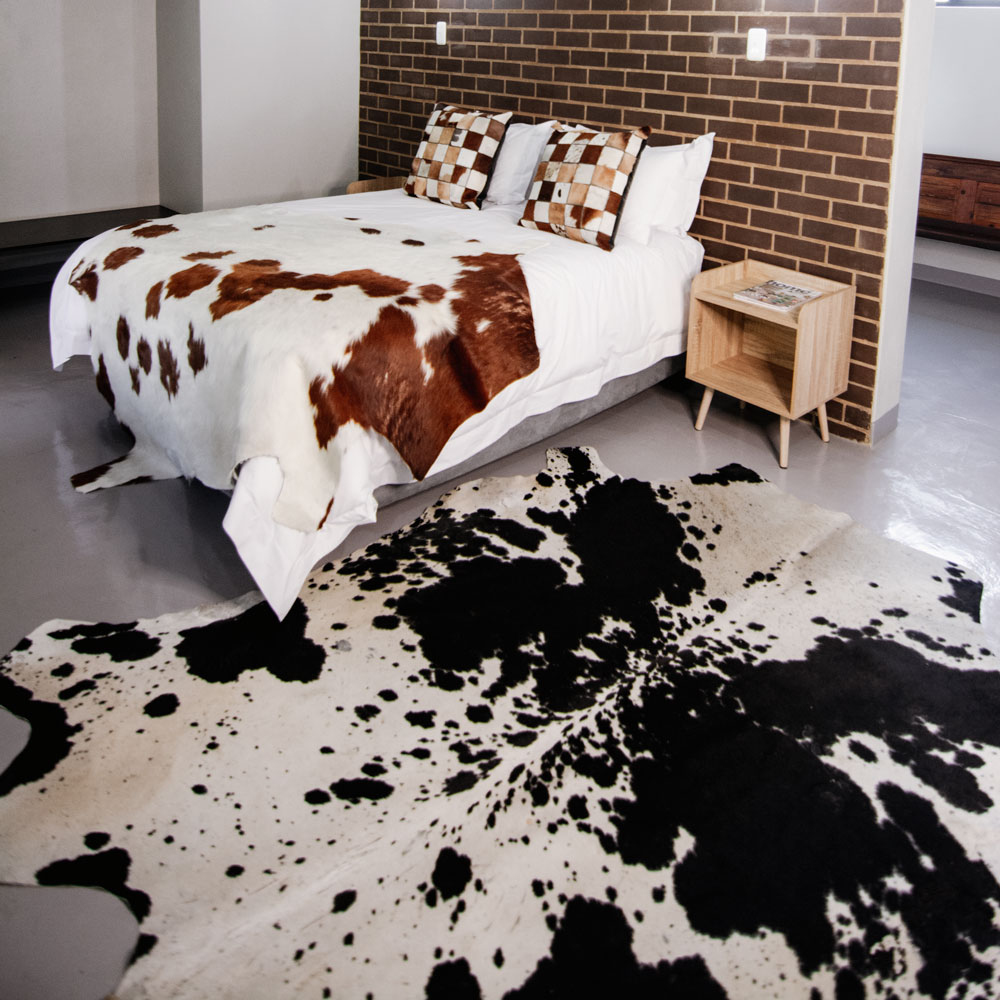
A black-and-white cow hide rug creates clear contrast and works well in minimal, monochrome and contemporary spaces. Brown, cream and brindle hides add warmth beside timber, leather furniture and woven natural materials. Speckled patterns bring movement to a calm room, while large two-tone areas make a bolder graphic statement.
Use photographs of the actual room when comparing hides online. A pattern viewed alone on a white product page can feel very different beside an existing sofa, floor and curtains. If possible, ask the seller for the actual hide photograph and dimensions rather than choosing from a generic colour category.
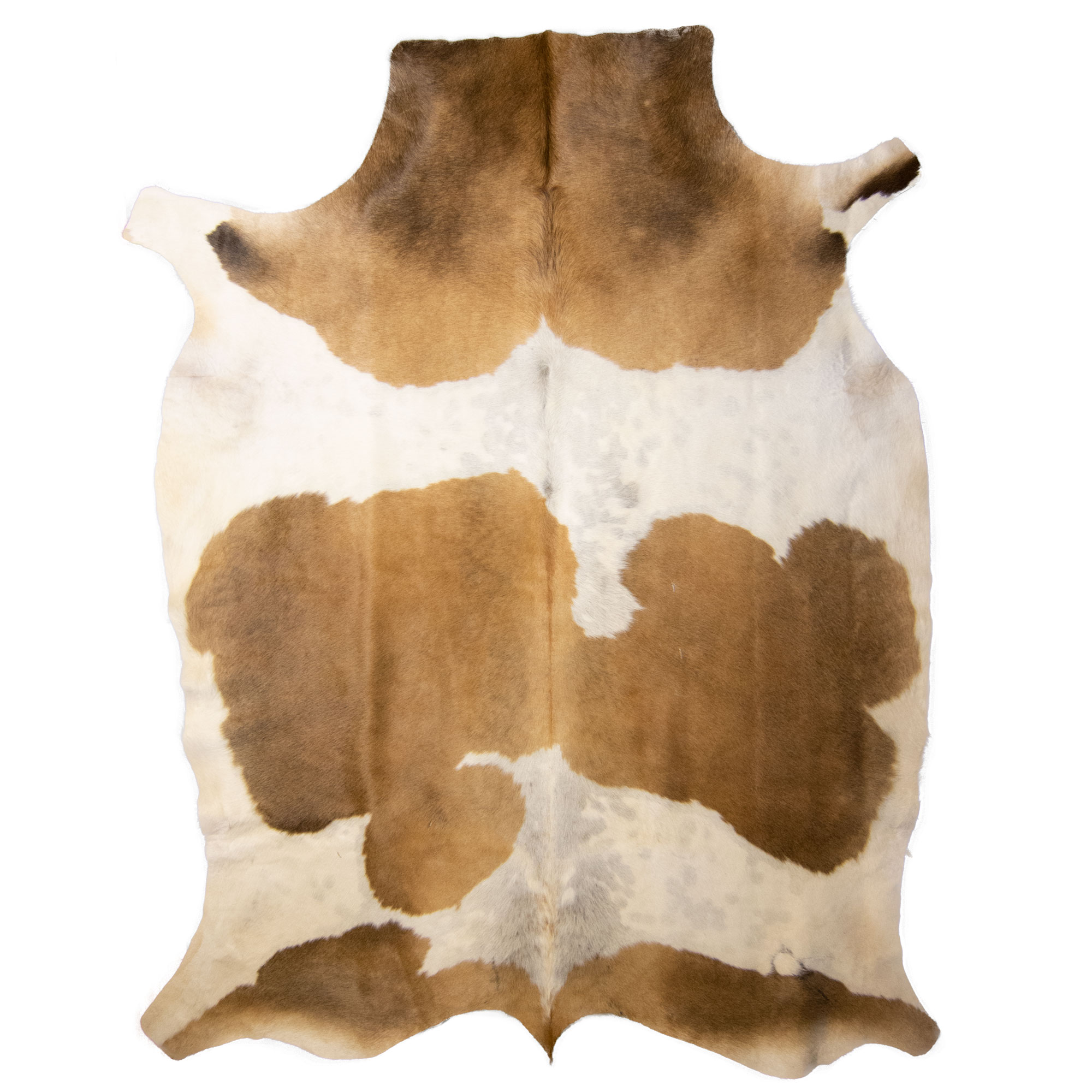
What quality looks like in a genuine hide
- Secure hair: the coat should feel stable rather than shedding excessively.
- Supple leather: the underside should not feel brittle, papery or heavily cracked.
- Honest photographs: natural marks should be shown clearly, especially when buying the exact hide.
- Clean finish: edges should be trimmed neatly without hiding damage.
- Clear dimensions: full hides need maximum width and length, not a vague size label.
- Care guidance: the seller should explain hair-on-hide cleaning and placement.
Natural variation is expected in a genuine cow hide rug. Small marks can be part of the material’s character, but strong unpleasant odours, extensive hair loss, hard cracking and undisclosed repairs deserve caution. Read our separate guide on how to choose a genuine Nguni hide for a deeper buying checklist.
How to place a cow hide rug safely
Hair-on-hide can move on a very smooth floor. If the hide shifts or its edges curl into a walking path, use a suitable non-slip underlay that will not mark the floor or trap moisture. Check it regularly rather than applying permanent adhesive to the hide.
Avoid persistently damp rooms and areas where the hide will be soaked. Strong, prolonged direct sunlight can affect natural colour over time, so rotate the hide occasionally if one section receives more light. Rotation also distributes traffic more evenly.
A simple care routine
- Shake the hide outdoors or lift it carefully to release loose dust.
- Vacuum gently with low suction in the direction of the hair.
- Blot spills immediately with an absorbent cloth; do not scrub across the hair.
- Use minimal moisture and allow the hide to dry naturally, away from direct heat.
- Rotate the rug periodically to share light and foot traffic.
- Ask a specialist before attempting deep cleaning or treating an unknown stain.
A cow hide rug is not cleaned like a washable synthetic rug. Never put it in a washing machine or saturate the leather backing. For more detail, use our Nguni carpet care guide. The hair-on-hide maintenance guide from CTL Leather also reinforces gentle routine cleaning and prompt spill care.
Where a cow skin rug works well
Living rooms
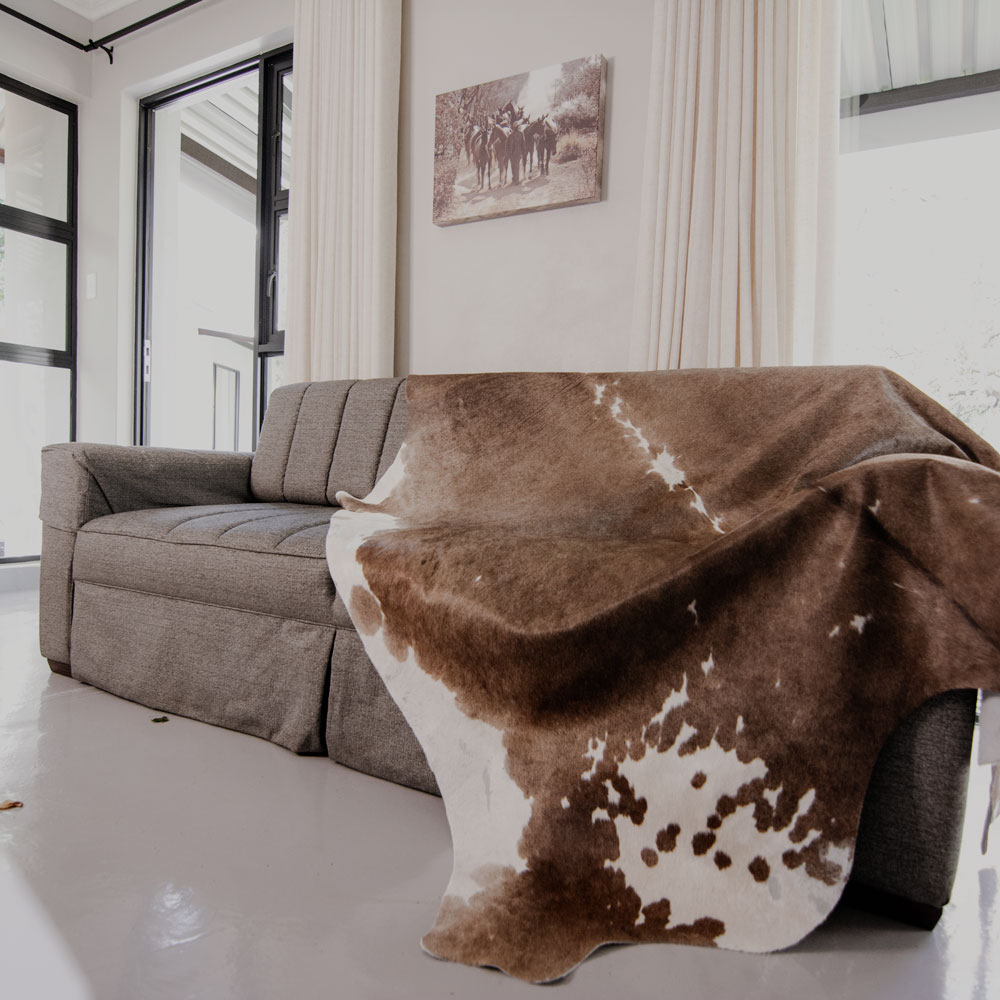
Place the hide at a slight angle beneath a coffee table or in the open area between seating. The irregular outline can soften a room dominated by straight sofas and rectangular tables.
Bedrooms
A hide beside the bed adds warmth and texture without needing to fill the entire floor. Measure door movement and the walkway before deciding on the angle.
Home offices
Use a hide as a focal point outside the chair’s rolling path. Repeated castor movement can be harder on hair-on-hide than ordinary foot traffic.
Layered interiors
A full hide can be layered over a larger flat-weave rug to define a smaller zone. Keep the lower rug simple enough that the Nguni pattern remains the feature.
Frequently asked questions
Is a cow hide rug the same as a cow skin rug?
In most shops the terms describe the same hair-on-hide floor covering. “Nguni hide” is more specific because it refers to the distinctive natural markings associated with Nguni cattle.
Can I vacuum a cow hide rug?
Yes, use low suction and move in the direction of the hair. Avoid aggressive rotating brushes and take care around thin edges.
Will the rug I receive match the photograph?
Only if the seller states that the listing is for the exact hide. Natural patterns cannot be duplicated, so confirm whether photographs are exact or representative.
Is a full hide or blocked carpet better under a table?
A blocked carpet gives a predictable rectangular footprint. A full hide creates a more organic shape. Measure the table, chair movement and surrounding walkway before choosing.
Choose the hide that fits the room
The right cow hide rug combines authentic material, useful dimensions and a pattern that belongs in the room. Decide between a natural outline and a constructed carpet, measure the full footprint, check the actual hide and plan a gentle care routine before it arrives.