
Cowhide Rug Under Dining Table: 7 Beautiful Style Checks
A cowhide rug under dining table furniture can give a room an inviting focal point, but the dining area is a demanding place for any rug. Chairs move, food falls and people take different routes around the table. The right decision depends on the exact hide outline and your household’s routine. Before choosing a Nguni piece, work through these seven checks and be willing to place the hide elsewhere if the dining layout does not suit it.
Contents
1. Start with the cowhide rug under dining table footprint
Measure the table and the space occupied when every chair is pulled out far enough for a person to sit down. Then measure the clear route around the occupied setting. These are three different footprints. A hide that sits neatly under an empty table may be far too small once the dining room is actually in use.
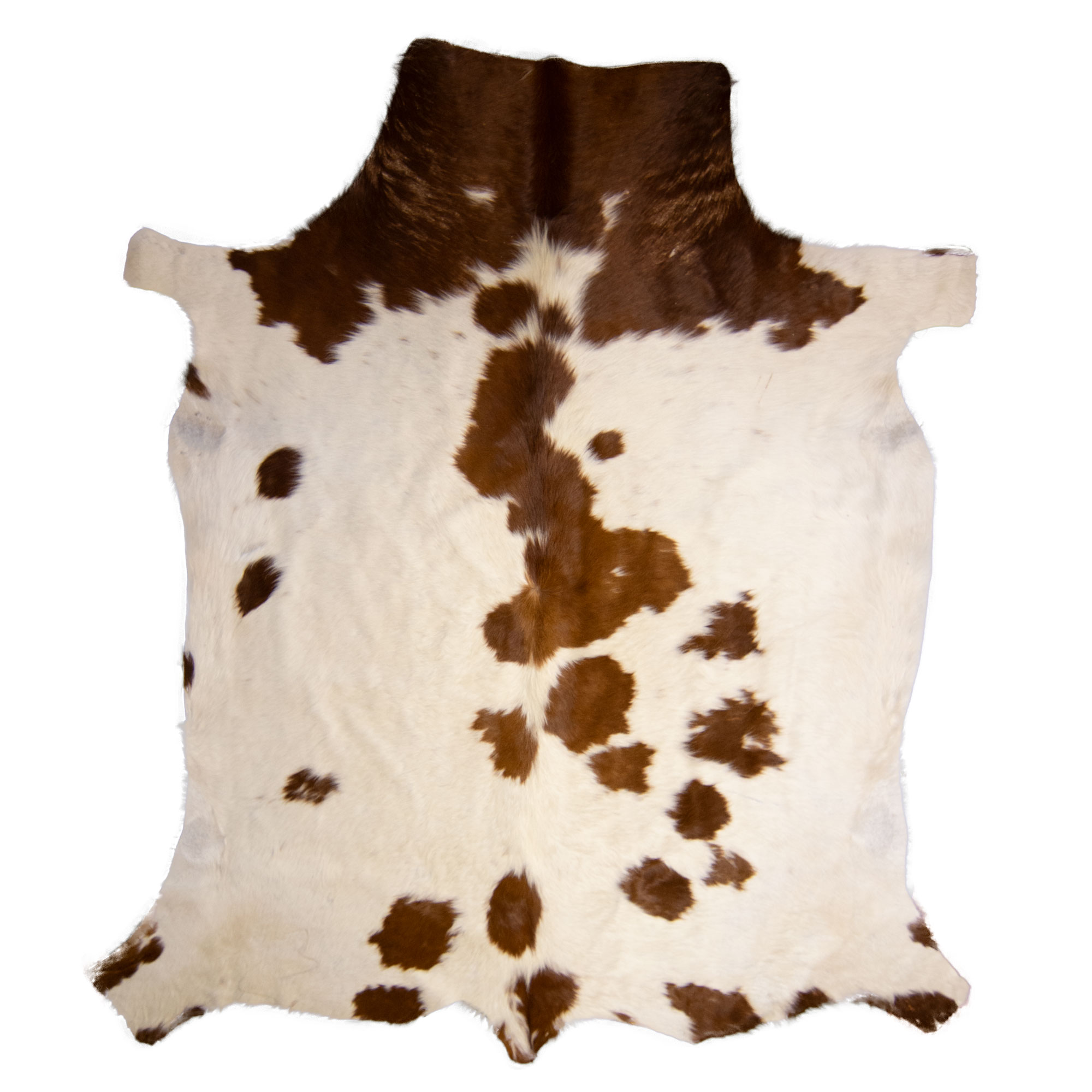
Use the Nguni hide size guide to plan the initial measurements. For dining, pay particular attention to the narrow waist and projecting edges of the hide. A rectangular maximum measurement is only a starting point; ask for a photograph of the exact piece beside its dimensions.
2. Rehearse the full chair movement
Make a paper outline approximating the candidate hide and move each chair through a normal sitting and standing sequence. Test the end chairs as well as the side chairs. Look for any point where a foot would repeatedly move from bare floor to hide or catch an edge. A beautiful arrangement is not practical if diners have to remember a special way of moving.
The cowhide rug under dining table question is often settled by this trial. If the shape does not work, place the hide beside a reading chair or within a lounge seating group instead. Do not force a dining arrangement just because the colours match. Your room can still include Nguni character through a different accessory or a nearby focal point.
3. Choose the outline before the colour
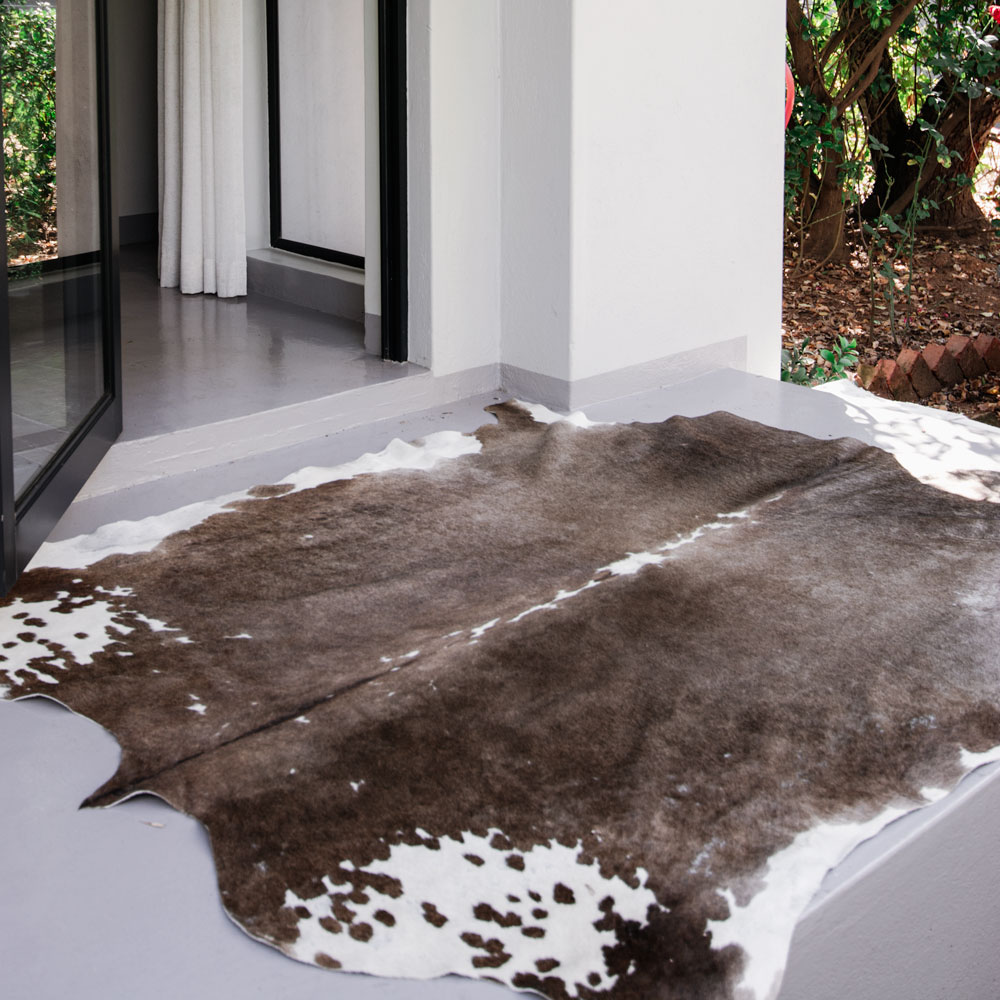
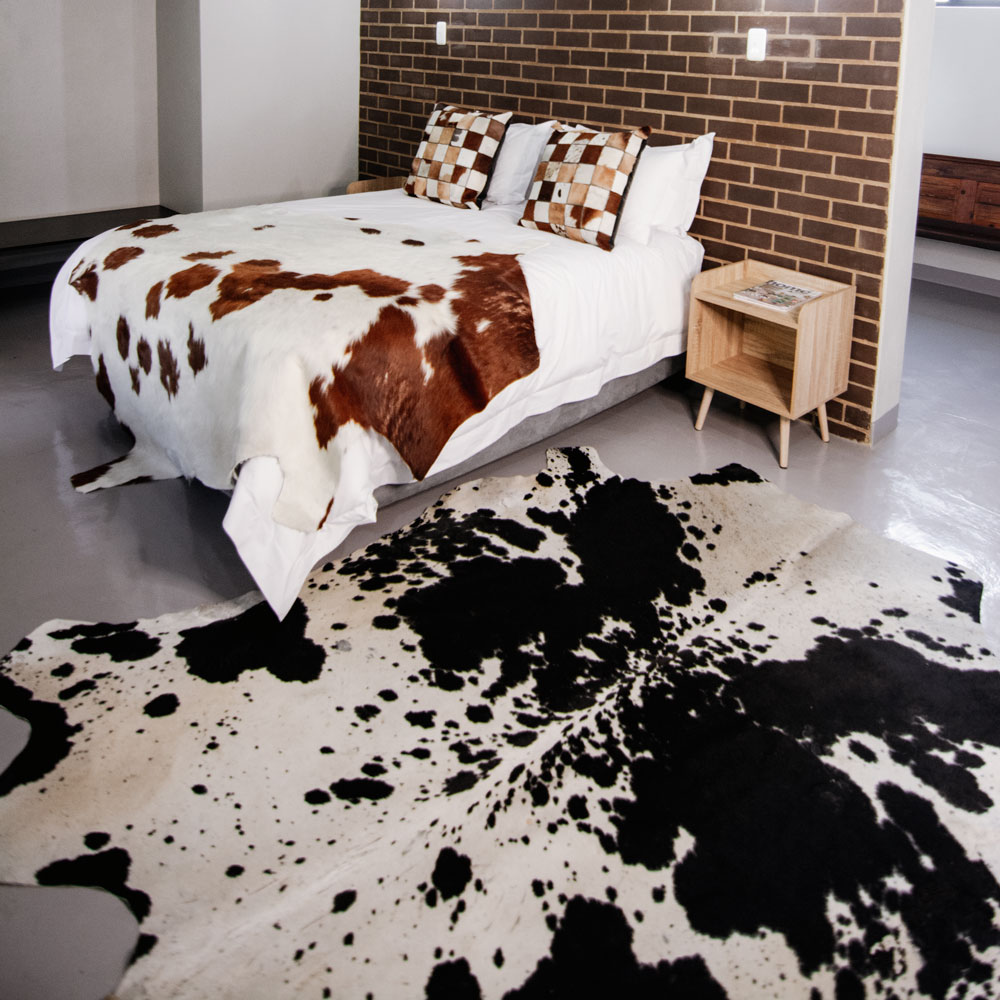
Browse available Nguni hides with the furniture plan in hand. Natural pieces differ in proportions as well as pattern. Ask whether the images show the exact hide available and request any measurements needed to understand a narrow section. Avoid assuming that a second hide with the same advertised size will fit the same way.
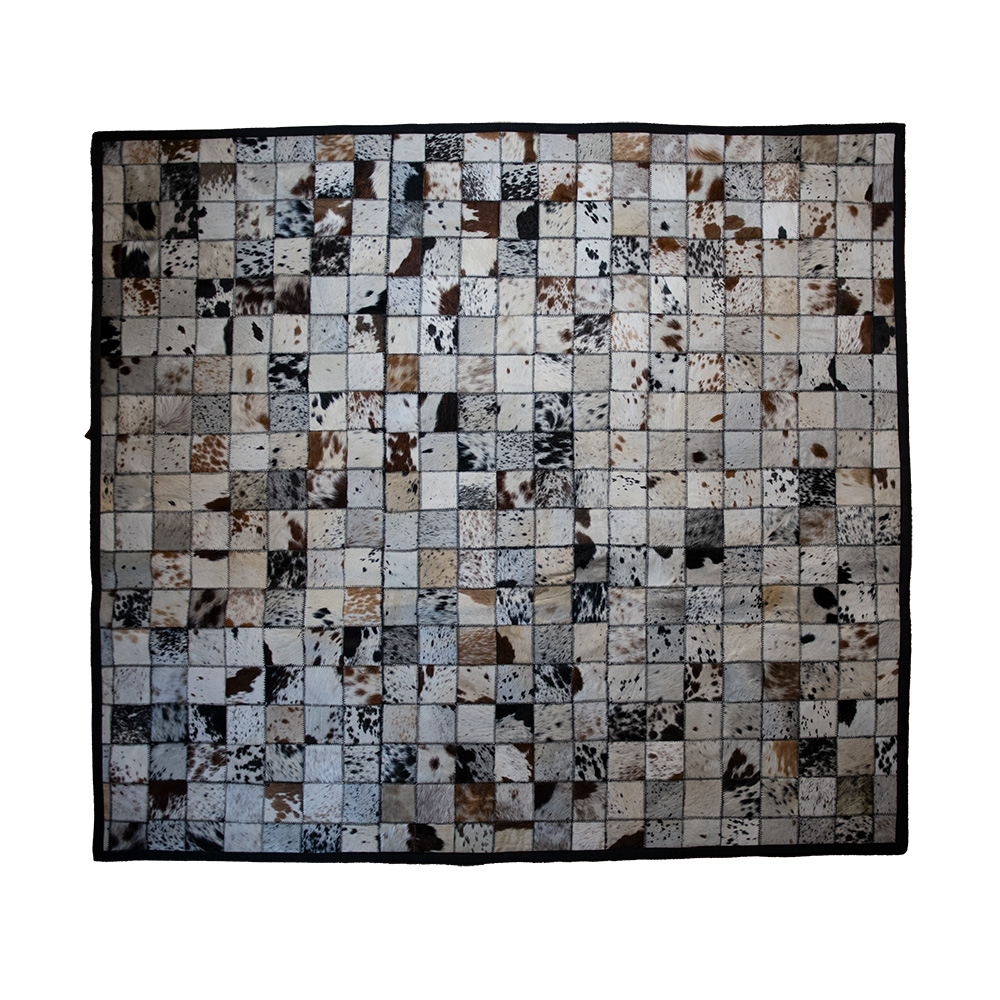
If a defined rectangular shape better suits the room, compare the construction and dimensions of a blocked carpet. The choice is not simply between a natural rug and no rug at all. However, a different outline still needs the same chair movement and stability checks. A patchwork design should not be assumed more suitable for spills or easier to wash without confirmed care instructions.

4. Be realistic about meals and mess
Think about the meals served here most often, not only special occasions. A formal room used occasionally has a different routine from a family table used for breakfast, homework and craft projects. If frequent spills are likely and immediate attention is difficult, a washable alternative or a clear floor may be the more practical choice.
A cowhide rug under dining table seating should not be advertised as stain-proof or effortless to maintain. Ask the supplier how to deal with the specific finishes and materials. Keep the correct care information handy before an accident occurs. For a new purchase, clear expectations are more useful than optimistic promises about how a natural material will behave in every household.
5. Check floor compatibility and stable support
Identify the flooring beneath the rug and ask about compatible backing or underlay if needed. Make sure the table stands securely and does not rock after placement. Inspect every edge near a doorway or main route. A rug can look flat from above while still creating a catch point where someone turns or carries a serving dish.
Do not use tape, glue or an improvised coating to fix a poor fit. If the hide shifts during normal chair movement, pause the arrangement and ask the supplier for advice. The safest design solution may be a different position. Dining comfort and access should take priority over keeping a decorative item exactly where you first imagined it.
6. Keep the visual arrangement simple
A naturally patterned hide already brings movement to a dining room. Consider quieter table linen, uncomplicated chair upholstery or a restrained centrepiece so the room does not have several competing focal points. Repeat a tone from the hide in a small detail if you want connection, rather than matching every surface.
For a cowhide rug under dining table furniture with a substantial base, check how much of the pattern will remain visible. A heavy pedestal can conceal the central markings, while an open-legged table reveals more. Compare photographs taken from the doorway and from a seated position. A strong buying decision considers the visible result, not only the rug viewed on its own.
7. Plan a careful cleaning routine
Clean the floor beneath the hide separately and allow it to dry before replacing the rug. Avoid treating hair-on-hide with carpet-cleaning equipment simply because it is being used on the floor. Canadian Conservation Institute guidance on leather, skin and fur describes the sensitivity of leather and skins to water. Follow product-specific advice for the finished hide, especially when addressing a spill.
Our Nguni rug cleaning guide provides a starting point for routine care questions. If a stain is persistent or the material changes texture, seek specialist advice rather than escalating through household products. A cowhide rug under dining table placement is only sensible if this level of care fits the way you use the room.
A worked example: compare two positions before buying
Imagine a compact dining room with a table that extends for guests. In its everyday size, the proposed hide looks generous. Once the table is extended and two additional chairs are introduced, the chair feet cross the rug edges. That is not a small styling detail: it changes whether the rug works for the room’s normal range of use.
Test the largest configuration you actually use, not a hypothetical arrangement you will never need. If the extended setting fails, compare a neighbouring lounge position where the hide can remain undisturbed. Take the same photograph from the doorway for both options. You may discover that the second position shows more of the natural markings and keeps the dining room easier to maintain.
If the dining room is genuinely occasional and you plan to move the rug for larger gatherings, think through where it will go and how it will be handled. A plan that depends on repeatedly moving heavy furniture may not be realistic. Select the arrangement that remains convenient when guests arrive, rather than one that creates another preparation task.
Questions to send with your room measurements
Ask the seller whether the photographed hide is the exact piece for sale, what its maximum and narrowest relevant dimensions are, and what the underside and edges look like. Include your flooring type, table size and chair movement footprint. These details help turn a vague request for a dining rug into a useful conversation about a particular item.
Also ask for current care instructions, delivery information and the applicable returns process before ordering. Do not assume that a natural pattern can be exchanged for an identical one. Keep a record of the product photograph and measurements you used so that, on arrival, you can check the supplied piece against the layout you planned.
Your practical checklist
- Measure the occupied and fully extended dining setting.
- Test every chair’s movement against a paper outline.
- Ask for the actual hide’s photograph and dimensions.
- Consider everyday spills and your realistic care routine.
- Check stable furniture support and clear walking routes.
- Keep an alternative room position in mind.
Frequently asked questions
Is a cowhide rug under dining table seating always practical?
No. It depends on chair movement, outline, stability and care needs. A different room position may be more appropriate.
Should I buy a larger hide for an extending table?
Measure the largest configuration you actually use. Size alone is not enough: the irregular outline must also suit every chair position.
Does a dark hide solve the spill problem?
No. Colour may affect how a mark looks, but it does not make the material stain-proof or remove the need for suitable care.
Choose a beautiful arrangement that works at mealtimes
The best cowhide rug under dining table arrangement begins with chair movement and realistic care expectations. Choose the exact hide only after those checks, and keep the surrounding styling simple. If the fit is wrong, moving the Nguni piece to another area is a good design decision, not a compromise.
Explore the collection and ask about current availability
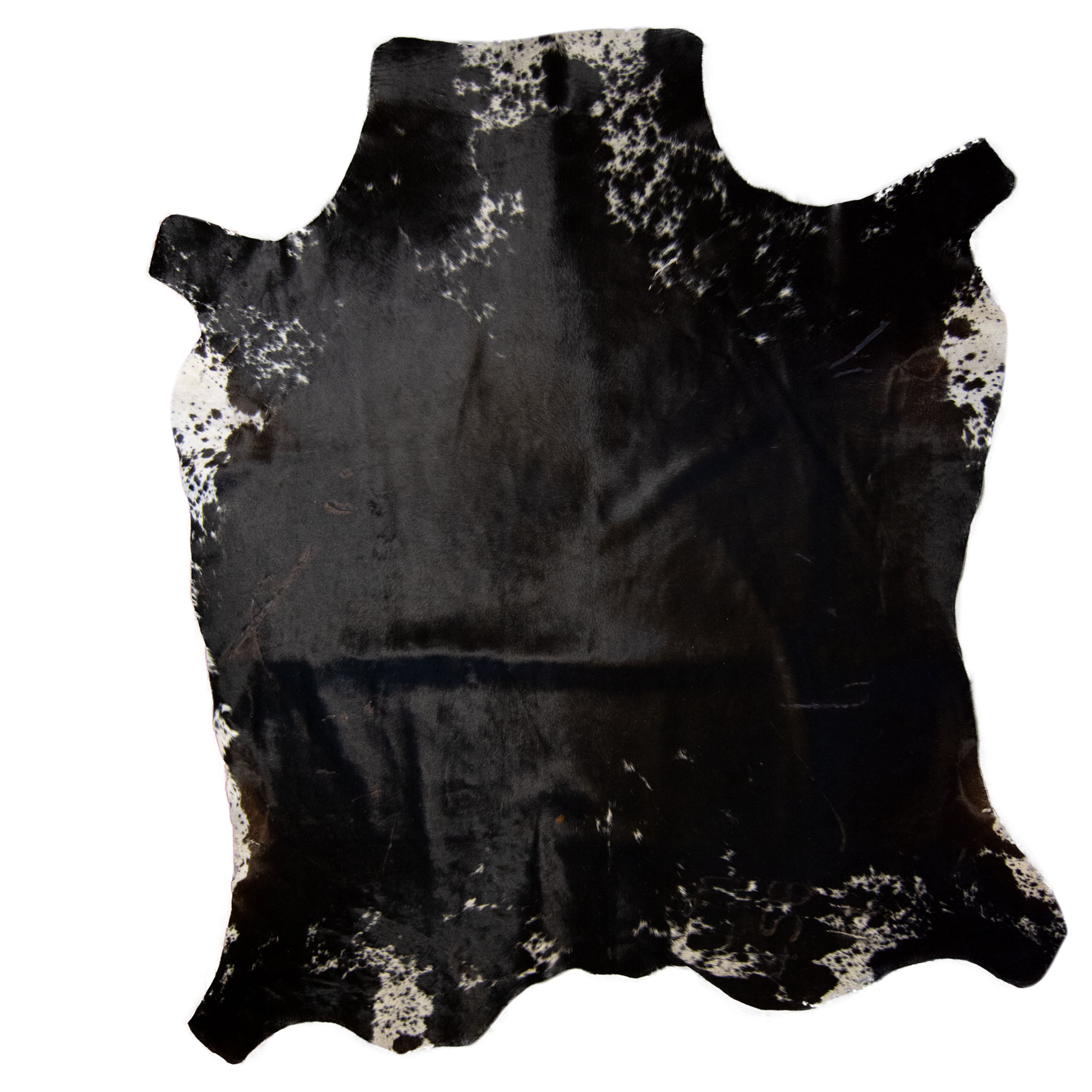
Watch: the cattle behind the patterns
For cultural background, Nguni by Josh Michael Levi is a short documentary about Nguni cattle, filmed in Mpumalanga. This independently produced film is background viewing, not a Home of Nguni product demonstration or care tutorial.