
Leather Bags South Africa: A Guide to Genuine Nguni Craftsmanship
Searching for leather bags South Africa can produce everything from mass-made imports to genuinely local, handcrafted pieces. The most useful way to compare them is to look beyond colour and price. Material, construction, size, hardware and aftercare determine whether a bag becomes an everyday favourite or a frustrating purchase. For leather bags South Africa shoppers can use with confidence, the practical details must support the visual appeal. This guide shows you how to choose a leather bag that fits your routine while recognising the natural character of South African Nguni hide.

Start with the job your bag must do
A beautiful bag can still be the wrong bag. Different leather bags serve different routines, so list what you carry most days and where the bag will go before comparing styles. A compact sling bag suits a phone, wallet and keys. A structured tote can move between errands and a meeting. A laptop bag needs measured device protection. A backpack should distribute weight comfortably and keep work items organised.
Then consider frequency. An occasional event bag can prioritise visual impact, while a daily commuter needs strong handles, reliable closures and an interior that is easy to use. If you travel regularly, choose a design that sits securely, opens sensibly at checkpoints and does not place decorative hair-on-hide where it will be rubbed constantly.
What “genuine leather” should tell you
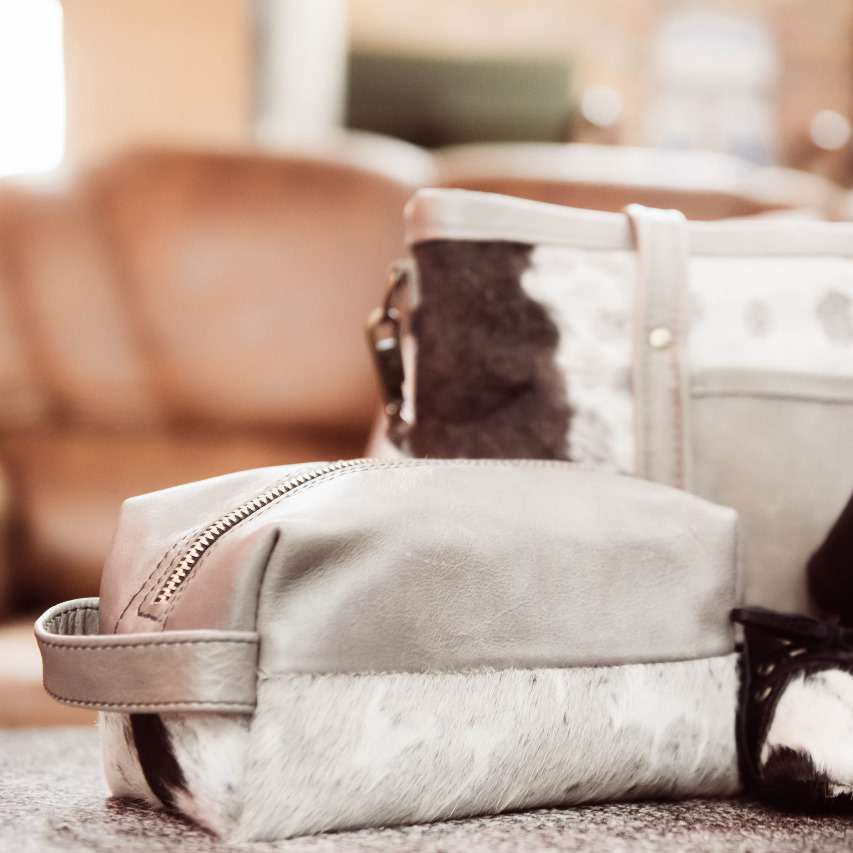
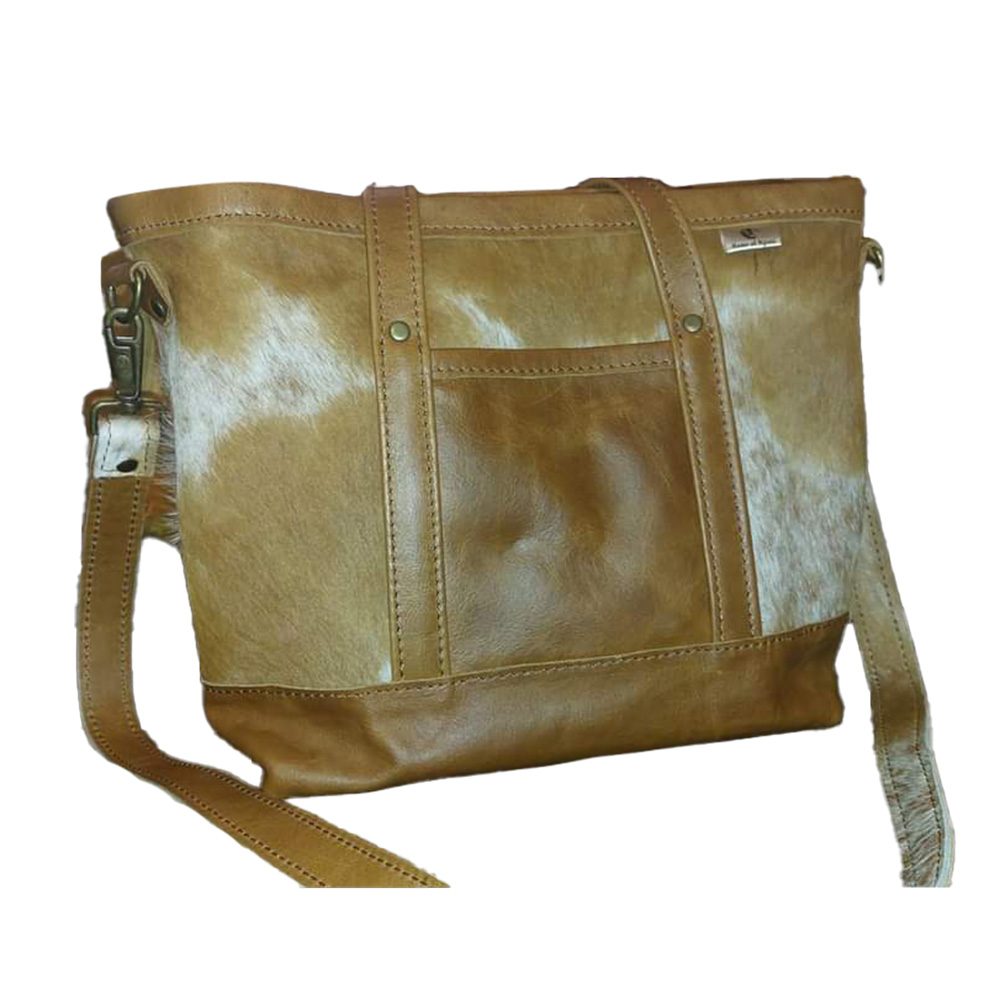
“Genuine leather” confirms that an animal-derived material is present, but it does not explain the grade, finish or construction. Quality leather bags should come with clear material information. Ask which sections are smooth leather, which are hair-on-hide and what material is used for the lining and reinforcement. With an Nguni bag, the patterned panel should be real hide rather than printed fabric. The handles, base and stress points should use material strong enough for the intended load.
Natural marks and colour variation can be part of authentic leather. They should not be confused with poor stitching, cracked structural leather, loose fittings or careless edge finishing. Product descriptions should explain variation honestly and photographs should make it clear whether you are buying the exact pattern shown.
Five construction details that matter
- Stitching: Look for even lines, neat corners and reinforcement where straps meet the body.
- Handles and straps: They should feel secure, sit comfortably and suit the weight you plan to carry.
- Base structure: A working tote or laptop bag benefits from a stable base that protects its contents and shape.
- Closures: Zips, magnets and buckles should be easy to use without leaving valuables exposed.
- Lining and pockets: The interior should make sense for the bag’s purpose and allow common items to be found quickly.
Choose the right leather bag style
| Bag type | Best for | What to check |
|---|---|---|
| Sling or crossbody | Daily essentials and hands-free use | Adjustable strap, secure closure and comfortable position |
| Tote | Work, shopping and flexible everyday carry | Handle reinforcement, base shape and internal organisation |
| Laptop bag | Professional travel and device protection | Measured sleeve, padding, closure and shoulder comfort |
| Backpack | Commuting, longer days and balanced weight | Two supportive straps, back comfort and practical compartments |
| Make-up or toiletry bag | Travel organisation and gifting | Wipeable lining, dependable zip and useful opening |
Why Nguni hide suits leather bags South Africa buyers love
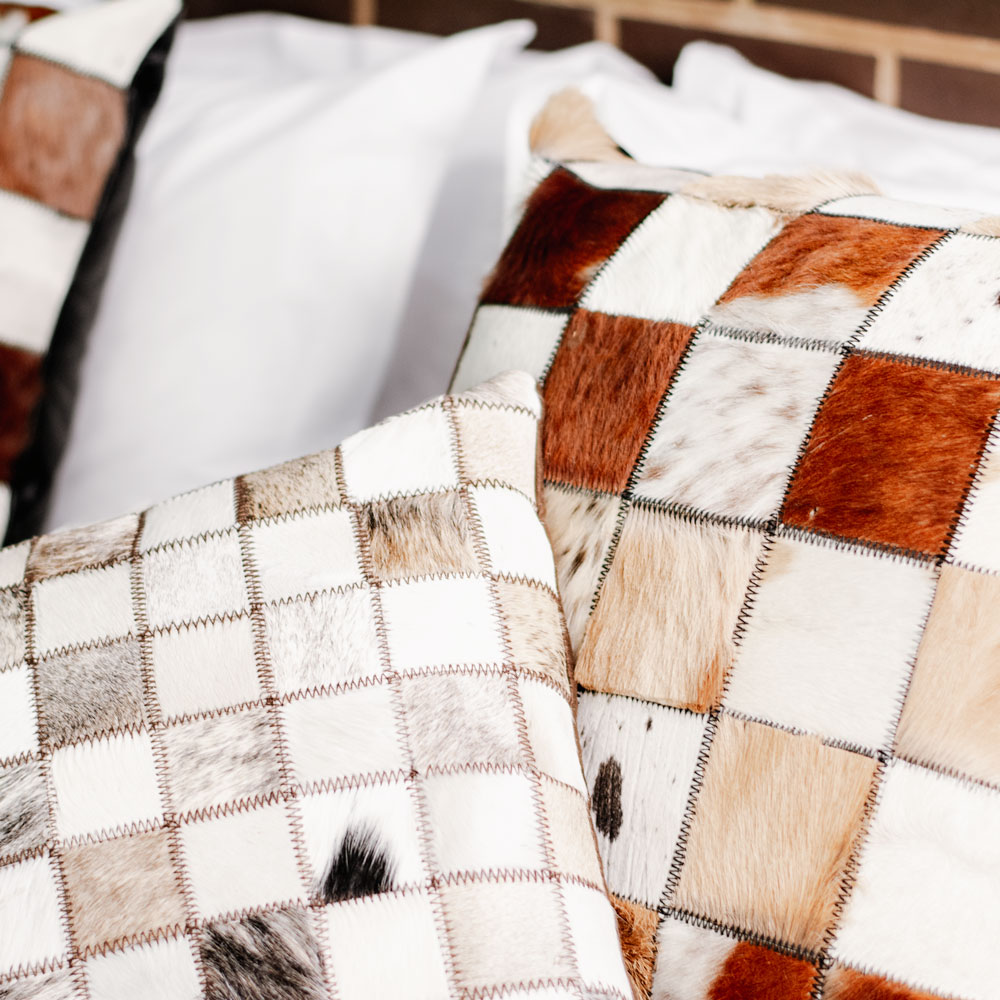
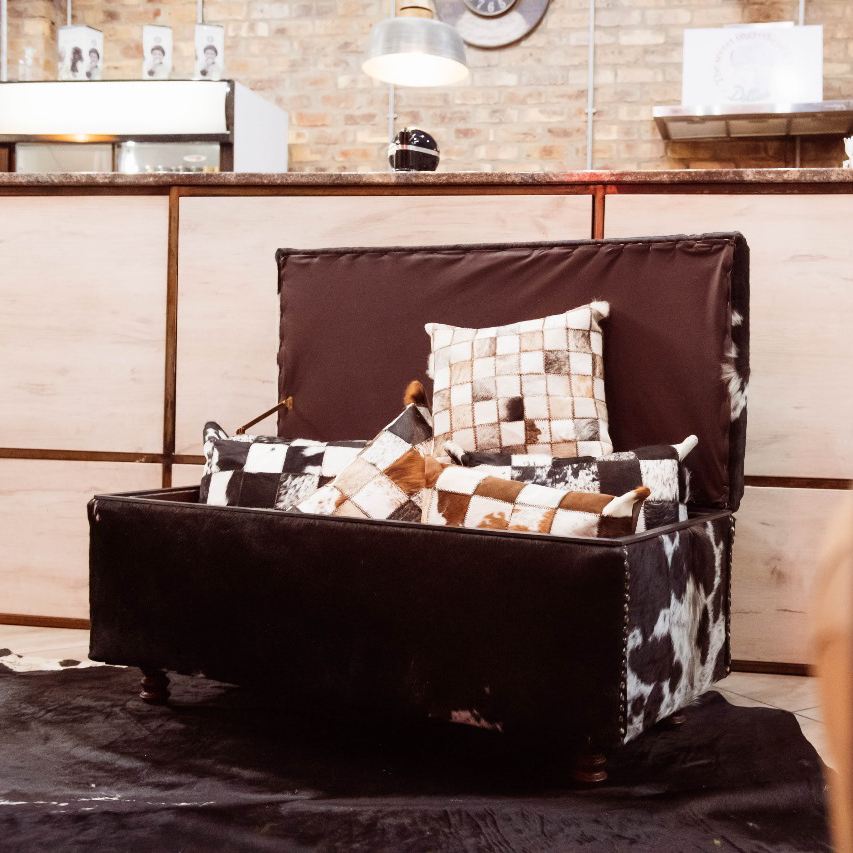
Nguni hide creates a direct connection between a functional object and Southern African material culture. Each natural pattern gives the bag individuality without relying on an applied logo or repeated print. Black-and-white panels feel graphic and contemporary; brown, cream and brindle combinations sit easily with neutral wardrobes and warm leather tones.
The strongest designs use the hide selectively. A feature panel can carry the pattern while smooth leather supports edges, straps and areas exposed to frequent handling. This balance helps the bag age more gracefully and allows the natural surface to remain the focal point.
Measure before ordering online
Product photographs rarely show scale accurately. For leather bags bought online, measurements matter more than visual scale. When comparing leather bags South Africa stores list online, compare the stated height, width and depth with a bag you already own. If you carry a laptop, measure the device itself rather than trusting a general screen-size label. Also check the opening: a bag can be wide enough internally but still difficult to load if the zip or frame is narrow.
For a shoulder or crossbody bag, check the strap range and consider where you want the bag to sit. For a tote, look at handle drop—the vertical space between the top of the bag and the handle. A comfortable shoulder carry usually needs more room than a handheld design.
How to care for a leather bag
Empty the bag regularly and remove loose dust with a soft cloth or brush. Store leather bags with their shape supported, away from prolonged direct sun, and never place them against a heater to dry. If the bag combines smooth leather and hair-on-hide, treat the surfaces separately. A conditioner suitable for smooth leather should not be spread over the hair.
Blot moisture promptly and allow the bag to dry naturally. Before using a specialist cleaner or conditioner, test a hidden area and follow the maker’s directions because finishes respond differently. For a clear demonstration of conditioning a smooth leather briefcase, see this leather bag care video and guide. When in doubt, ask the product maker before applying anything.
Questions to ask before buying
- Is the patterned section genuine hair-on-hide Nguni leather?
- Will I receive the exact pattern shown or a variation?
- What are the external and internal dimensions?
- Does the bag include a lining, pockets or a protected device sleeve?
- Which areas are reinforced for weight?
- How should the smooth leather and hair-on-hide sections be cleaned?
- What delivery, return or exchange conditions apply?
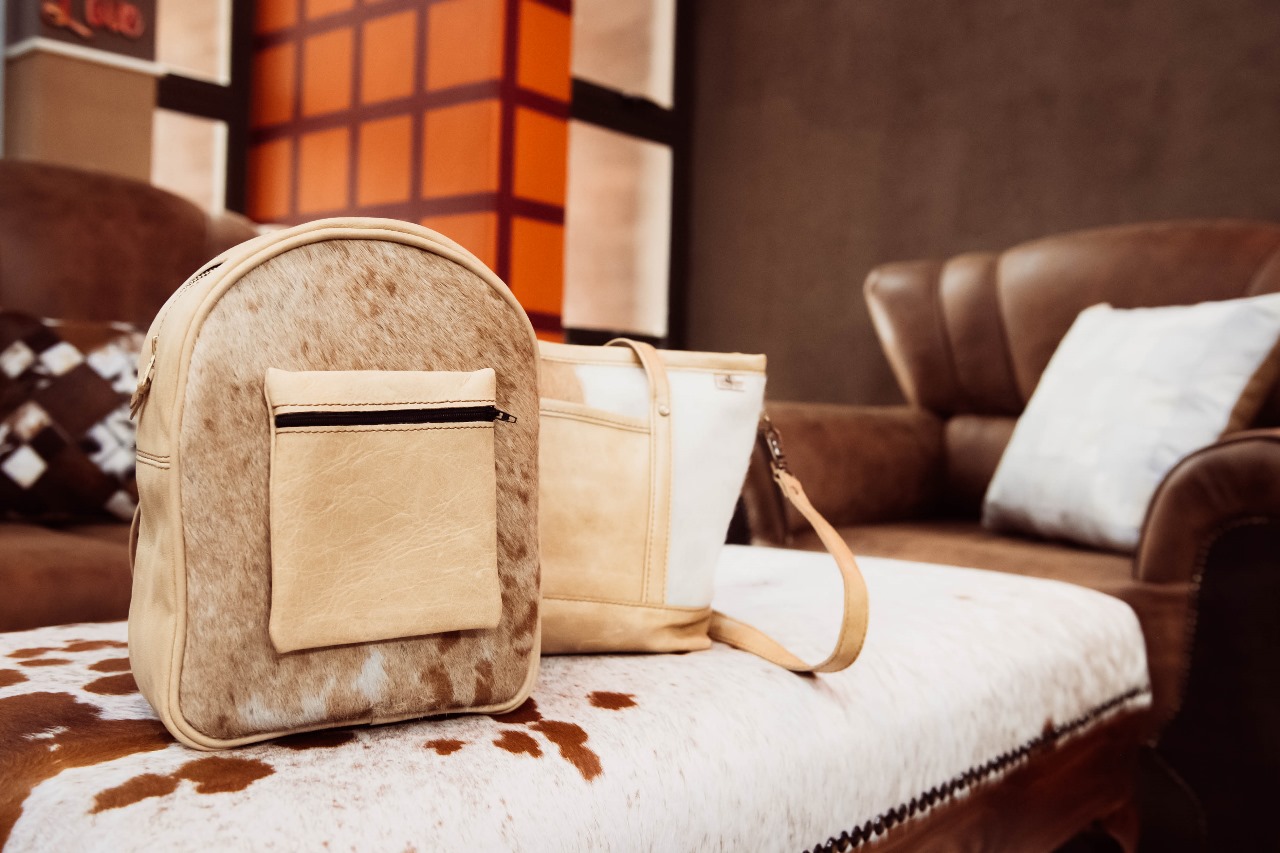
When comparing leather bags South Africa customers can order online, Home of Nguni offers several formats, including the Nguni sling bag, Nguni leather tote, Nguni laptop bag and Nguni backpack. Use the dimensions and product photographs as your starting point, then contact the team if you need to confirm a natural pattern or practical detail.
Frequently asked questions
What should I look for when comparing leather bags South Africa offers?
Look for clear material information, reliable construction, dimensions that suit your routine and a seller who explains natural variation. Local identity should be supported by practical quality, not used as a substitute for it.
Is hair-on-hide suitable for an everyday bag?
Yes, when it is positioned thoughtfully and the bag uses smooth leather or reinforcement at high-stress points. Avoid unnecessary rubbing, soaking and harsh cleaning products.
Will my Nguni bag match the product photograph exactly?
It depends on the listing. Natural hide varies, so confirm whether the photograph shows the exact item or an example of the style before ordering.
Which leather bag is best for work?
Choose according to what you carry. A measured laptop bag suits device-focused travel, a structured tote allows flexible carry, and a backpack distributes a heavier load across both shoulders.
Buy for function, craftsmanship and character
The best leather bags South Africa shoppers find combine all three. Compare leather bags by function and craftsmanship as carefully as you compare colour and pattern. Function makes the bag useful, craftsmanship helps it withstand regular use and Nguni hide gives it an identity that cannot be repeated exactly. Decide what the bag must carry, verify the measurements, inspect the stress points and choose a pattern you will enjoy living with.