
Nguni Cushions: 9 Beautiful Styling Ideas for SA Homes
Nguni cushions introduce natural pattern, tactile texture and unmistakable South African character without requiring a complete room redesign. Because every genuine hair-on-hide panel varies, the most successful arrangement does not force perfect matching. It balances one strong pattern with calmer colours, useful sizes and materials already present in the room. These nine ideas will help you style Nguni cushions on a sofa, bed, occasional chair or lodge seating area.
Why Nguni cushions work as statement accents
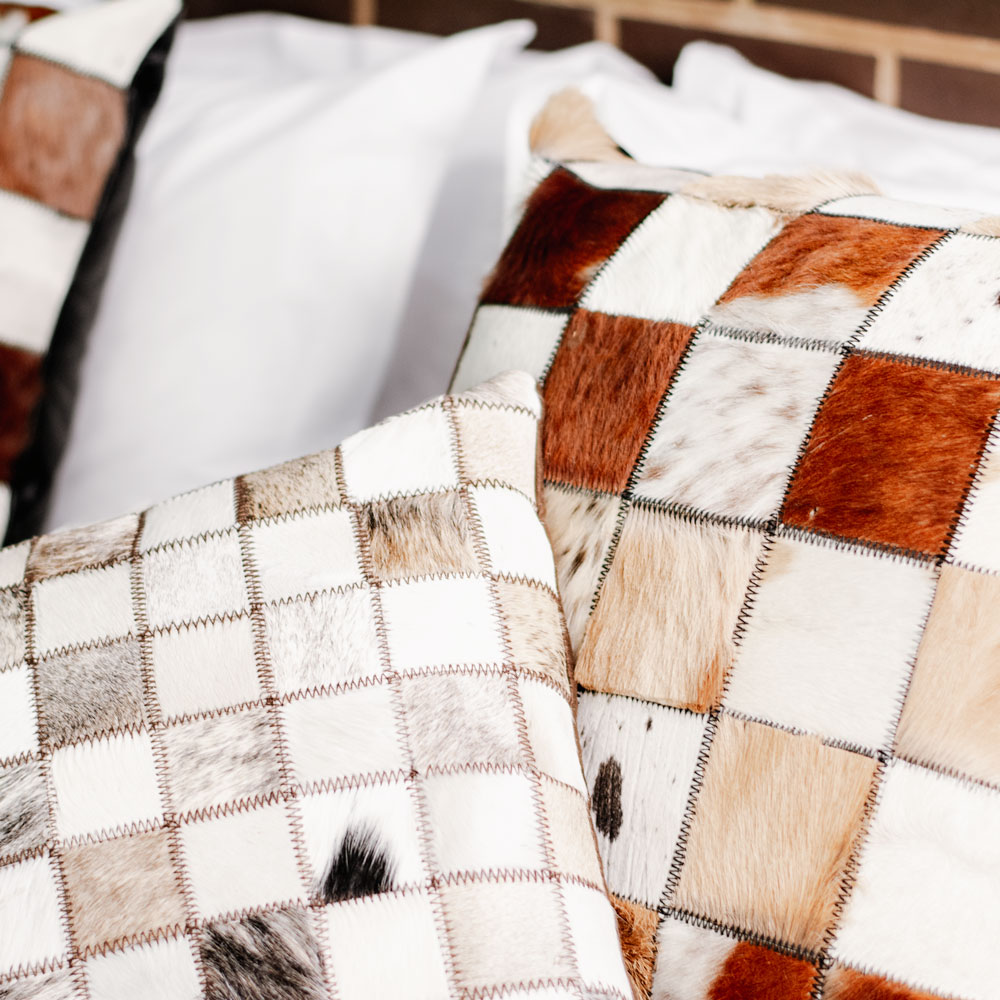
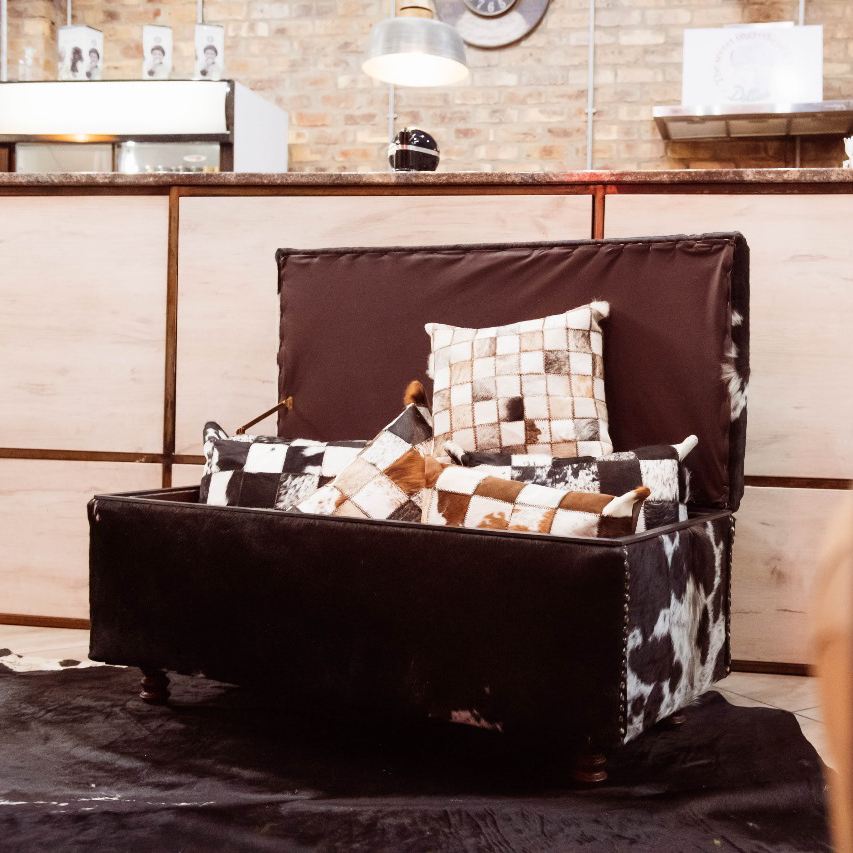
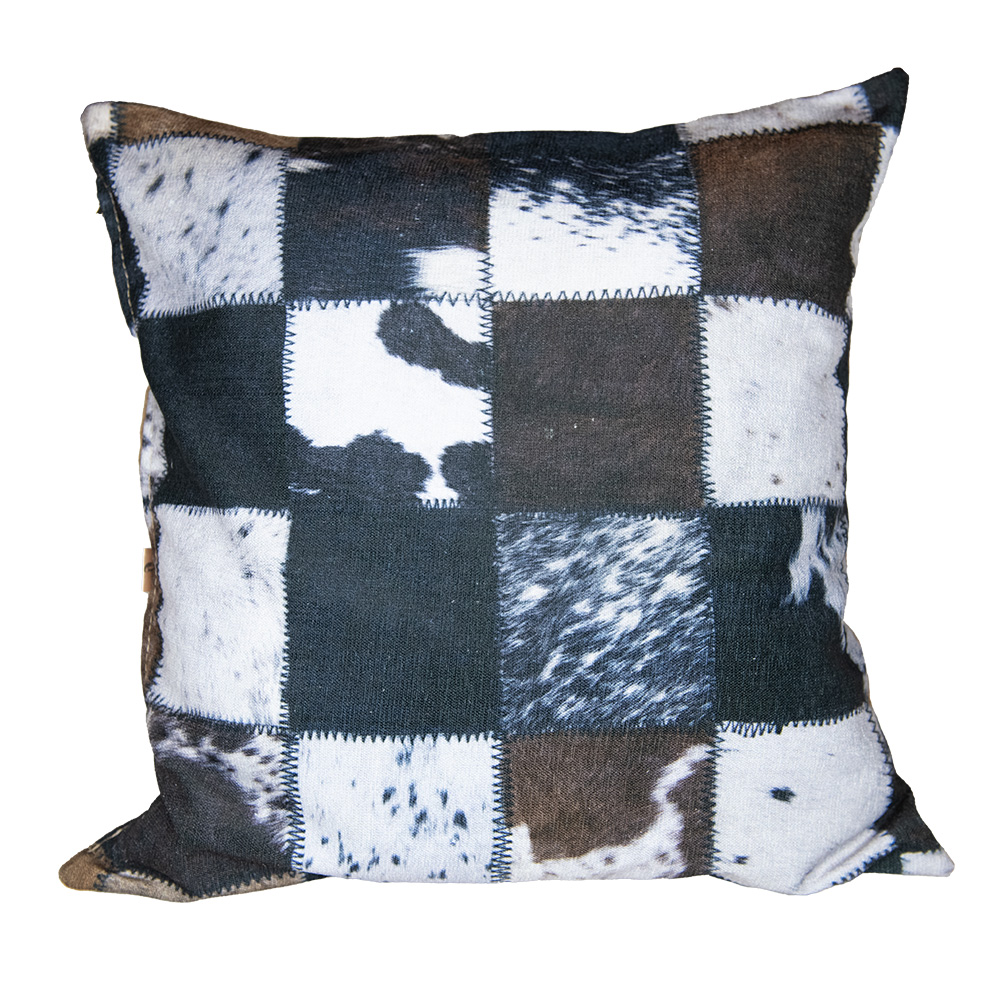
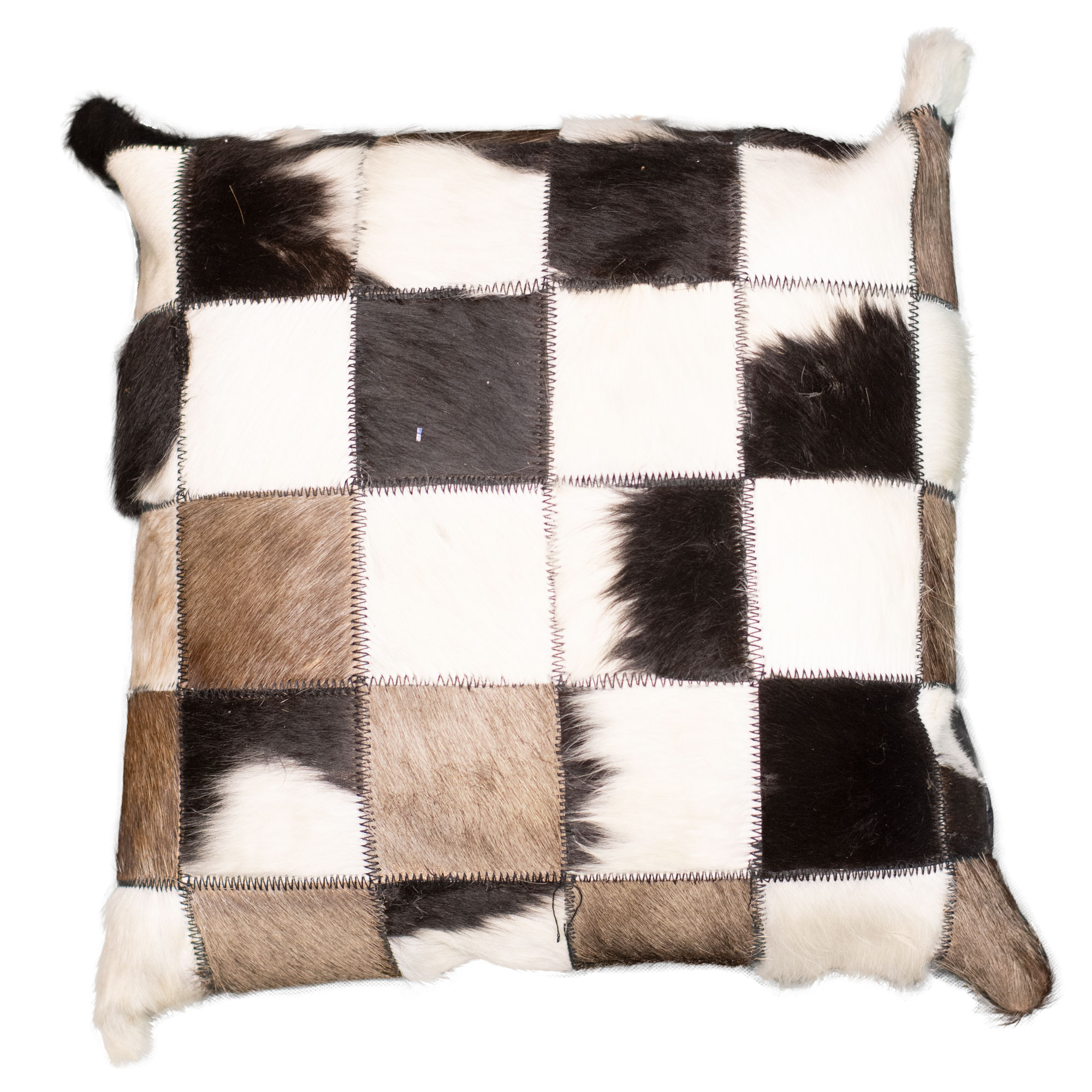
A full hide can define a room, while a cushion introduces the same natural markings at a smaller scale. This makes cushions useful for testing a bolder look or refreshing an established neutral interior. Black-and-white panels feel graphic and contemporary; brown, cream and brindle patterns bring warmth; speckled panels add fine visual movement.
Genuine variation is the appeal. Instead of expecting identical repeats, choose pieces that share a colour family or visual weight. You can see the wider design language in our guide to authentic Nguni home decor.
1. Start with one hero cushion
Choose the most distinctive Nguni cushion first. Place it near the centre of a sofa or on an occasional chair where the full panel is visible. Build the rest of the arrangement around its dominant colours. A bold black-and-white pattern may need only charcoal, cream and one warm timber tone nearby.
2. Mix sizes instead of repeating one square
Different sizes create depth. Use a larger plain cushion at the back, a medium Nguni panel in front and a smaller lumbar cushion to break the row. Common South African scatter sizes include 40, 45, 50 and 60 centimetres, as outlined in this scatter-cushion styling guide. Measure the sofa depth before buying inserts so the arrangement remains comfortable.
| Furniture | Starting combination | Nguni role |
|---|---|---|
| Three-seat sofa | Two large anchors, two medium accents, one lumbar | Use one or two patterned accents |
| Two-seat sofa | Two large cushions and one smaller accent | Place the Nguni cushion off-centre |
| Occasional chair | One medium or lumbar cushion | Let the natural pattern stand alone |
| Double or queen bed | Sleeping pillows, two large squares, one long accent | Use Nguni as the front statement layer |
3. Repeat colour, not pattern
Trying to match natural markings exactly can make a room feel forced. Instead, repeat one colour from the Nguni panel in a plain cushion, throw or rug. A brown-and-white cushion can connect to a tan leather chair and an ivory wool throw. A black-and-white cushion can repeat a dark lamp base or picture frame.
4. Balance hair-on-hide with soft textiles
Natural hair-on-hide has a smooth, directional surface. Pair it with linen, brushed cotton, wool, velvet or a soft woven throw to create contrast. Keep competing animal prints to a minimum. Texture should support the genuine material rather than imitate it.
5. Use odd numbers with breathing room
Groups of three or five often feel relaxed and easy to adjust. On a compact sofa, three useful cushions usually look better than seven tightly packed pieces. Leave enough room for people to sit without moving the entire arrangement. The goal is a lived-in room, not a display that cannot be used.
6. Style a neutral sofa with contrast
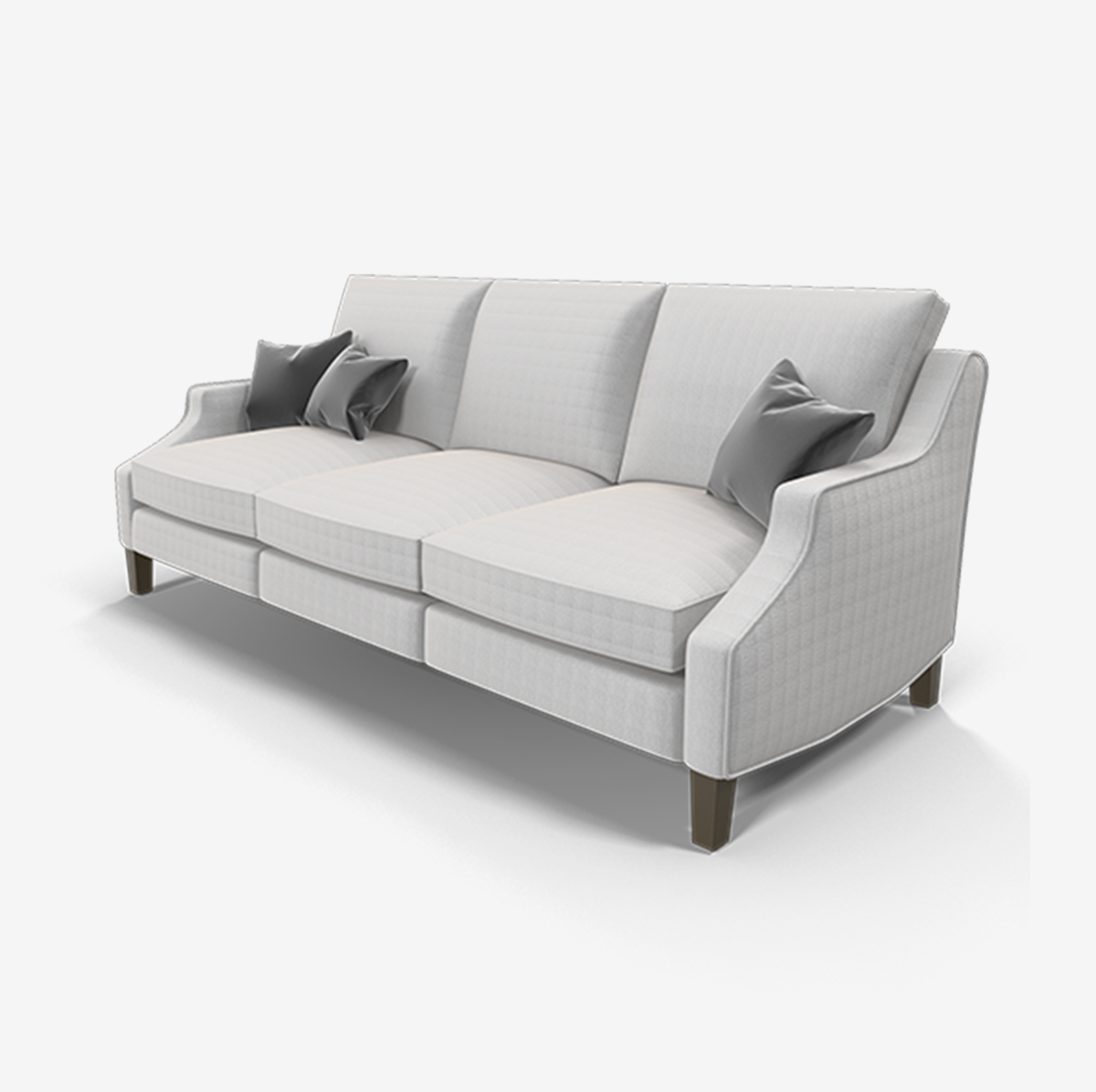
On cream, stone or light-grey upholstery, medium and dark Nguni markings create a clear focal point. Anchor the arrangement with two quiet cushions close to the sofa colour, then add the Nguni cushion in front. This keeps the natural pattern strong without making the whole setting busy.
7. Warm a dark leather sofa
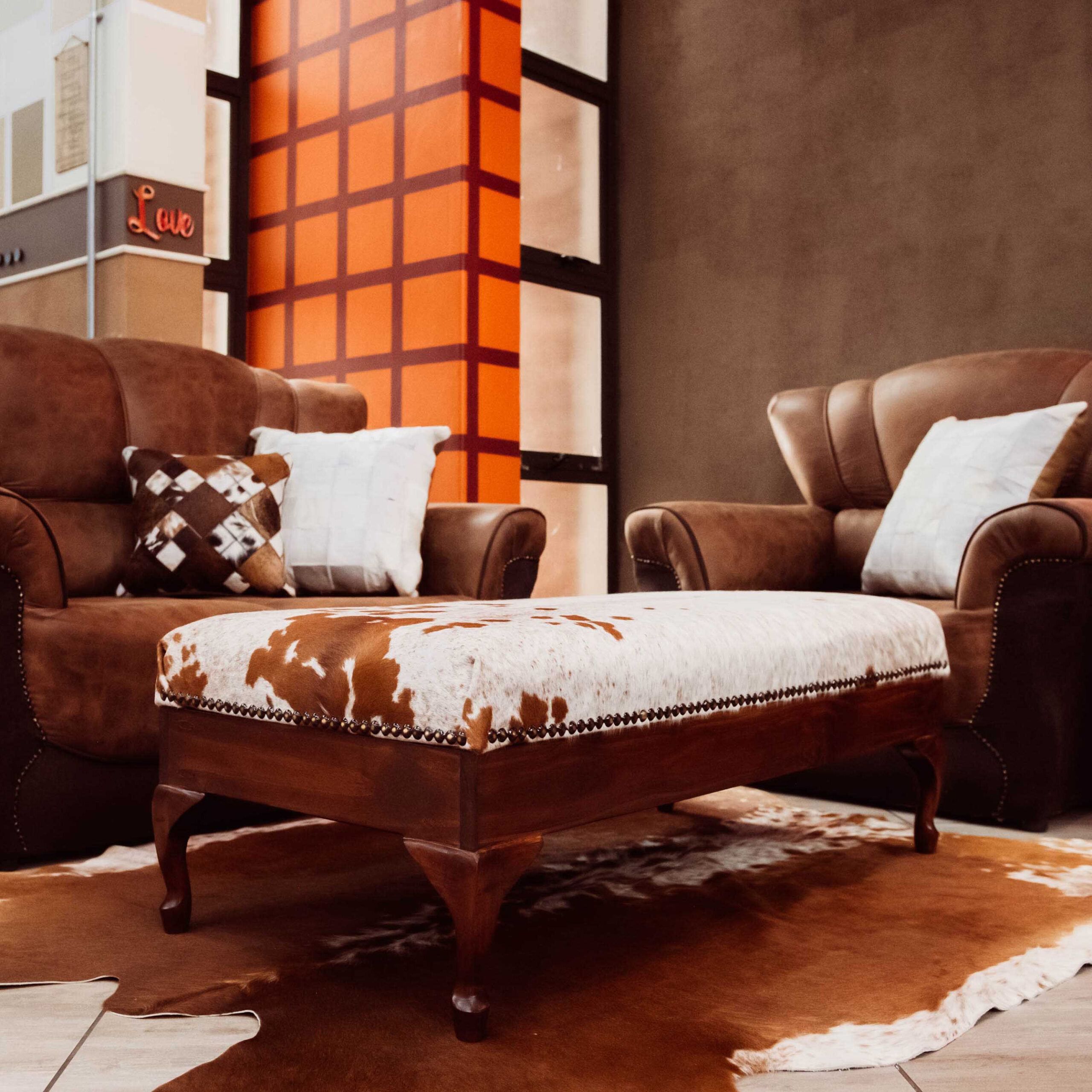
A dark brown or black leather sofa benefits from cream, tan and mixed-hide panels that prevent the setting from feeling heavy. Add a woven throw and a timber or Nguni ottoman nearby. If the ottoman carries a bold pattern, use fewer patterned cushions so both pieces can be appreciated.
8. Create a considered bed arrangement
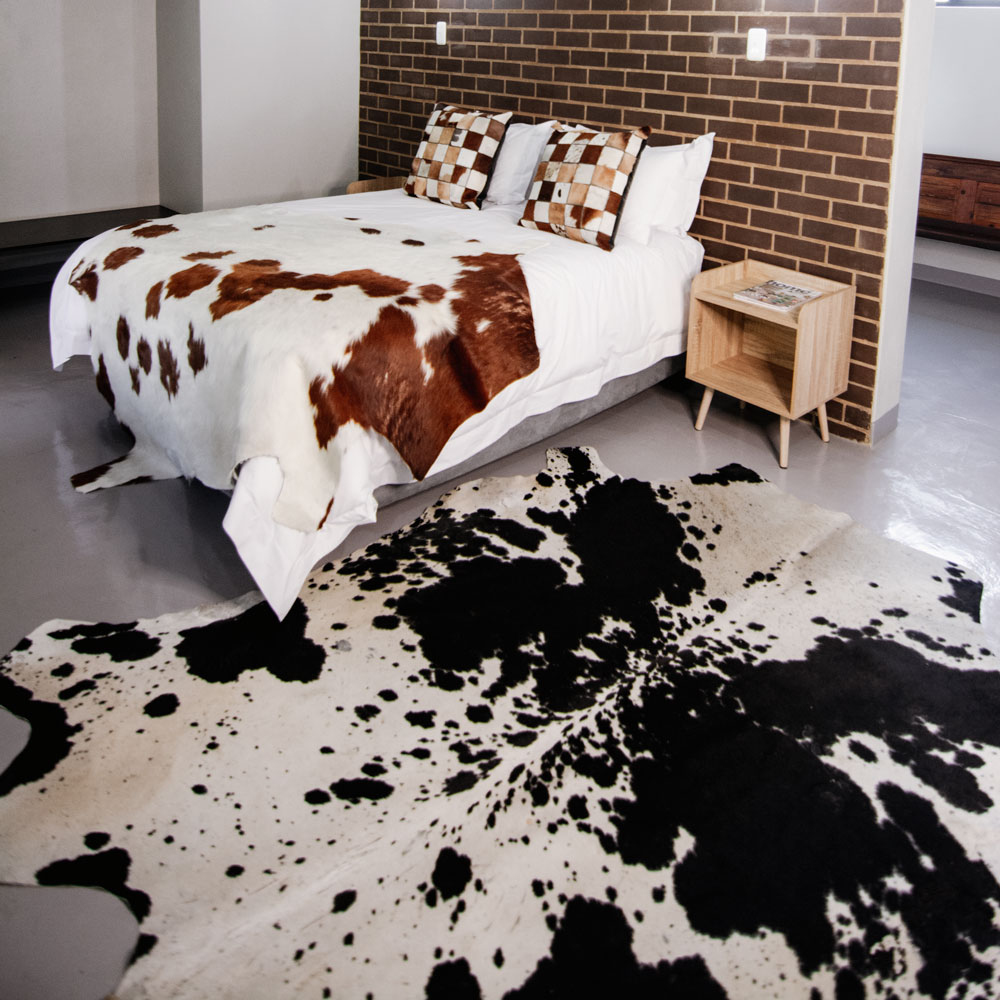
Keep sleeping pillows functional and use Nguni cushions as the front decorative layer. Two large neutral squares behind one long or medium Nguni accent create a clean composition. On patterned bedding, choose a quieter hide panel; on plain white or stone linen, a stronger black-and-white cushion can become the focal point.
9. Rotate and care for the display
Rotate cushions so one area does not receive all the pressure or sunlight. Brush the hair gently in its natural direction and blot spills promptly with a clean absorbent cloth. Do not soak the hide panel or put it in a washing machine. Check the care label for the backing and insert, and ask for specialist guidance before treating an unknown stain.
- Keep sharp jewellery and rough fasteners away from the hair-on-hide surface.
- Do not place a genuine hide panel outdoors or in persistent damp.
- Use removable inserts so covers can be handled and stored more easily.
- Store clean and dry, without crushing the hair for long periods.
- Choose everyday positions that do not require constant folding.
How many Nguni cushions should you use?
There is no fixed number. A single Nguni cushion can transform a chair; two can balance a large sofa; three may work across a long sectional when each has enough space. Count the other strong patterns in the room before adding more. If the rug, artwork or curtains already command attention, let one cushion provide the South African accent.
Browse Nguni cushions from Home of Nguni and compare blocked, printed, full-skin and leather-frame options. For a coordinated room, pair them with a genuine Nguni hide or use the cushion as the only natural-pattern feature.
Frequently asked questions
Do Nguni cushions have identical patterns?
No. Genuine hair-on-hide varies naturally, so each panel has its own markings. Choose a shared colour family rather than expecting an exact repeat.
Can I wash a Nguni cushion cover?
Do not machine-wash or soak a genuine hide panel. Follow the product’s care instructions, brush gently and blot spills promptly.
How many cushions work on a three-seat sofa?
Start with three to five, depending on sofa depth and how the room is used. One or two Nguni accents are usually enough to lead the pattern.
Can Nguni cushions work in a modern interior?
Yes. Pair one graphic natural pattern with simple upholstery, restrained colours and clean-lined furniture for a contemporary result.
Build the room around one authentic detail
The best arrangements treat Nguni cushions as authentic material, not a repeating print. Choose one hero panel, vary the cushion scale, repeat colour elsewhere and give the pattern room to breathe. The result feels collected, comfortable and unmistakably connected to South African craftsmanship.