
Nguni Home Decor: 5 Authentic South African Ideas
Nguni home decor brings natural pattern, South African character and useful texture into a room. The best results come from choosing one authentic focal piece, measuring it carefully and allowing its unique markings to guide the surrounding colours. This guide focuses on genuine products available from Home of Nguni: hides, carpets, cushions and ottomans made for real homes rather than generic decorative trends.
No two Nguni hides carry exactly the same pattern. That variation is the reason a cushion, carpet or ottoman can feel personal without making a room look themed. Use these five practical ideas to plan a balanced interior, compare product formats and choose a piece that fits your space.
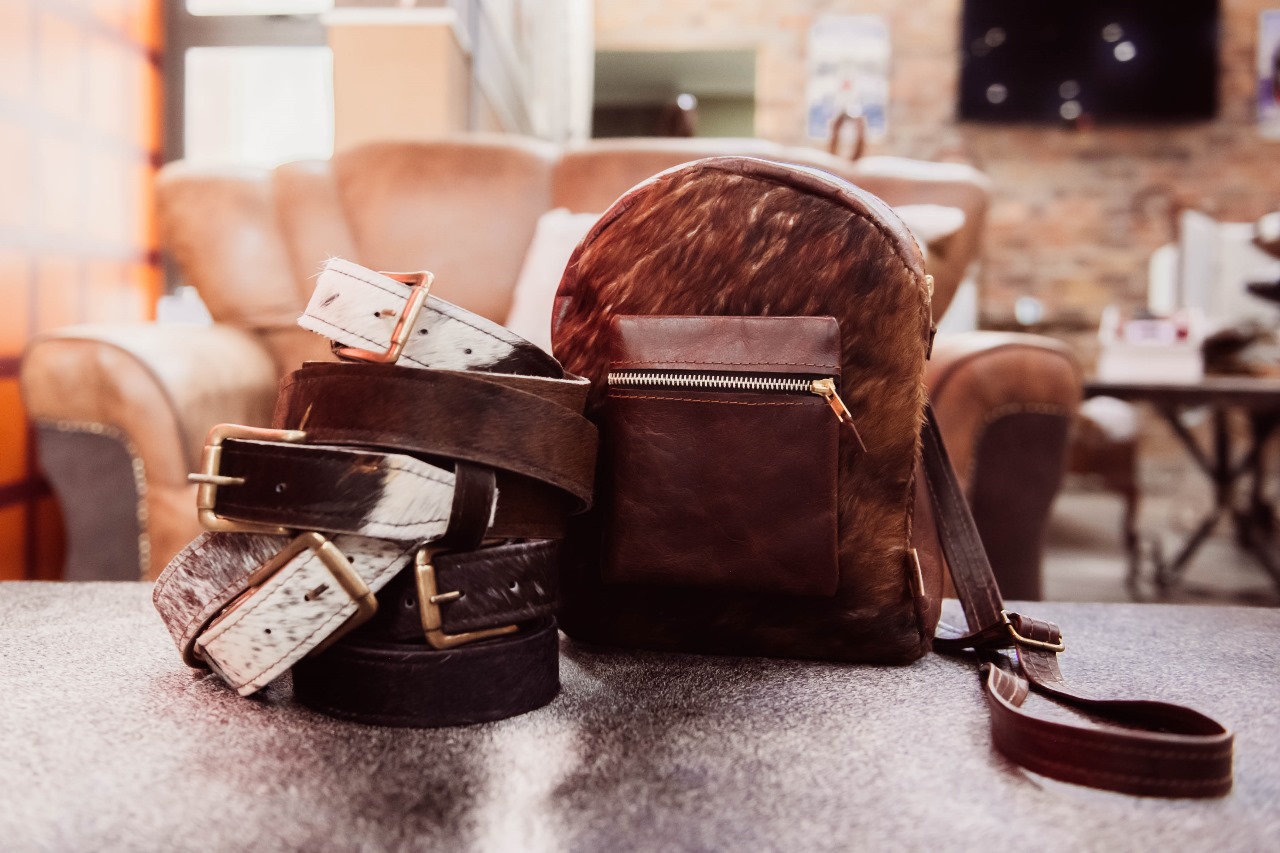
5 authentic Nguni home decor ideas
1. Build the room around one genuine Nguni hide
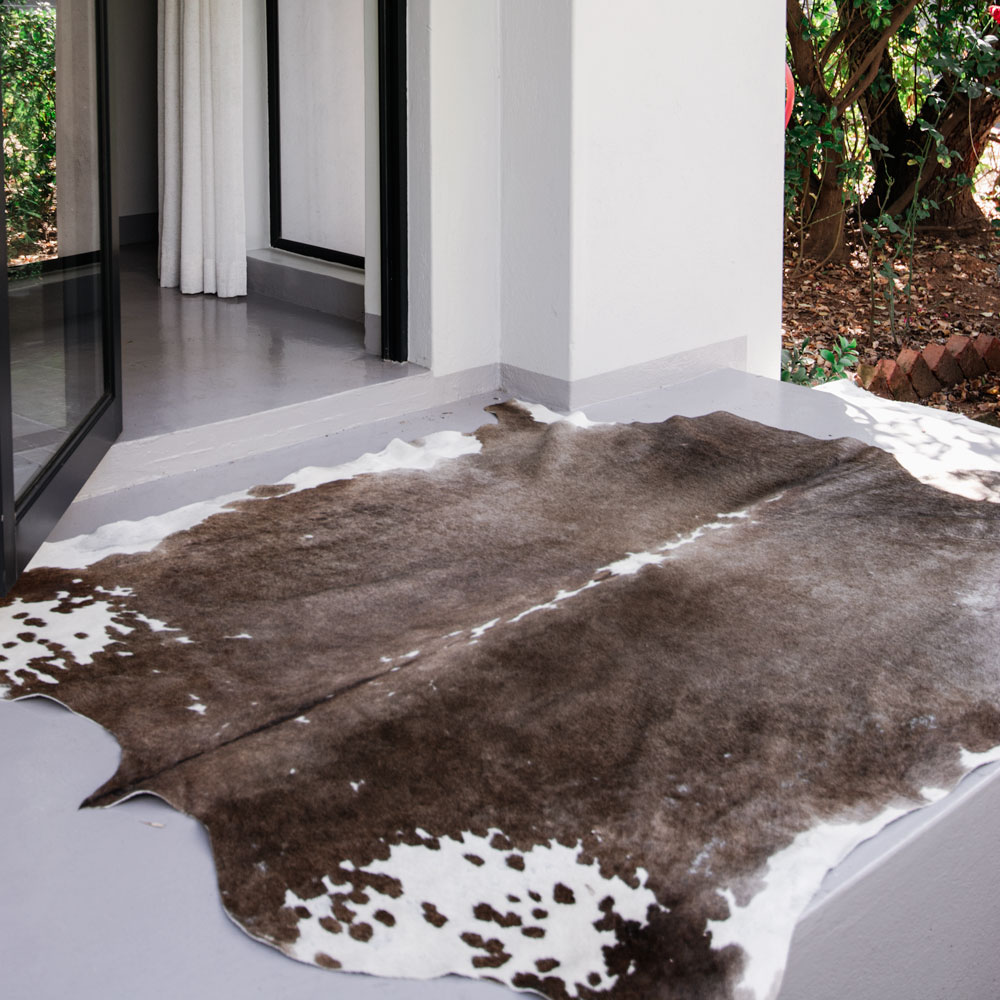
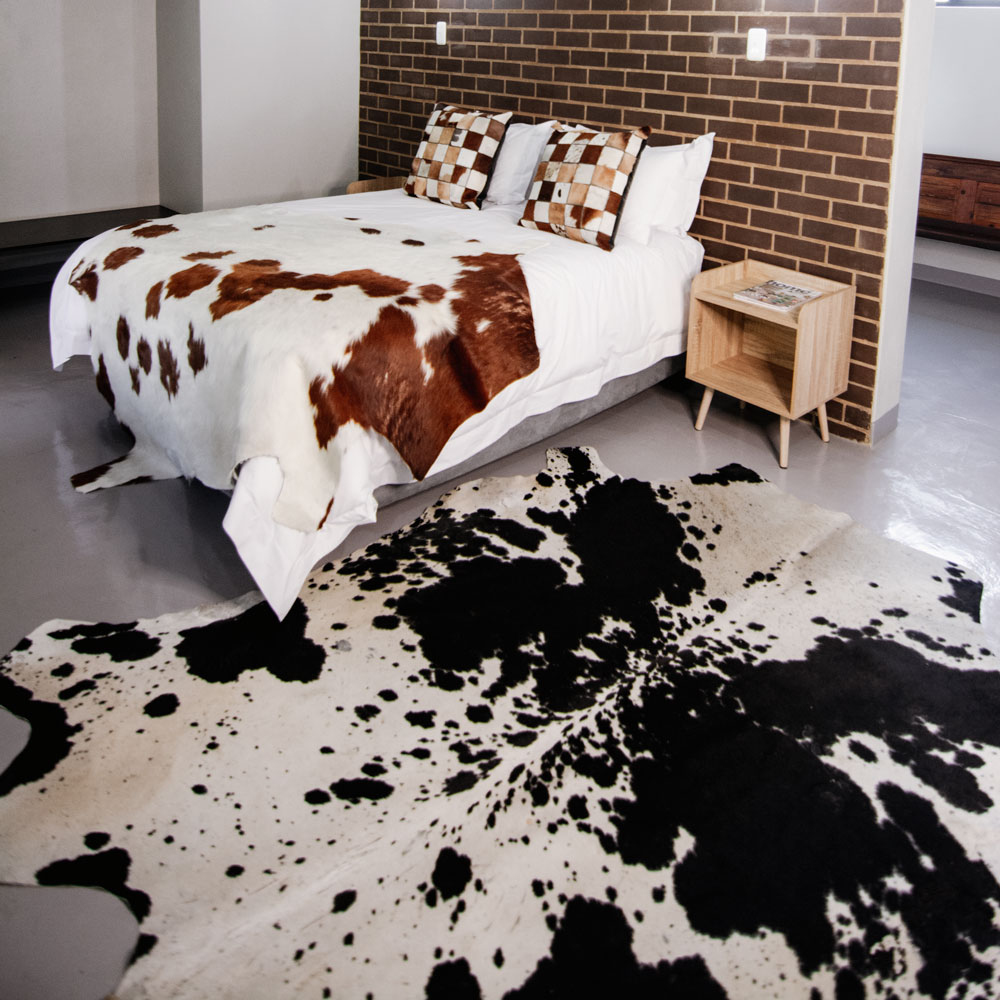
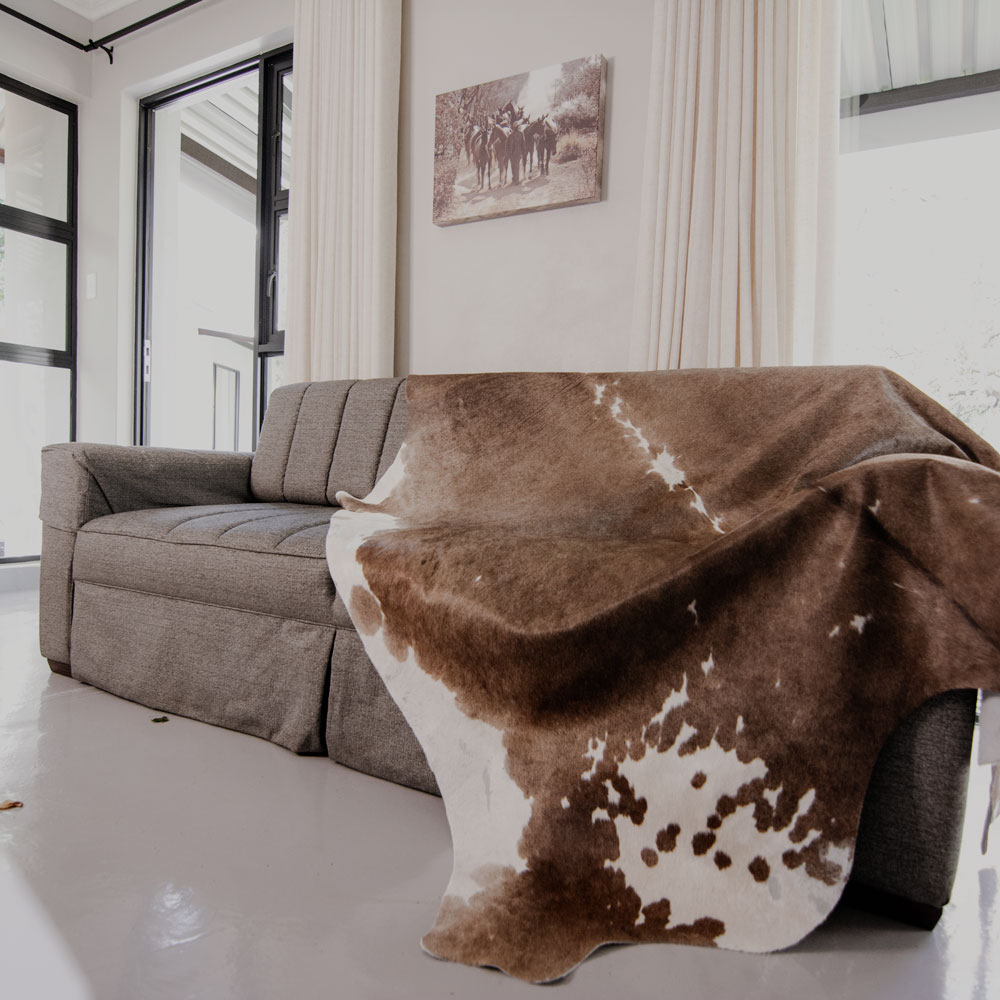
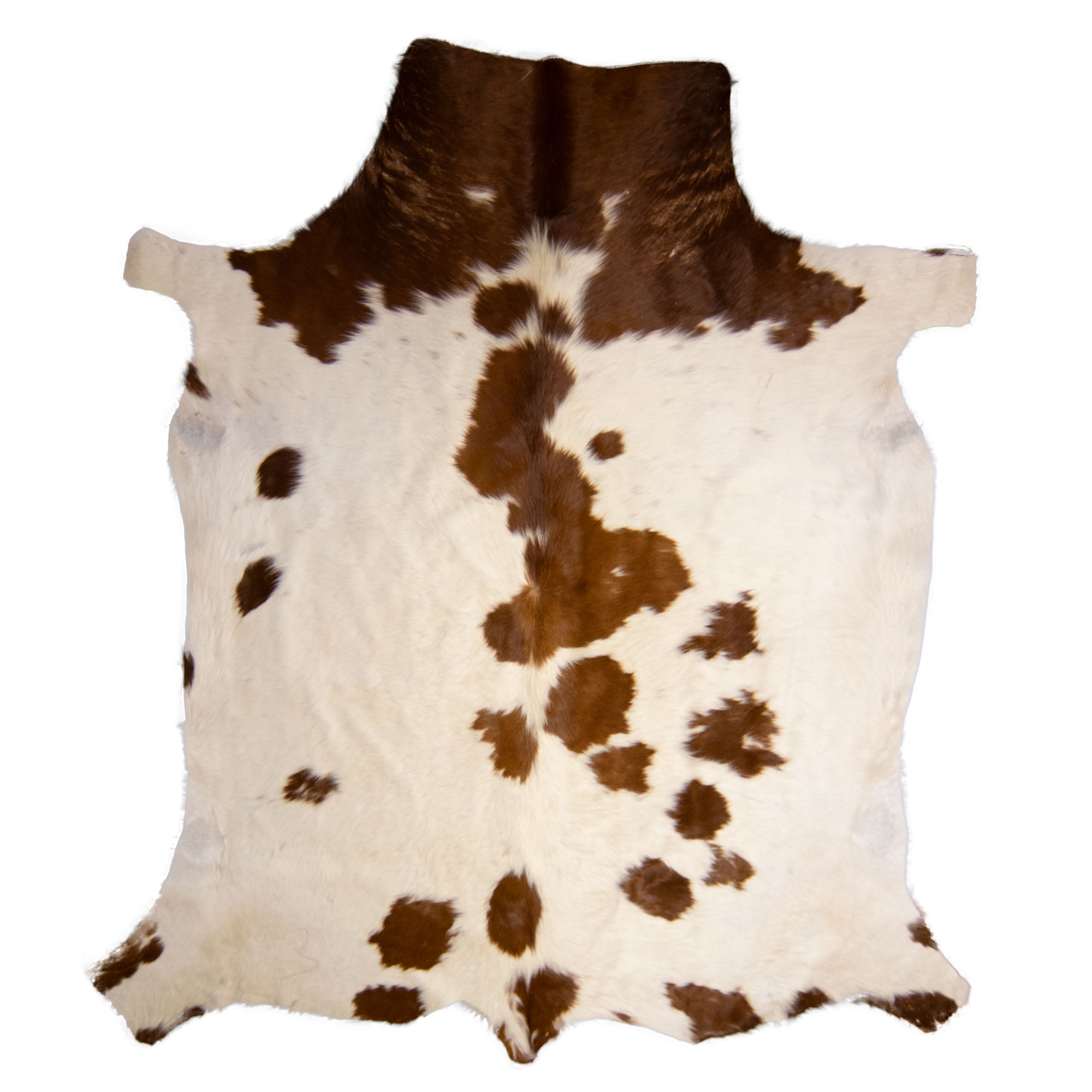
A full hide creates an organic focal point because it keeps its natural outline and individual markings. Place it at a slight angle beneath a coffee table, beside a bed or in an open area where the complete silhouette remains visible. Before buying, mark the longest and widest dimensions on the floor with painter’s tape. This makes it easier to judge the scale around sofas, doors and walking routes.
Black-and-white hides suit crisp contemporary rooms, while brown, cream and brindle patterns add warmth beside timber, leather and woven materials. Browse the Nguni hide collection and use our genuine Nguni hide buying guide to compare quality, dimensions and natural markings.
2. Add texture with Nguni cushions
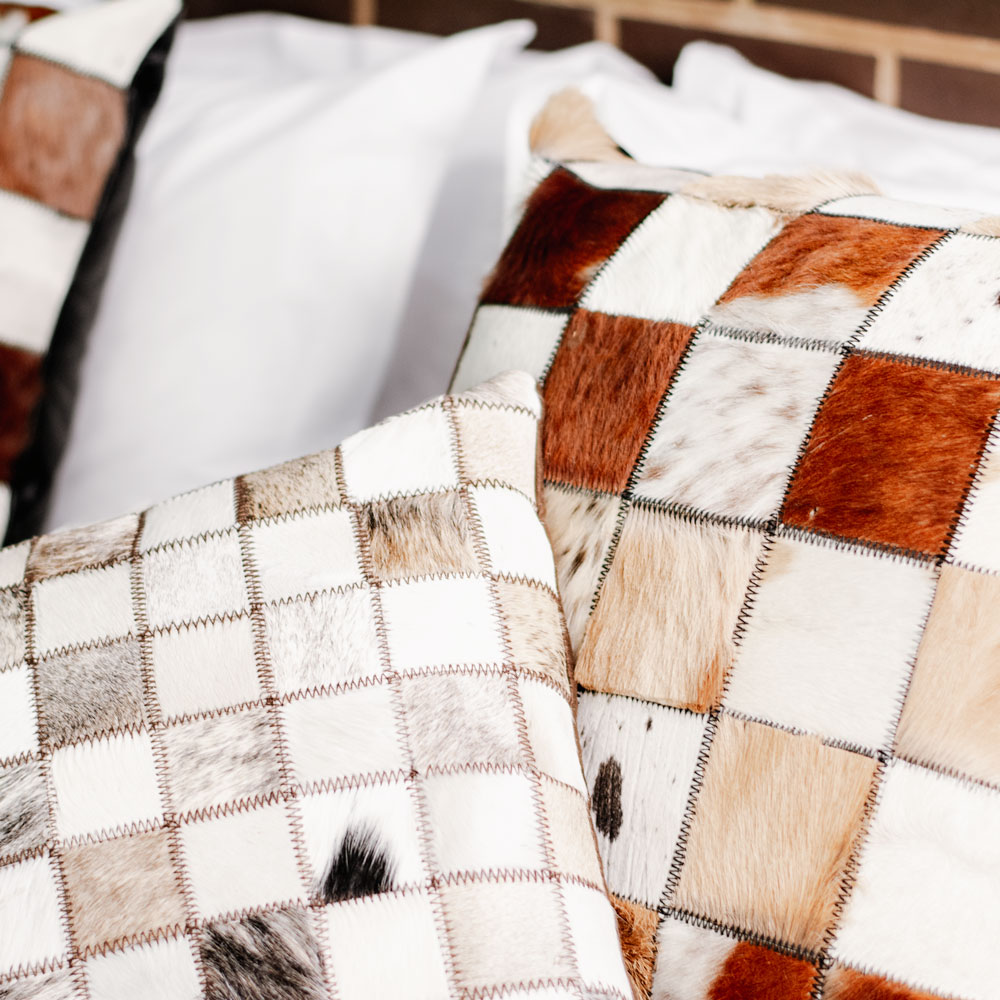
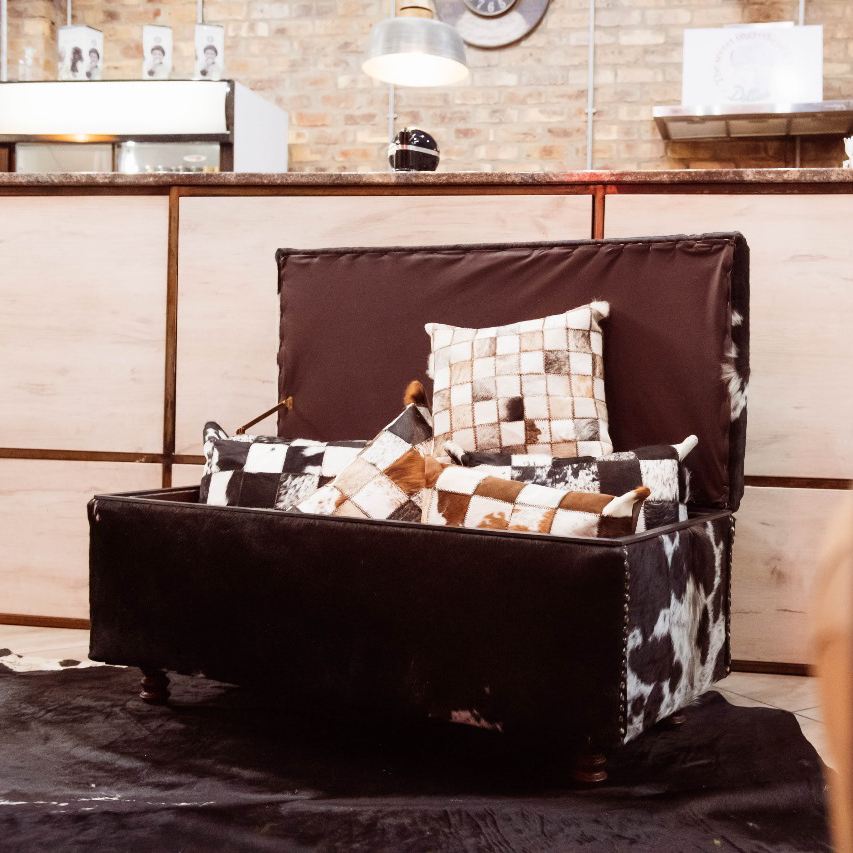
Cushions are an approachable way to introduce Nguni home decor when a full hide would be too large. Use one or two patterned cushions on a plain sofa, occasional chair or bed. Repeating a colour already present in the hide—black, cream, brown or warm tan—helps the cushion feel connected to the rest of the room.
Avoid filling every seat with a different bold pattern. One genuine hide panel beside plain linen, wool or leather cushions usually creates a more considered result. Explore the Nguni cushion collection and remember that the exact markings will vary naturally.
3. Define a seating area with a blocked carpet
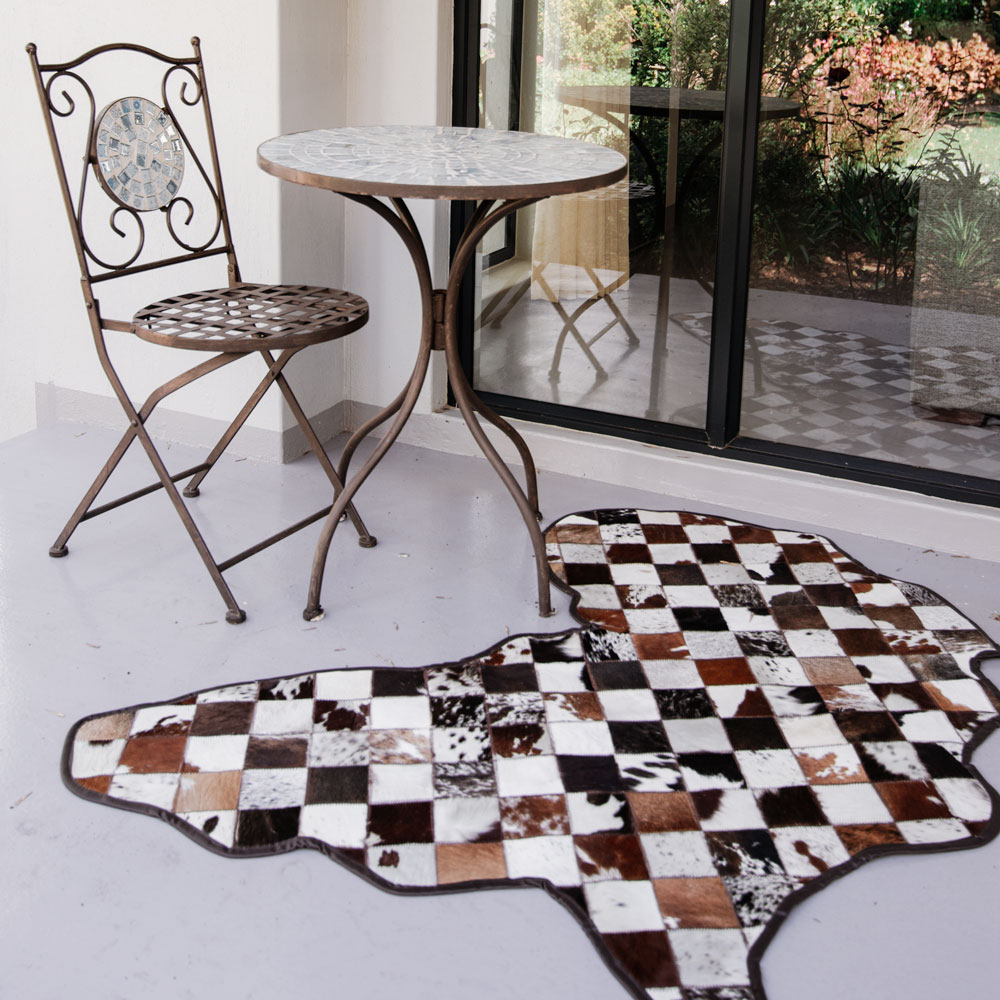
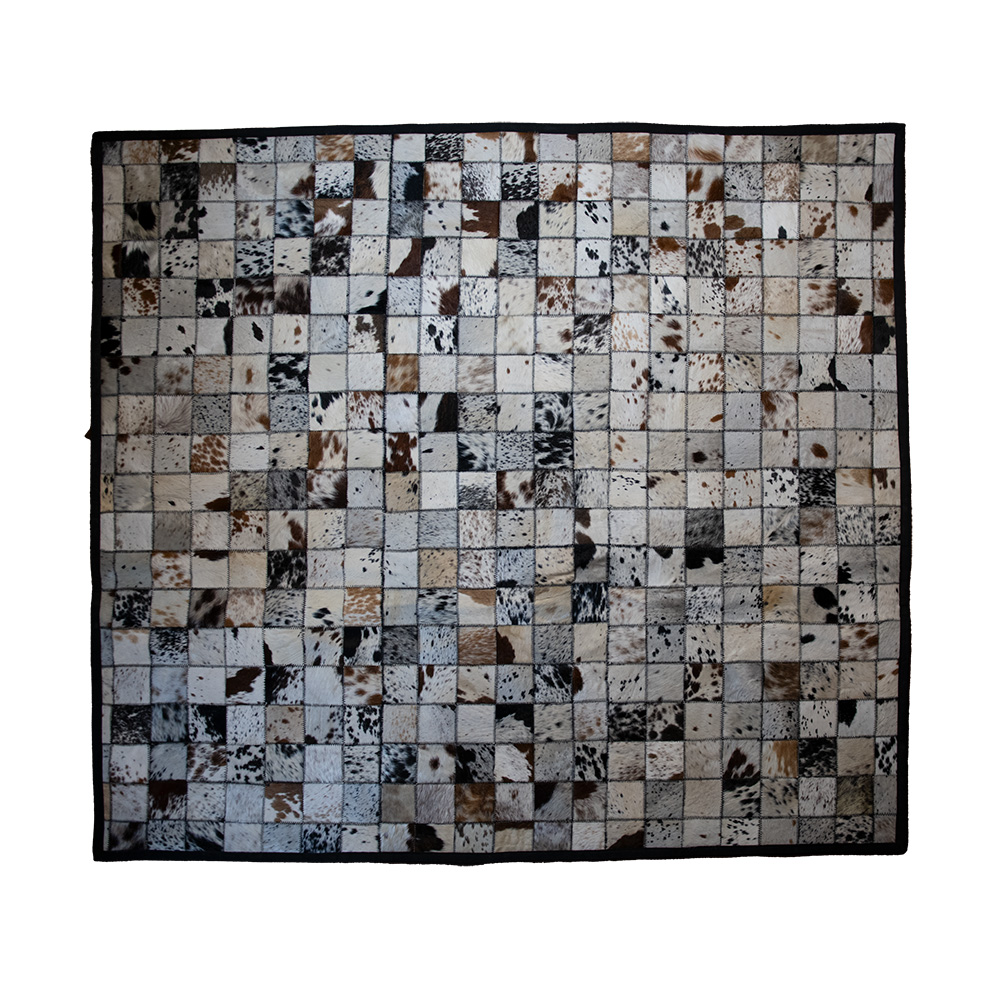
A blocked Nguni carpet uses selected hide panels to create a regular shape. It is useful when a room needs a clear rectangular anchor beneath a coffee table, dining table or entrance arrangement. The geometric construction feels more architectural than a full hide while retaining natural colour and hair-on-hide texture.
Measure the complete furniture grouping rather than the table alone. In a living room, the carpet should relate to the sofa and chairs; in a dining room, allow enough room for chairs to move without repeatedly catching an edge. Compare the different formats in our guide to a cow hide rug versus a blocked carpet.
4. Use an Nguni ottoman as a functional accent
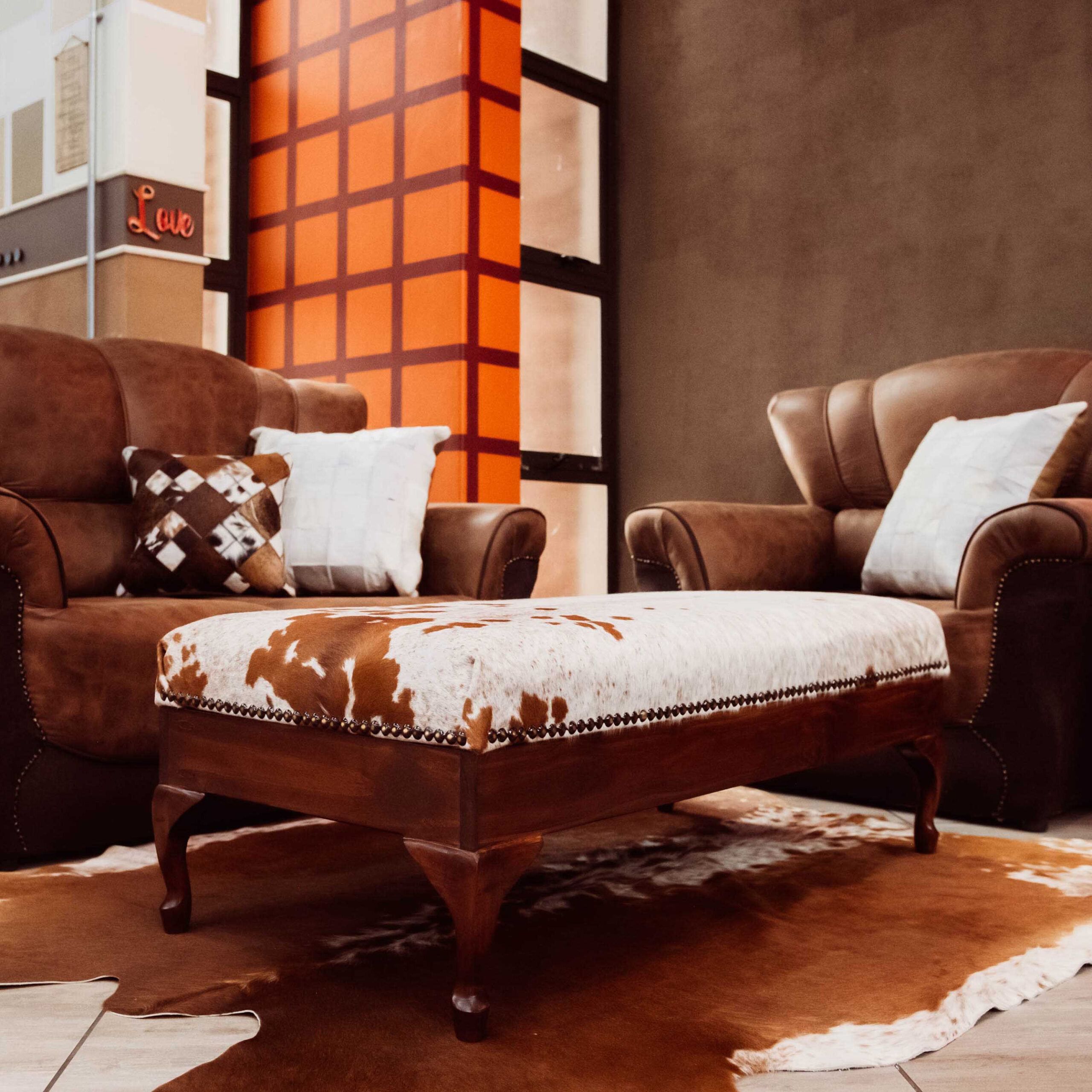
An ottoman combines pattern with a practical surface. It can serve as extra seating, a footrest or a compact focal point beside a neutral sofa. Because the hide is closer to eye level than a floor covering, the pattern becomes especially visible. Leave enough clear space around it so that the piece can be moved without scraping nearby furniture.
Choose a shape that repeats another line in the room. A round or softly edged ottoman can balance a rectangular coffee table, while a structured form suits a more formal layout. View the Nguni ottoman collection for available formats.
5. Repeat colour, not pattern, across the room
The simplest way to make Nguni home decor feel cohesive is to repeat its colours in quieter materials. Pull cream into curtains, black into a lamp or picture frame, and warm brown into timber or leather. This creates a visual link without copying the hide pattern throughout the room.
Natural materials work particularly well: timber, linen, wool, clay and plain leather support the texture of hair-on-hide. Keep the largest permanent items fairly calm, then let the naturally unique piece provide contrast and movement.
Which Nguni decor format suits your room?
| Product | Best for | Planning tip |
|---|---|---|
| Full Nguni hide | Organic floor focal point | Measure the longest and widest points |
| Nguni cushion | Small, flexible pattern accent | Pair with plain supporting cushions |
| Blocked carpet | Defined seating or dining zone | Measure furniture movement as well as floor space |
| Nguni ottoman | Functional statement furniture | Leave enough clearance to move around it |
How to recognise an authentic, well-finished piece
- Natural variation: expect each pattern to be individual rather than perfectly repeated.
- Clear photographs: confirm whether an online image shows the exact product or a representative example.
- Useful dimensions: ask for maximum width and length on irregular hides.
- Stable hair and supple leather: avoid severe shedding, brittle backing or undisclosed repairs.
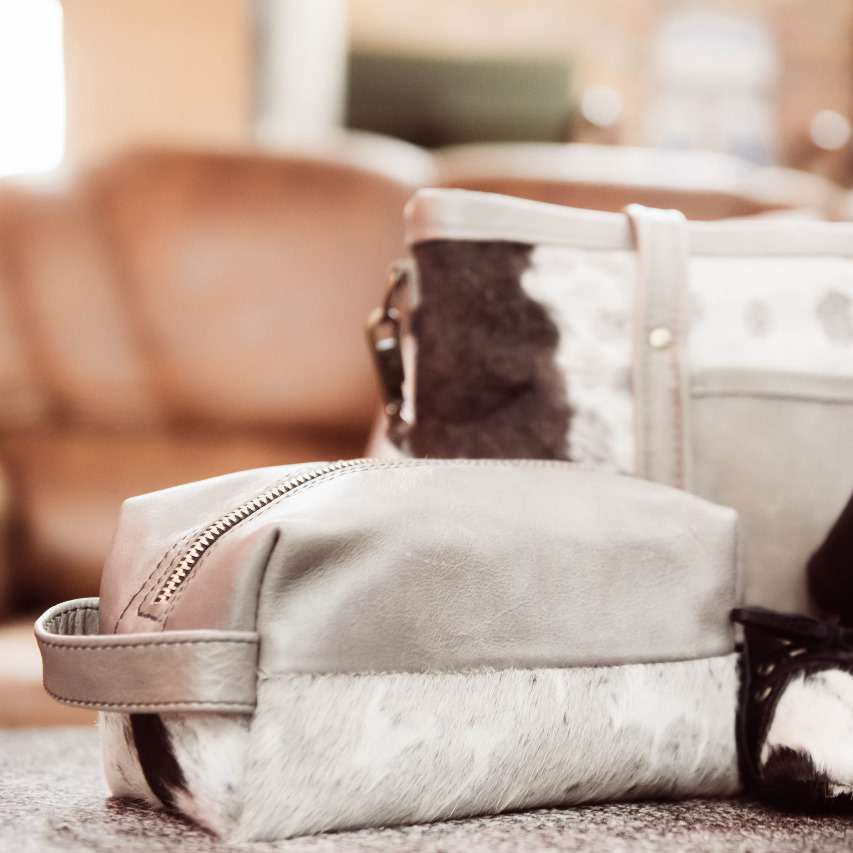
- Neat construction: seams, corners, zips and backing should suit the product’s intended use.
- Care guidance: a responsible seller should explain how to clean and place hair-on-hide.
The distinctive markings of Nguni cattle are part of a wider South African cultural and agricultural history. Research preserved by the University of KwaZulu-Natal provides useful context for the breed’s heritage. In an interior, respecting that natural variation means selecting a genuine piece for its individual character rather than expecting factory-style repetition.
Care for Nguni home decor gently
Shake or vacuum hair-on-hide gently in the direction of the hair, using low suction and no rotating brush. Blot spills promptly with an absorbent cloth and avoid soaking, steam cleaning, bleach or ordinary carpet shampoo. Rotate floor pieces occasionally to share sunlight and foot traffic. Our detailed guide explains how to clean Nguni rugs safely.
Frequently asked questions
Does every Nguni hide have a different pattern?
Yes. Natural markings vary from hide to hide, so photographs and exact dimensions are important when choosing a specific piece.
Can Nguni decor work in a modern home?
Yes. Use one patterned focal piece with clean furniture lines, neutral textiles and simple natural materials for a contemporary result.
Is a full hide or a blocked carpet easier to place?
A blocked carpet has a predictable rectangular footprint. A full hide offers a more organic outline. The better choice depends on furniture placement and the walking path.
How much Nguni pattern should one room contain?
Begin with one main piece and repeat its colours in quieter materials. This usually feels more balanced than using several competing hide patterns.
Choose one authentic piece and let it lead
Successful Nguni home decor is not about filling a room with pattern. Choose the format that solves a practical need, measure it carefully and let its individual markings guide the palette. A genuine hide, cushion, carpet or ottoman can then become a useful part of the home as well as a distinctive South African focal point.