
Nguni Skin: 7 Essential Facts Before You Buy
Contents
An authentic Nguni skin is valued for its individual markings, natural outline and connection to southern African cattle. The term may describe a complete prepared hide or a hair-on-hide panel used in a crafted product, so buyers should confirm exactly what a listing includes. These seven essential facts explain variation, measurement, colour, backing, placement, care and how to compare a full hide with smaller Nguni accessories.

What the term Nguni skin means in a product listing
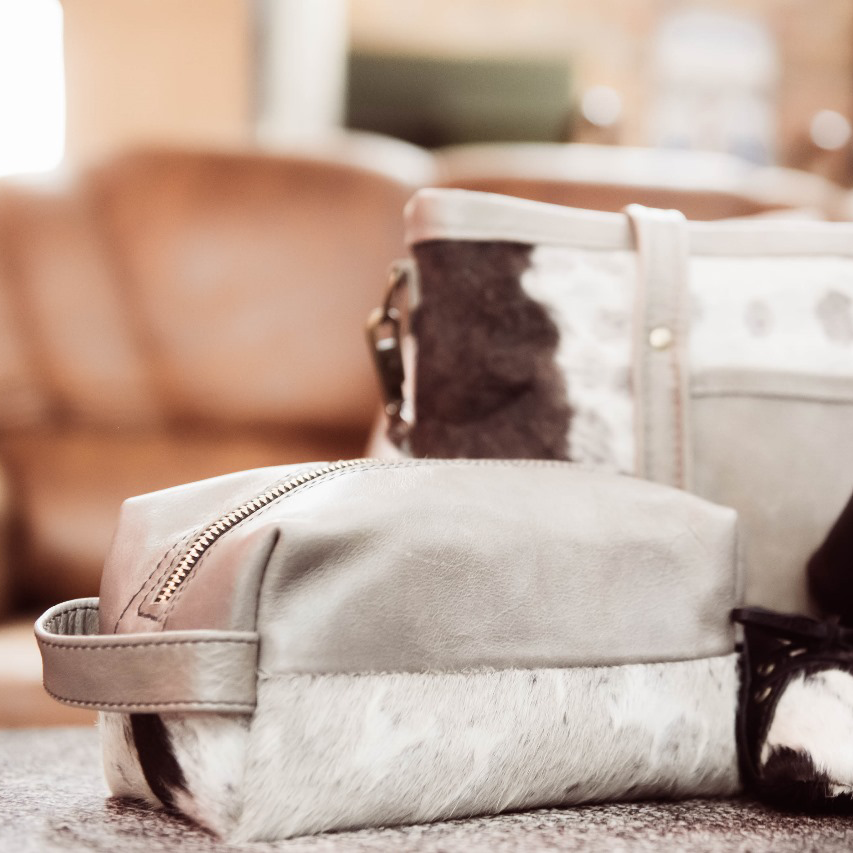
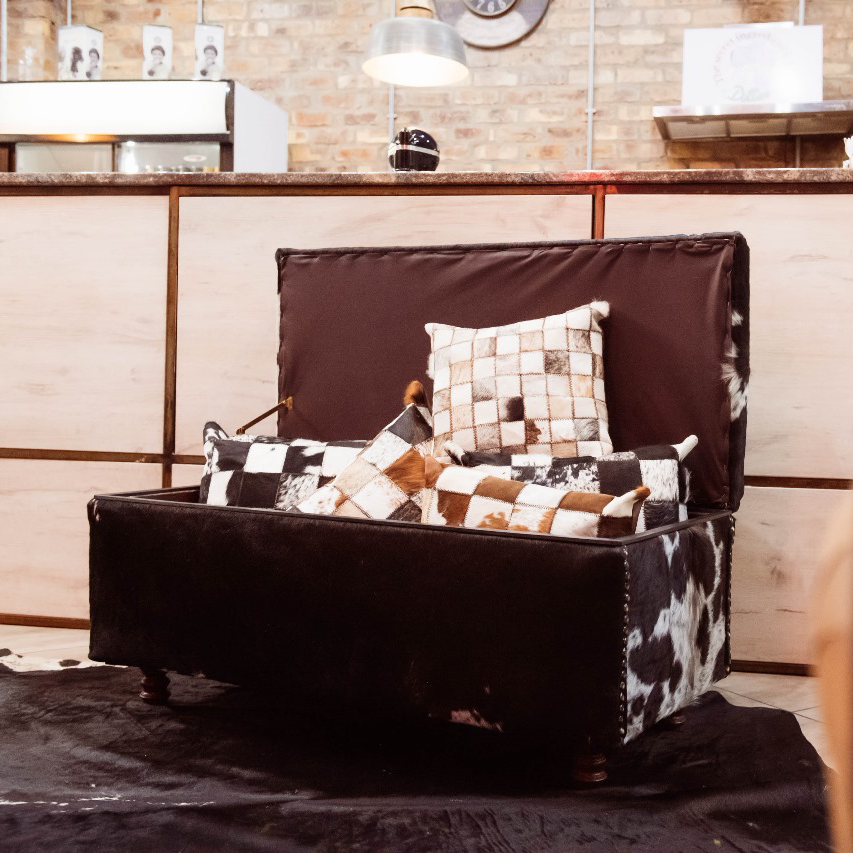
On Home of Nguni, a complete hide is available through the Nguni hides product, while hair-on-hide panels also appear on bags, wallets, cushions and footwear. Read the product title, dimensions and photographs carefully so you know whether you are choosing a full floor piece or a crafted article.
The general history of Nguni cattle describes a southern African breed group known for colour variation. That background helps explain the patterns, but it does not replace product-specific information about preparation, dimensions, finish or supply.
1. Every Nguni skin has individual natural markings
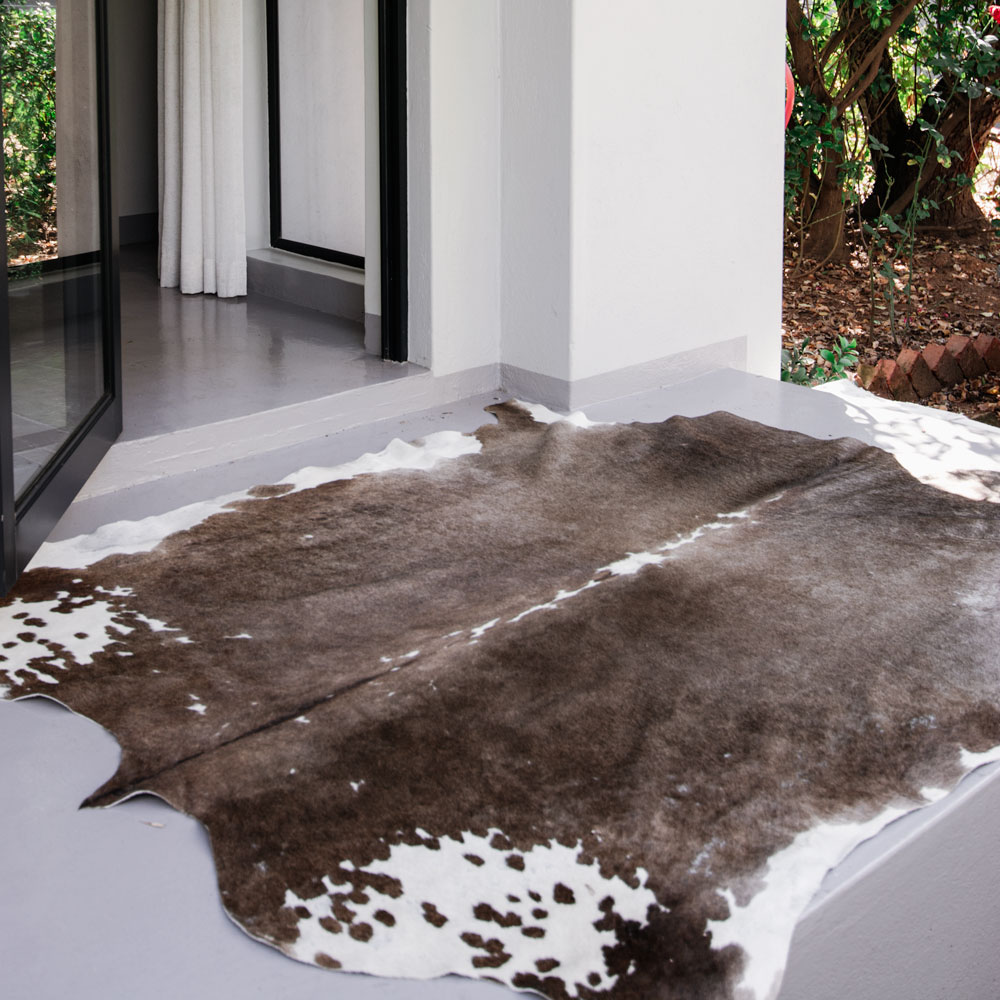
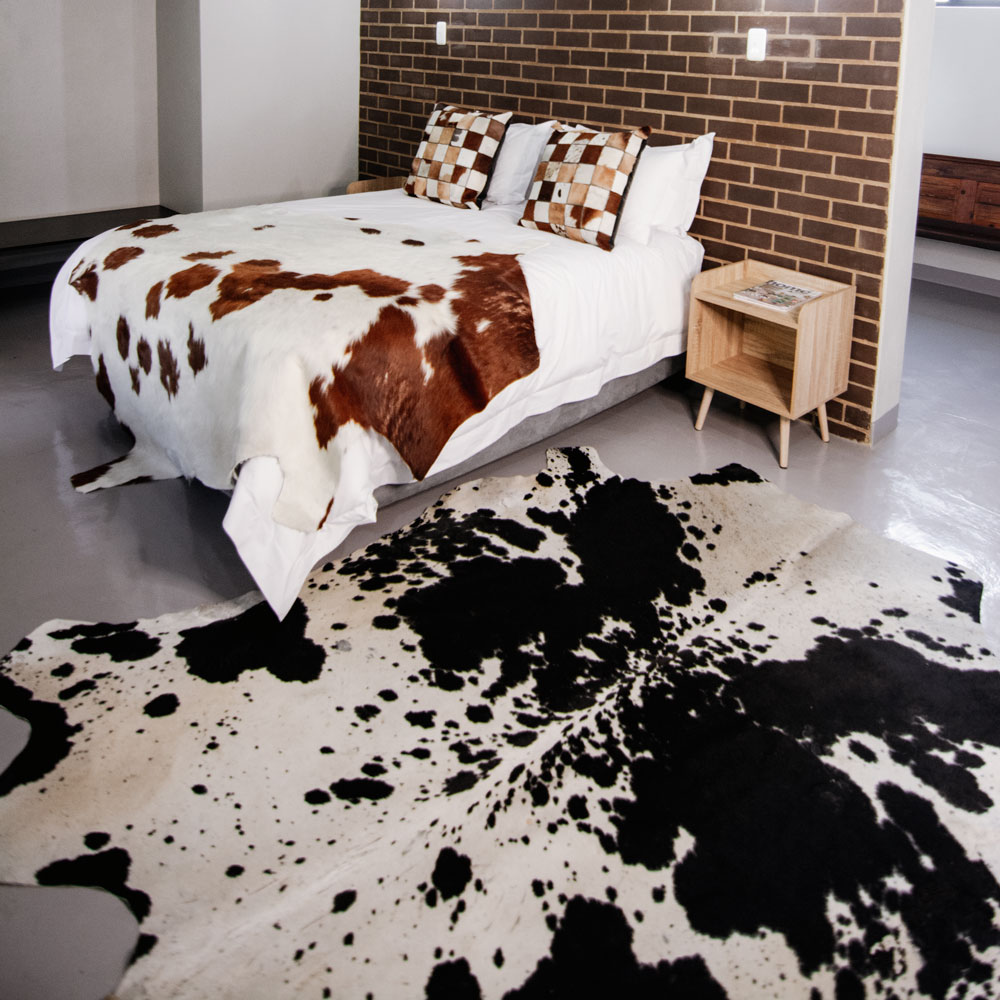
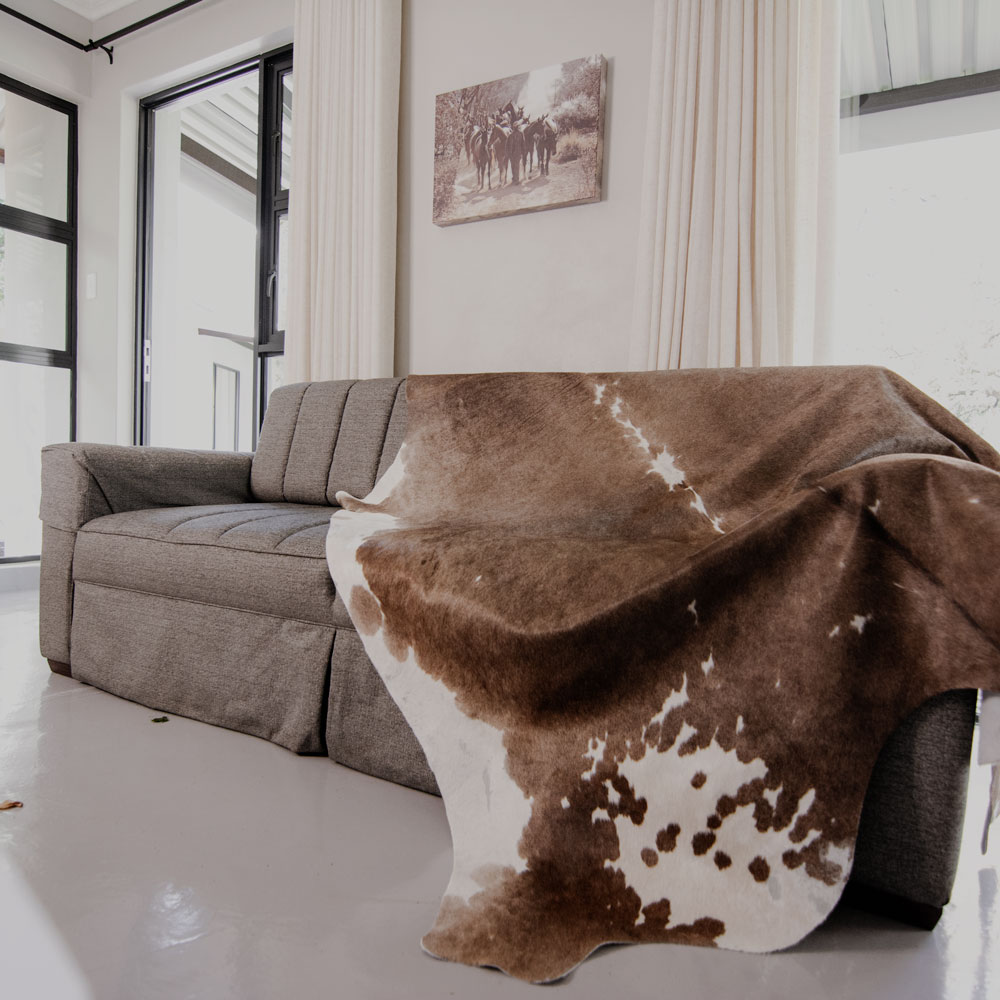
Patches, speckles, gradients and streaks differ from one hide to another. Two pieces described as brown-and-white may have completely different visual weight. Ask whether the photograph shows the exact item and request current images when colour placement matters. Variation is expected in genuine natural material and should be considered during design, not treated as a factory inconsistency.
2. Hide, skin, cowhide and rug are often used differently
Retail language is not perfectly consistent. Cowhide and hide commonly refer to the full prepared piece, while skin can refer either to that complete piece or to material used in another product. Rug describes the intended floor use. Focus on the actual dimensions, backing, finish and construction rather than relying on one word in isolation.
3. Natural outlines require maximum dimensions
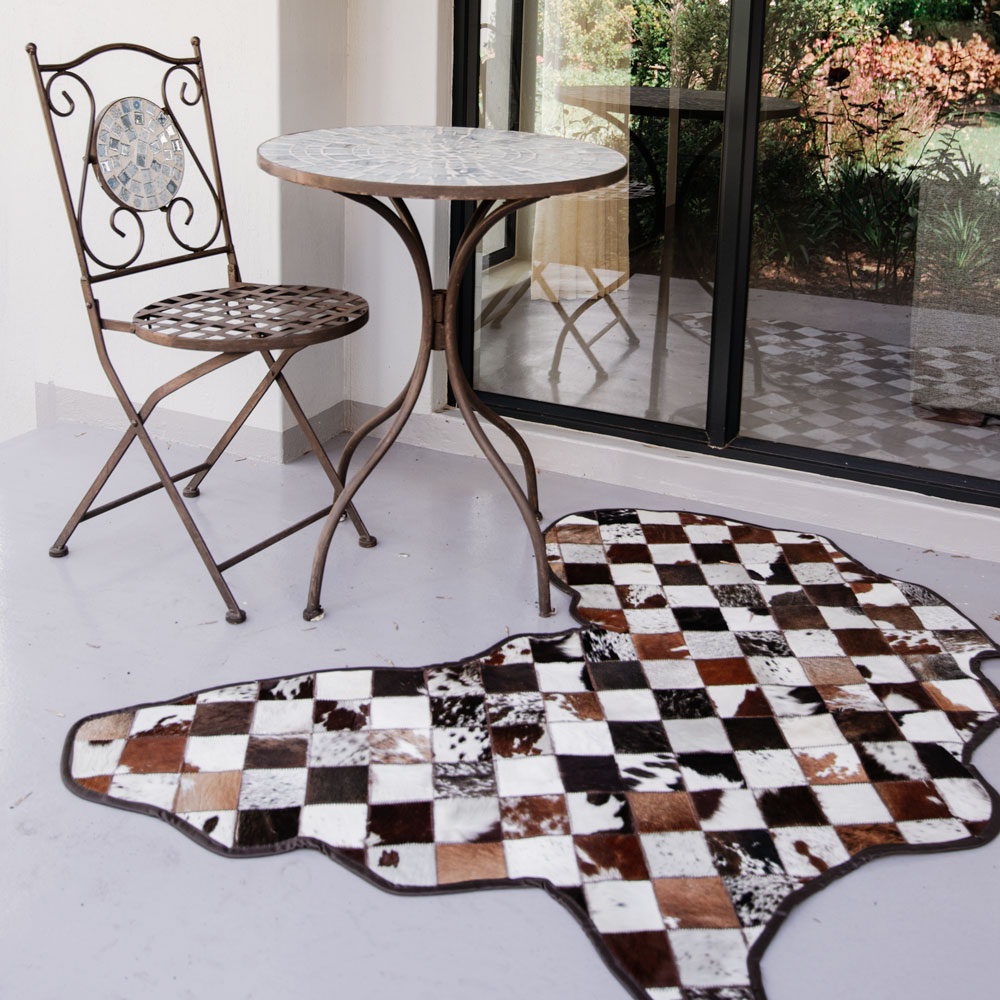
A full hide is not rectangular. Measure the greatest length and width, then compare the photograph to the planned floor or wall. Mark the shape with tape or paper and leave space around irregular legs and edges. Our Nguni hide size guide explains room-by-room measuring in more detail.
- Record maximum length and width.
- Check door and furniture clearance.
- Plan the narrow waist as well as the broad centre.
- Keep thin edges out of busy walkways.
- Confirm the exact piece shown in photographs.

4. Colour names describe families, not repeated swatches
Black-and-white, brown, cream, brindle and tricolour are useful starting points, but they cannot describe every marking. Screen brightness and photography change perception. Compare the exact Nguni skin in natural-looking light and decide whether the piece should contrast with the floor or blend with furniture and timber.
5. Backing and edge condition matter as much as the hair
For a full hide, request clear photographs of the back and natural edge. The piece should relax comfortably on a dry surface without being forced. Small natural features differ from avoidable damage, so ask the seller to explain any mark that concerns you. On crafted products, inspect how hide panels meet leather seams and closures.
6. Placement changes the type of wear
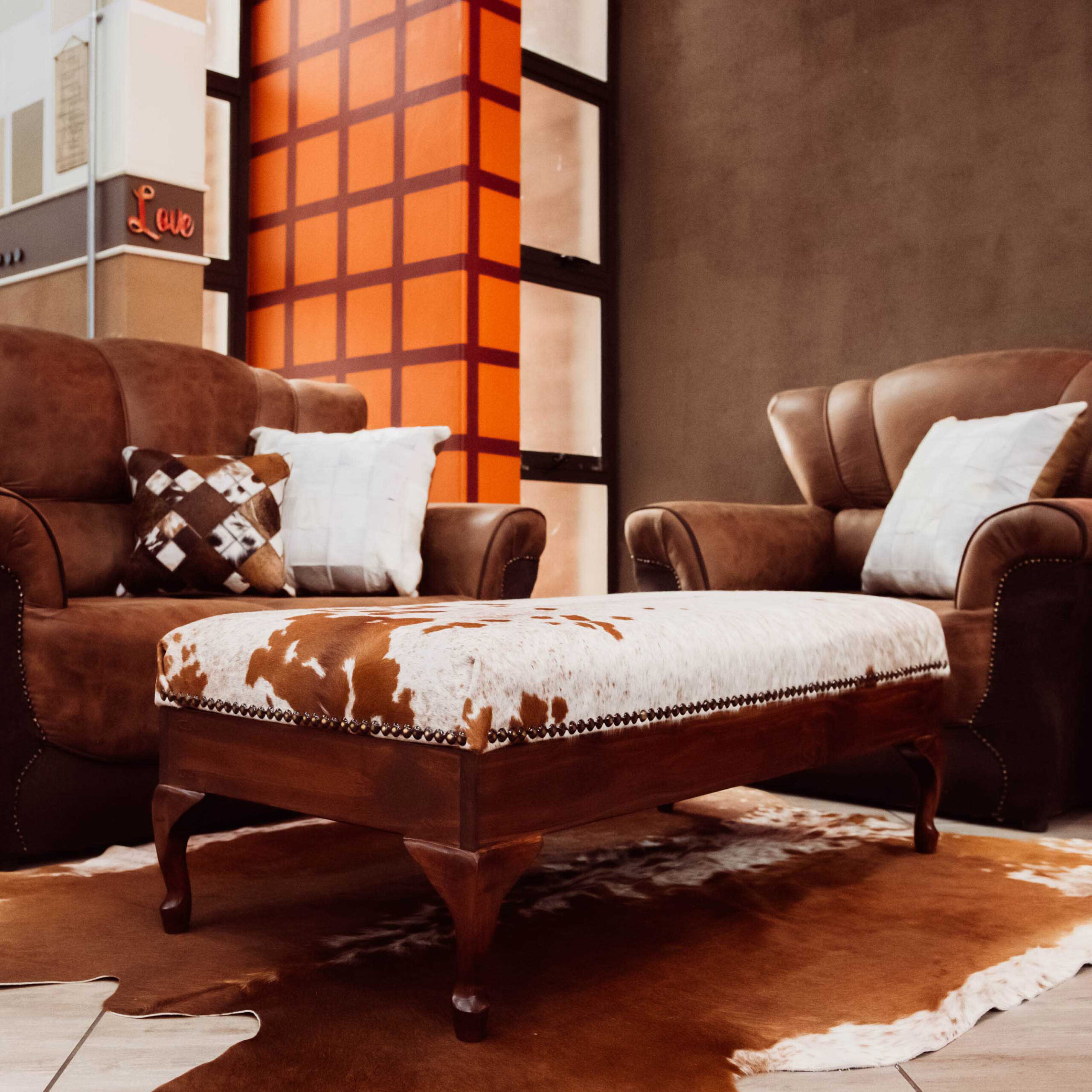
A wall display avoids foot traffic, while a lounge rug must handle walking and furniture. A bag receives repeated handling at seams and straps. A cushion carries body pressure. Choose the product and position according to the expected use, then follow the maker’s weight, cleaning and storage guidance instead of assuming every Nguni skin application needs the same care.
7. Gentle care protects hair direction and leather backing
Remove loose dust gently in the direction of the hair, respond to spills promptly and avoid soaking, harsh chemicals, strong heat and prolonged direct sun. For a floor piece, follow the detailed Nguni rug cleaning guide. For bags, the cowhide bag care guide covers storage and handling.
Nguni skin use and care comparison
| Use | Main selection check | Main care priority |
|---|---|---|
| Floor hide | Exact dimensions and backing | Traffic, dust and spill response |
| Wall display | Complete outline and fixing plan | Secure supports and light exposure |
| Bag | Panel placement and seam quality | Handling, storage and moisture |
| Wallet | Closure and compact panel | Avoid overfilling and abrasion |
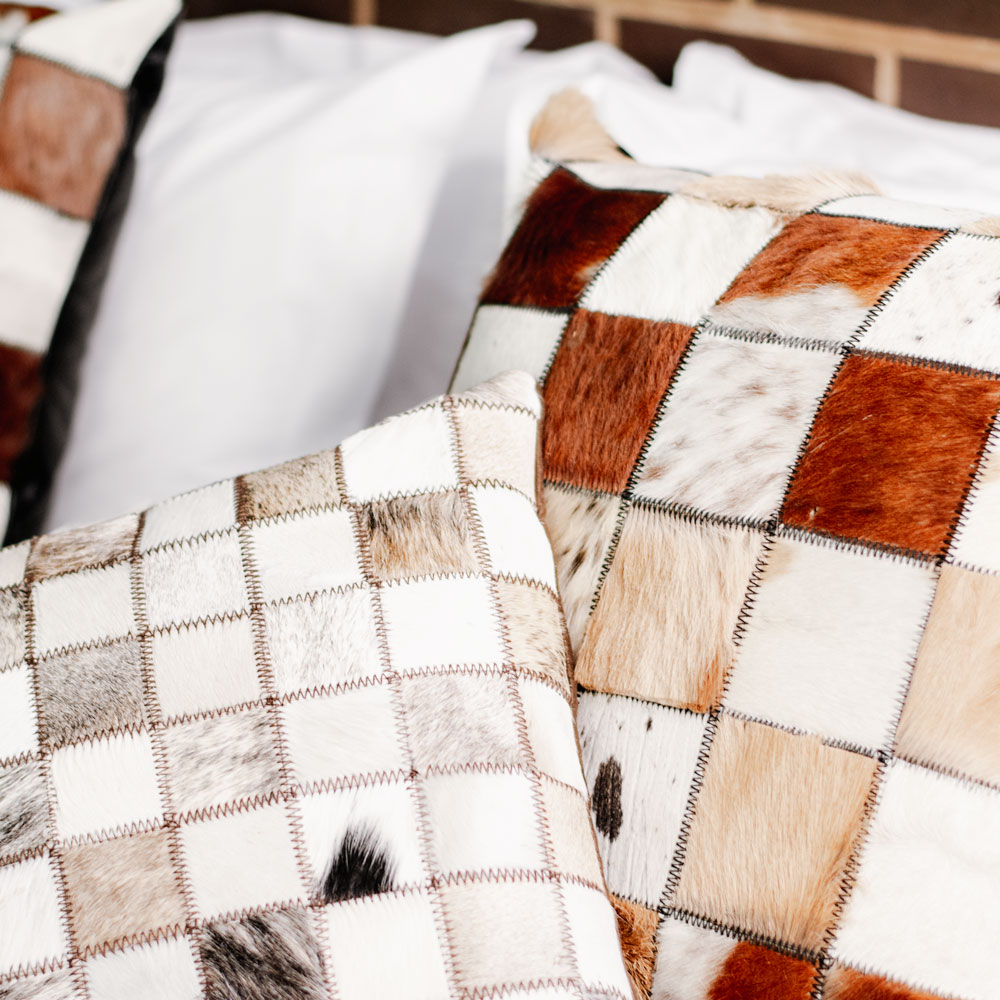
| Cushion | Panel feel and construction | Rotation and gentle surface cleaning |
Ask five questions before choosing the piece
Ask whether the photograph shows the exact item, what the maximum dimensions are, how the backing or lining is finished, which care method the maker recommends and what delivery or return terms apply. Clear answers reduce uncertainty and help you compare natural products fairly.
Use the piece’s intended job to narrow the selection. A full hide for a lounge needs the right outline and traffic plan; an Nguni skin panel on a tote needs strong seams and a comfortable handle. The natural pattern matters, but it should work with the product’s function.
- Clarify whether the listing is a full hide or crafted product.
- Request current photographs of the exact pattern.
- Measure maximum dimensions and irregular edges.
- Inspect backing, lining and seams as applicable.
- Match the product to expected traffic and handling.
- Read care instructions before use.
- Keep natural material away from damp, heat and harsh sun.

Frequently asked questions
Is Nguni skin the same as cowhide?
The terms may overlap in retail use. Confirm whether the listing describes a full prepared hide or a panel used in a crafted product.
Why do Nguni patterns vary?
They are natural cattle markings, so patches, speckles, gradients and colour balance differ from one piece to another.
Can Nguni skin be used on the floor?
A properly prepared full hide may be used as a rug in a suitable dry location with manageable traffic and correct care.
How do I know which size to buy?
Use the exact maximum length and width, then mark the irregular footprint in the intended room.
How should hair-on-hide be cleaned?
Remove dust gently in the hair direction, avoid soaking and follow the maker’s product-specific care instructions.
Compare the exact product, not only the material name
A genuine Nguni skin combines natural variation with a specific finished use. Confirm whether you are buying a full hide or crafted panel, examine current photographs, measure the real outline and understand the care requirements. Those seven facts make it easier to choose a piece whose individual South African character supports its function rather than distracting from it.