
Nguni Wallets: 7 Best Features to Check Before Buying
Nguni wallets bring the natural pattern of South African hide to an item used every day. The best choice must still organise cards, notes and coins comfortably, fit the intended pocket or bag, and use sound stitching and closures. This seven-point buying guide explains what to check before choosing a men’s or ladies wallet, how genuine hair-on-hide differs from a printed pattern, and how to care for the finished piece.
What makes genuine Nguni wallets different?
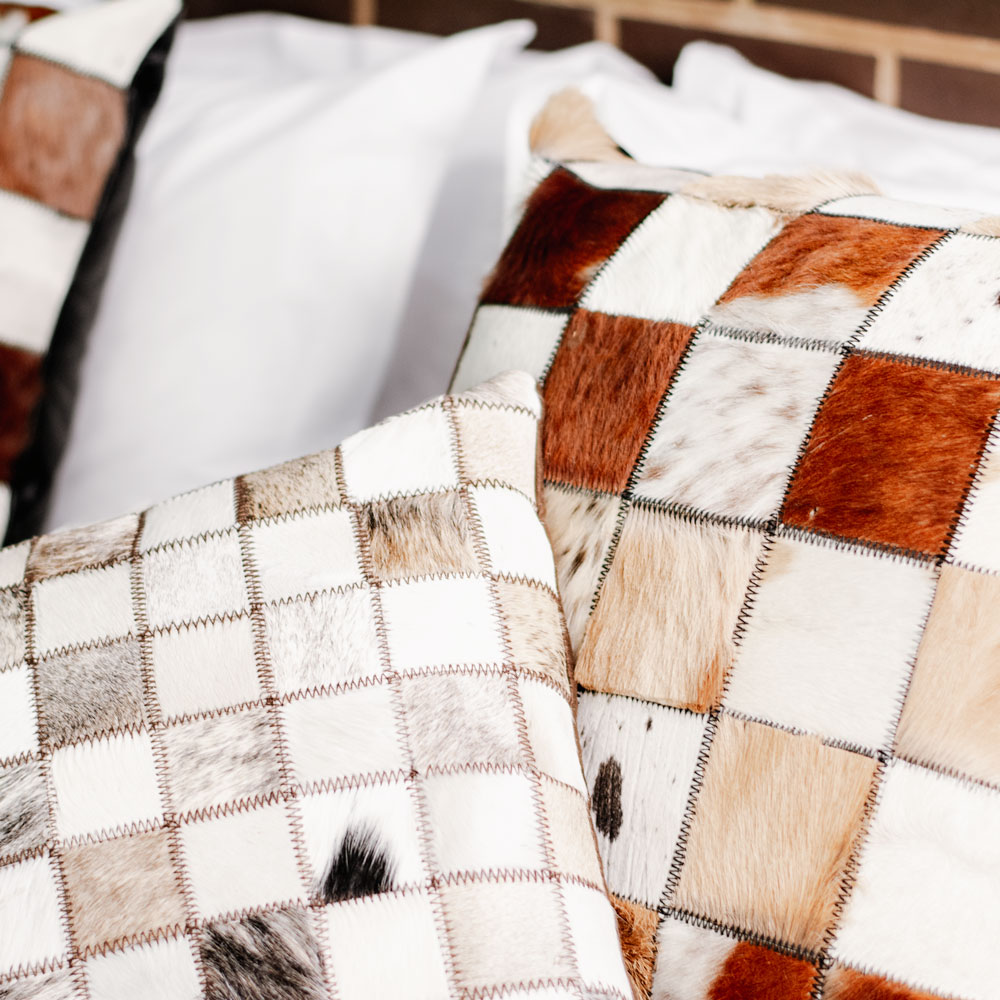
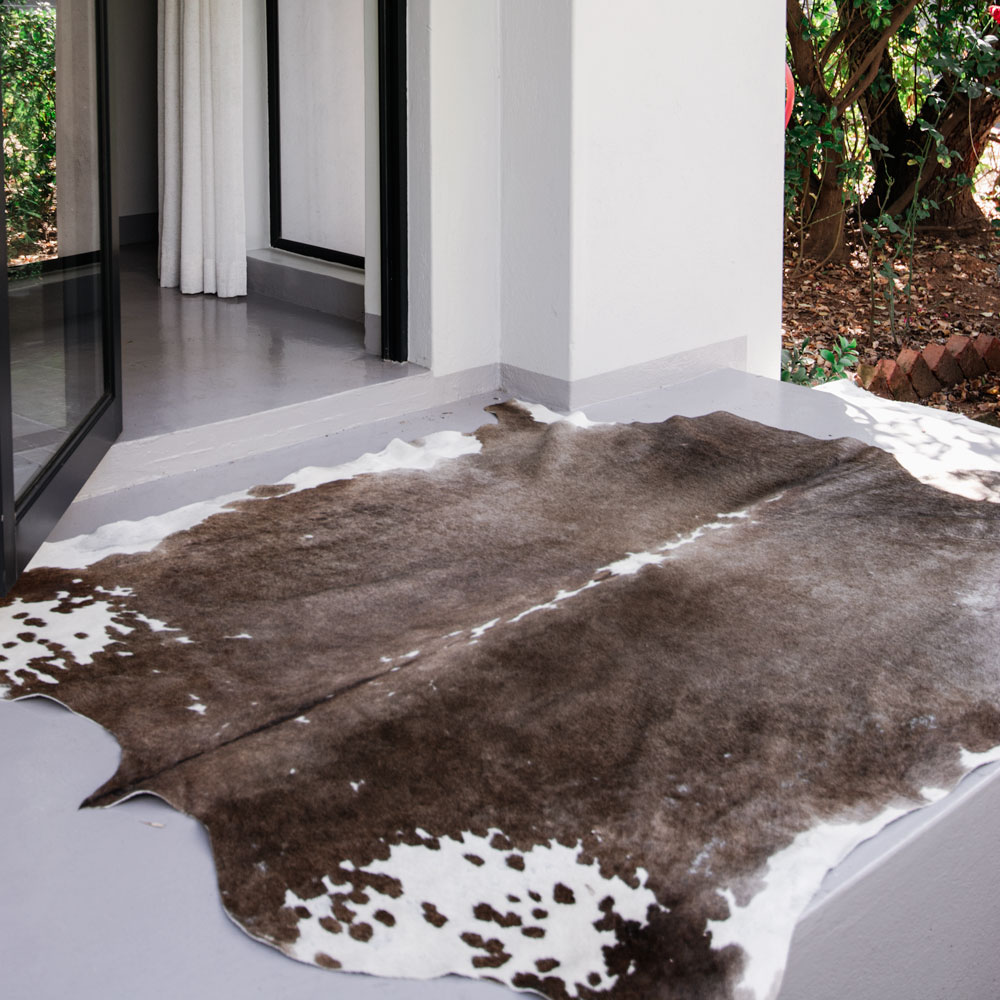
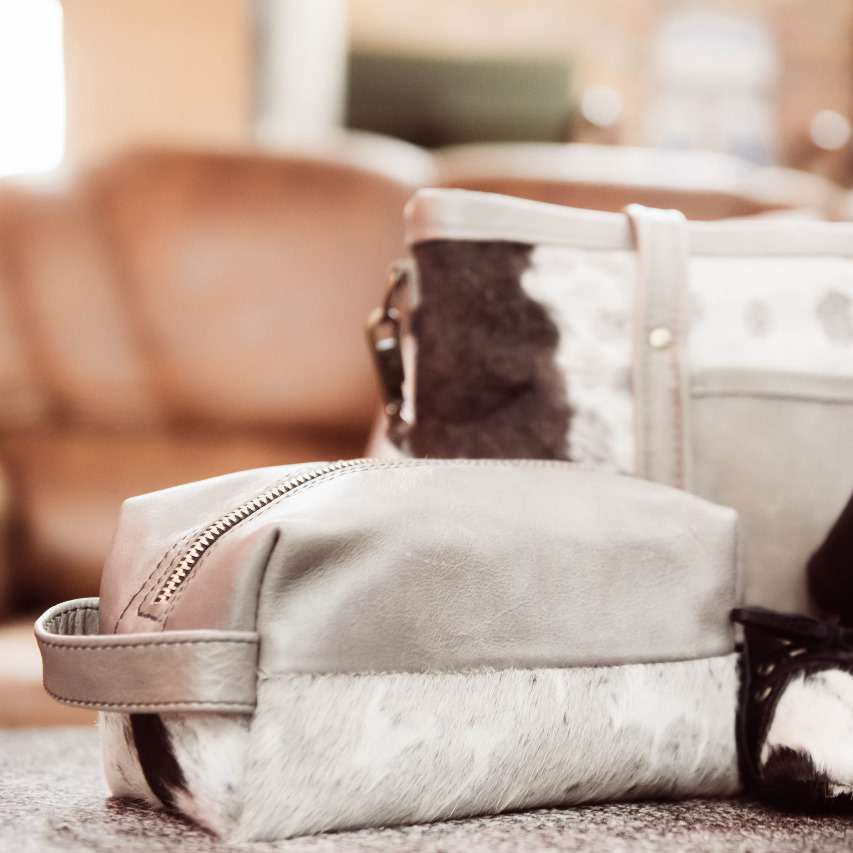
A genuine Nguni wallet uses natural hide or leather rather than a repeated synthetic print. Hair direction, colour depth and markings vary across each panel. Two wallets made to the same pattern may therefore have different black, brown, tan, cream or brindle areas.
That variation is part of the appeal, but it does not replace practical construction. Competitor listings such as the Groundcover Nguni wallet make capacity a central product detail, including card slots, note sections and a coin compartment. Compare function as carefully as appearance.
1. Confirm genuine hide and leather
Look for natural irregularity rather than perfectly repeated markings. Ask which areas are hair-on-hide and which use smooth leather. The edges and backing should feel substantial, and the description should clearly identify the materials rather than using vague language about an inspired print.
- Natural pattern variation from item to item.
- Clear description of hide and leather components.
- Sound edges without loose fibres or lifting layers.
- Consistent stitching around stress points.
- A reputable seller willing to show current options.
2. Count what you actually carry
Empty your current wallet and divide the contents into essential cards, occasional cards, notes, coins and receipts. Do not buy more capacity than you need, because an overfilled wallet becomes uncomfortable and puts pressure on seams. A compact design may be ideal for a front or jacket pocket, while a larger double wallet suits someone who wants more organisation.
| User | Useful format | Priority check |
|---|---|---|
| Minimal card carrier | Compact bifold or slim wallet | Closed thickness and essential slots |
| Cash and card user | Bifold with note section | Note fit and card access |
| Coin carrier | Wallet with secure coin section | Closure strength and added bulk |
| High-capacity organiser | Double or zip wallet | Compartment layout and bag fit |
| Gift buyer | Versatile medium-capacity design | Recipient’s habits and exchange terms |
3. Check the closed dimensions
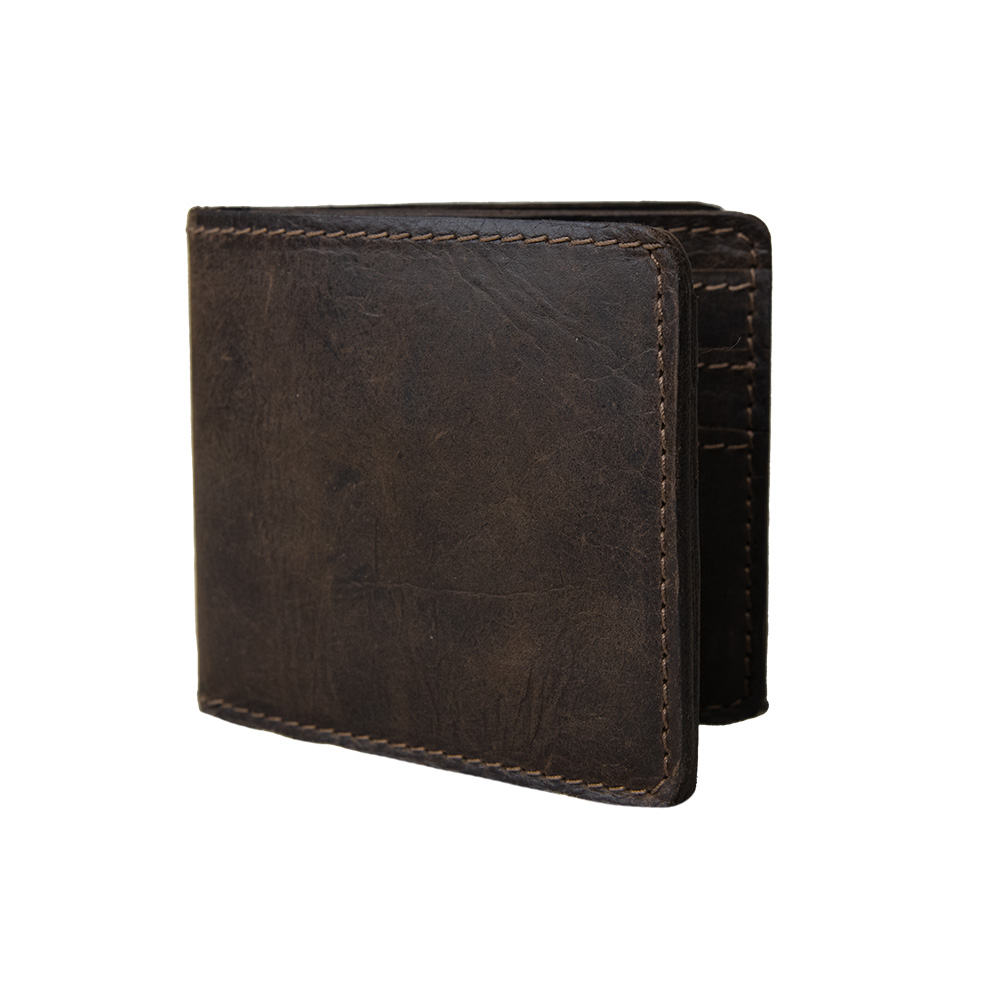
Online photographs rarely communicate scale accurately. Read the width, height and approximate thickness when closed. Compare those dimensions with the current wallet or mark them on paper. The Nguni men’s leather wallet, for example, lists its product dimensions so buyers can judge everyday pocket fit.
Remember that cards, notes and coins increase thickness. If the wallet is already bulky when empty, it will become more difficult to carry once filled.
4. Inspect stitching, folds and closures
Stitching should be even, especially around card slots, corners and closures. Fold lines must flex without cracking or separating. Press studs and zips should operate smoothly and align correctly. On a hair-on-hide panel, the surrounding edge finish should prevent the material from lifting under repeated handling.
A wallet is opened many times each day, so small construction details matter more than decorative packaging. If buying online, ask for close photographs of edges and the interior when these are not shown clearly.
5. Choose a practical Nguni pattern
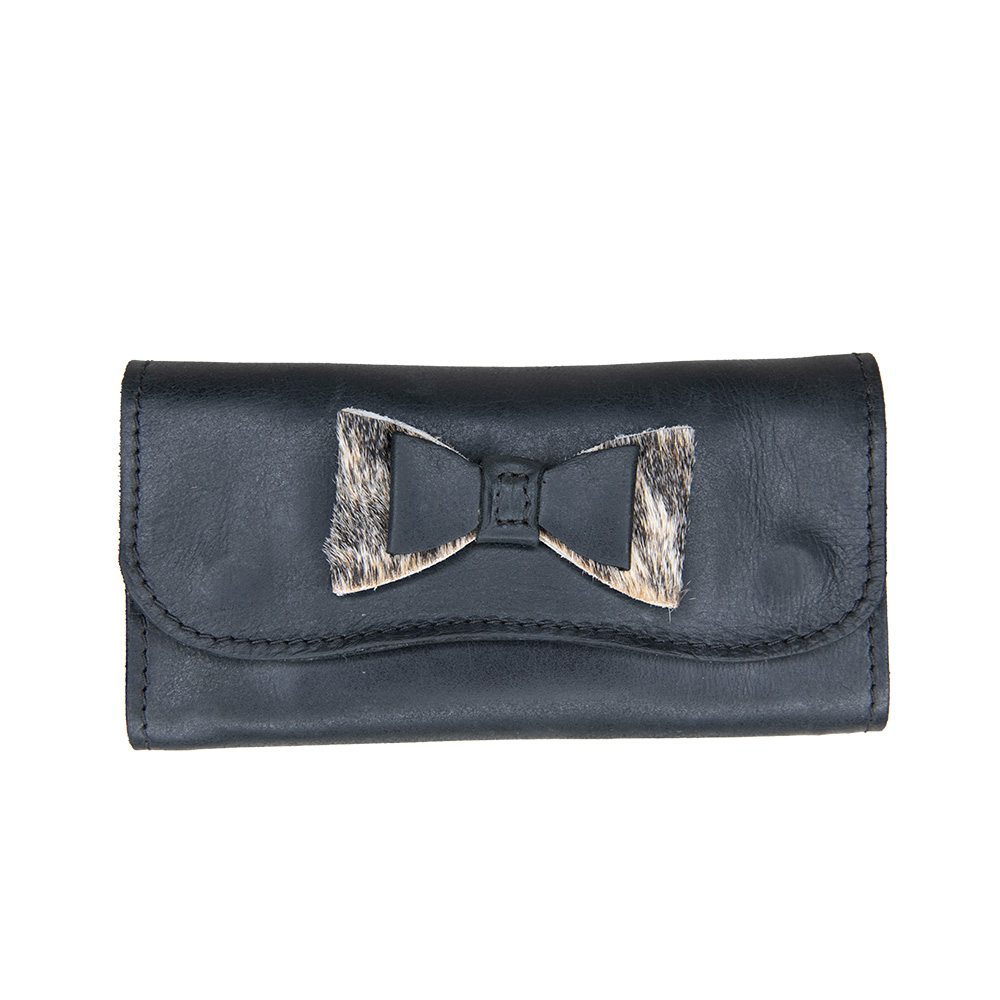
Bold black-and-white Nguni wallets create a graphic statement, while brown, tan and cream patterns feel warmer and more understated. A small wallet panel captures only part of the original hide, so ask for a photograph of the actual item when pattern placement matters.
The natural colour does not need to match every bag or belt. Choose a pattern the owner will enjoy seeing daily. Our guide to Nguni hide colours explains the main black, brown, brindle and tricolour families.
6. Match men’s and ladies wallet formats to use
Labels are less important than fit and function. A compact bifold may suit anyone carrying a small number of cards, while a larger zip or double wallet suits someone who keeps coins, receipts and extra cards together. The Nguni ladies double wallet is designed around added internal capacity, but buyers should still compare its format with the intended handbag.
When buying a gift, look at the recipient’s current wallet style if possible. Choosing a familiar format with a distinctive Nguni pattern is safer than changing both their organisation system and aesthetic at once.
7. Plan care before daily use
Keep the wallet away from soaking water, harsh cleaners and direct heat. Brush hair-on-hide gently in the natural direction, and wipe smooth leather with a clean dry cloth. If the wallet becomes damp, empty it and allow it to dry naturally at room temperature.
- Do not overfill card slots or force thick bundles of notes.
- Remove receipts regularly to reduce pressure on seams.
- Blot moisture rather than rubbing it into the material.
- Keep sharp keys and pens in a separate bag compartment.
- Use only a suitable leather-care product and test discreetly first.
- Store the wallet dry and empty when it will not be used for long periods.
Nguni wallets as South African gifts
A wallet is compact, practical and easy to present, which makes it suitable for birthdays, graduations, Father’s Day, Mother’s Day and client appreciation. Every natural pattern adds individuality. See our wider guide to Nguni leather gifts for bags, footwear and décor ideas.
If the recipient has a strong colour preference, ask for current photographs before ordering. Also confirm delivery timing and exchange conditions, especially when the wallet is needed for a fixed celebration date.
Frequently asked questions
Are all Nguni wallets identical?
No. Genuine hair-on-hide has natural colour and pattern variation, so each wallet panel is individual even when the construction is the same.
How many card slots should a wallet have?
Count the cards used regularly and allow a little spare capacity. Too many empty slots add bulk, while overfilling damages seams and makes cards difficult to access.
Can a Nguni wallet get wet?
Avoid soaking it. Blot accidental moisture, empty the wallet and let it dry naturally away from direct heat or strong sunlight.
How do I choose a wallet as a gift?
Match the recipient’s current format, capacity and colour preference. Confirm dimensions, current pattern options, delivery and exchange terms.
How can I tell whether the hide is genuine?
Look for natural irregularity in colour and texture, clear material information, quality edge finishing and a reputable seller that can show the actual item.
Choose function first, then the one-of-a-kind pattern
The best Nguni wallets combine useful capacity, comfortable dimensions and dependable construction with an authentic natural pattern. Count what you carry, compare formats, inspect the details and ask to see current colour options. That approach produces a wallet that is distinctively South African and genuinely useful every day.